
28 Brown to Blonde Balayage Ideas That Grow Out Beautifully

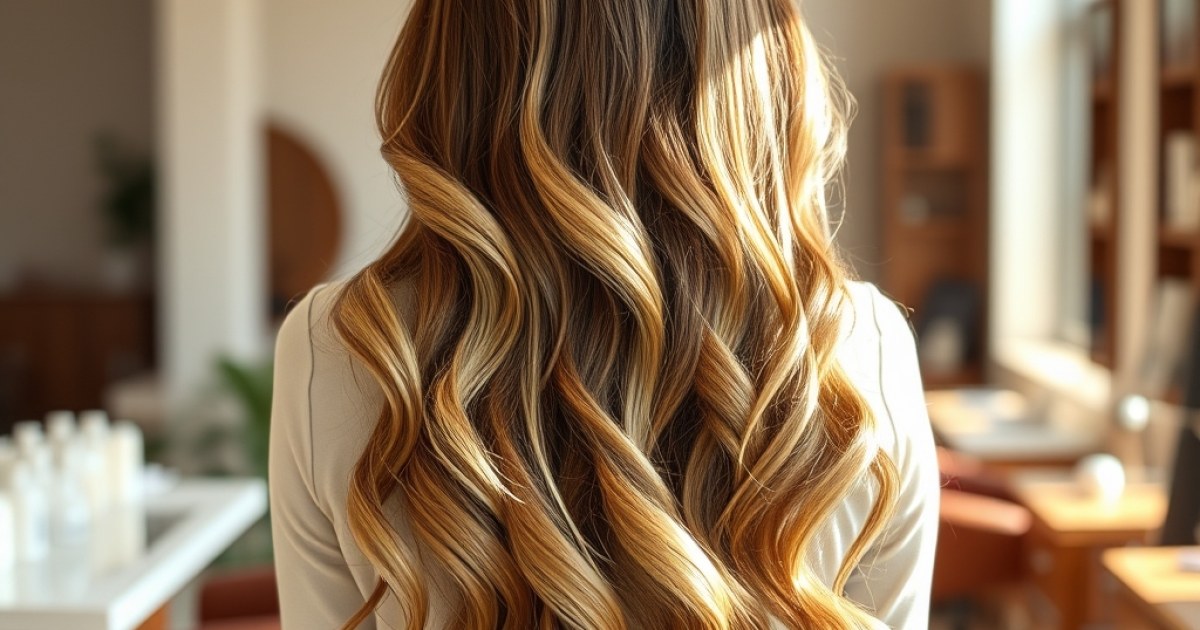
The secret to a brown-to-blonde balayage that still looks good in three months isn’t the brightness of the blonde — it’s how the root was painted. Blended, hand-painted regrowth plus a smart tone choice means no harsh line, no six-week panic, and no fried ends. That’s the whole philosophy behind this list.
These 28 ideas cover the full range: dark Indian hair lifted to caramel, mousy brown nudged toward champagne, icy blonde without going grey, and fixes for old highlights you’re trying to soften. Every entry names the technique, the shade, the upkeep, and who it actually suits.
You’ll also find real talk on timing, what to ask your stylist for, and the swaps that save your hair when bleach is involved. Read it as inspiration, then screenshot the two or three that look like you — your stylist will thank you.
Quick Picks: Start Here
- Honey Melt for Grown-Out Roots — best if you’re 3+ months past your last colour and want the regrowth to disappear.
- Face-Frame Money Piece Only — best for a low-commitment first step into blonde.
- Balayage on Dark Indian Hair — best for very dark bases that need lifting in stages.
- The Staged Three-Appointment Plan — best if you want the full transformation without wrecking your hair in one session.
1. Honey Melt for Grown-Out Roots
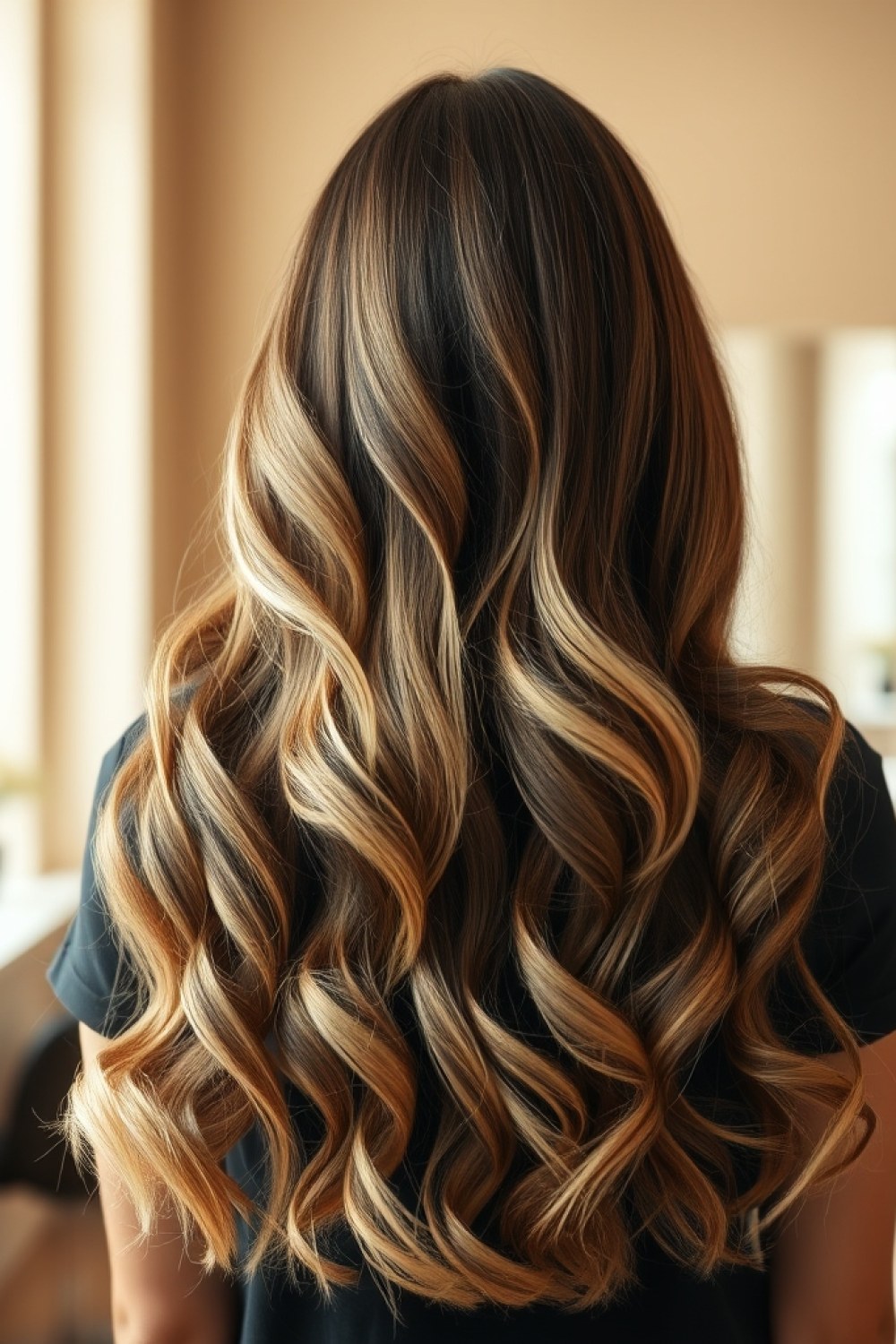
Warm honey blonde painted from mid-lengths down, with a shadow root left two to three shades off your natural brown. Because there’s no hard line at the root, regrowth just reads as more shadow root — you can stretch salon visits to 12 weeks or more.
How to Ask for It
- Request a “lived-in” placement with the lightest pieces kept around the face only.
- Ask them to keep the shadow root 2–3 shades off your natural brown, not darker.
- Book a gloss at week 6–8 instead of a full foil to keep it fresh.
2. Caramel to Champagne Gradient
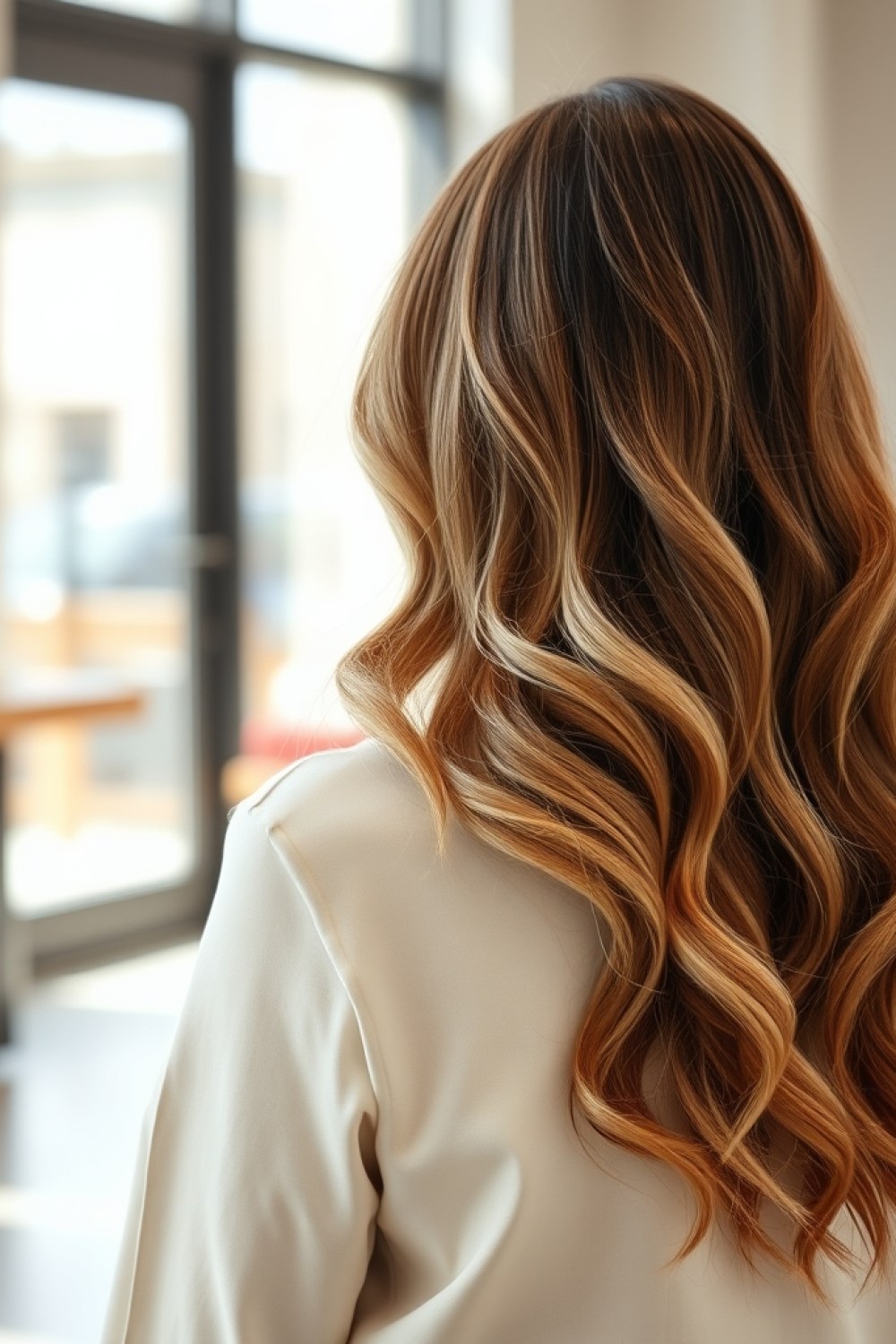
Start at caramel through the root area and graduate to champagne at the ends. This two-tone ladder hides the transition as your brown grows in, so regrowth looks intentional rather than neglected.
How to Get It Right
- Keep the champagne cool but not ashy — pure ash can look grey against warm skin.
- Ask for the caramel band to sit roughly at your jawline or collarbone.
- Ask your stylist to blend the two tones through a middle transition zone, not a hard stop.
3. Chunky Ribbon Highlights
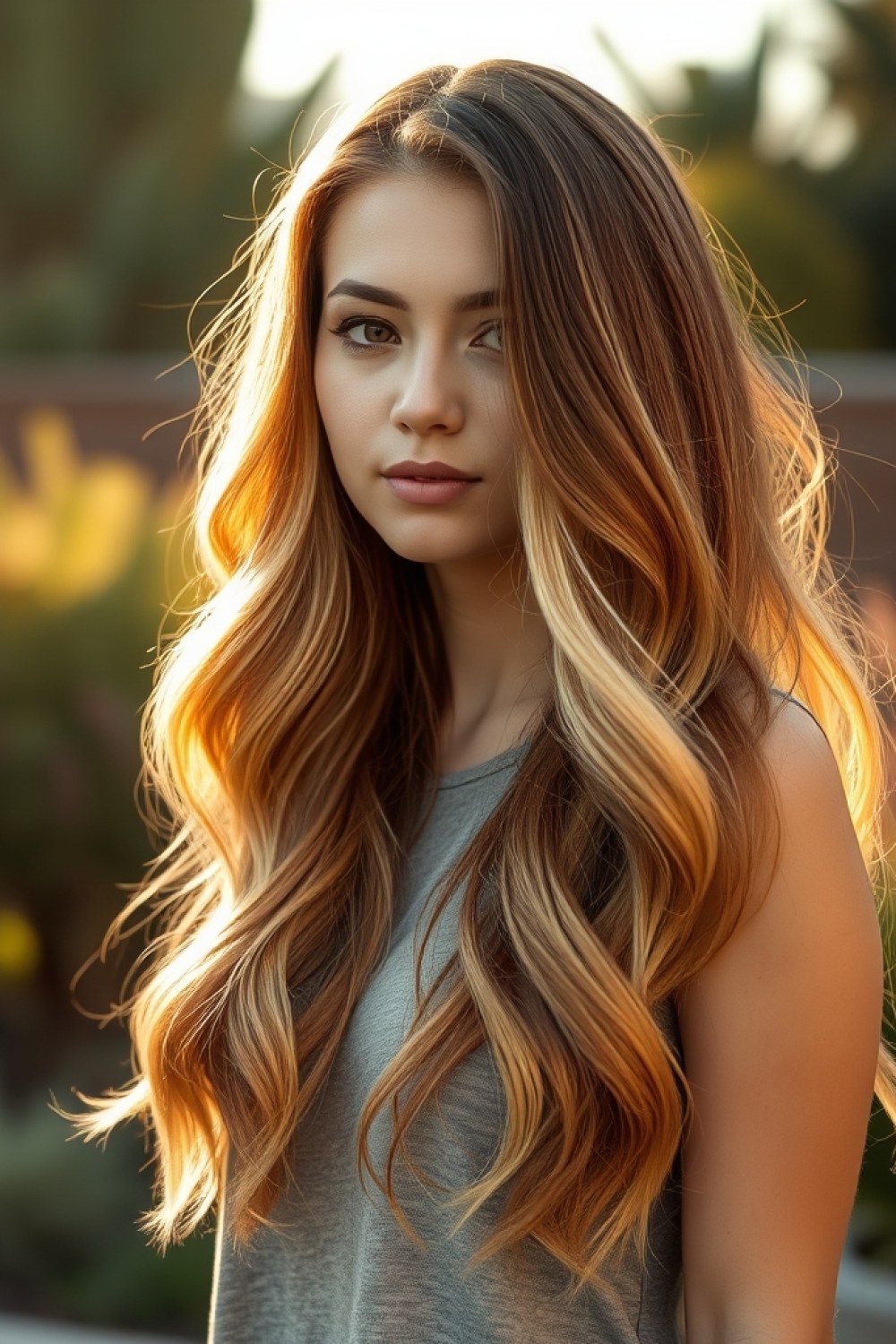
Wider, hand-painted ribbons instead of micro-fine weaves. Fewer, bigger pieces mean less frequent foil work and a bolder grow-out — regrowth sits inside the ribbon rather than beside it.
How to Recreate It
- Ask for ribbons roughly 1–2 inches wide, painted freehand rather than woven in foil.
- On medium to thick hair, ribbons can run through the whole head.
- On fine hair, ask for the ribbons placed on the surface layer only to avoid losing volume.
4. Face-Frame Money Piece Only
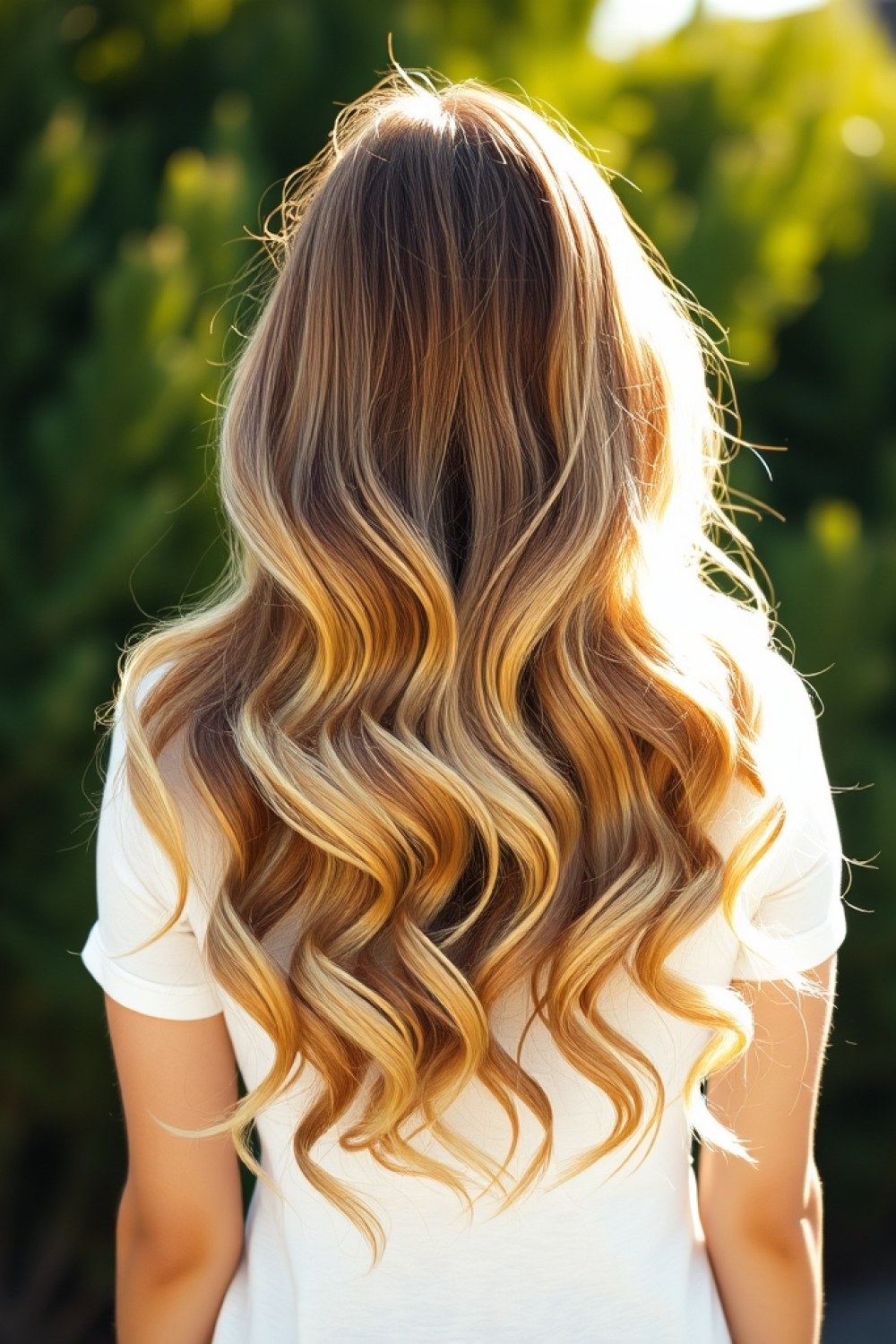
A bright blonde slice on each side of the part with the rest of the hair left brown or softly melted. It’s the cheapest, gentlest way to test blonde — and the root blend means no visible regrowth for months.
How to Style It
- Keep the piece no thicker than 1–2 cm at the root, tapering as it falls.
- Ask for a soft melt where the blonde meets your brown, not a blunt edge.
- Refresh with a purple shampoo once a week to stop it going yellow.
5. Mushroom Brown to Ash Blonde
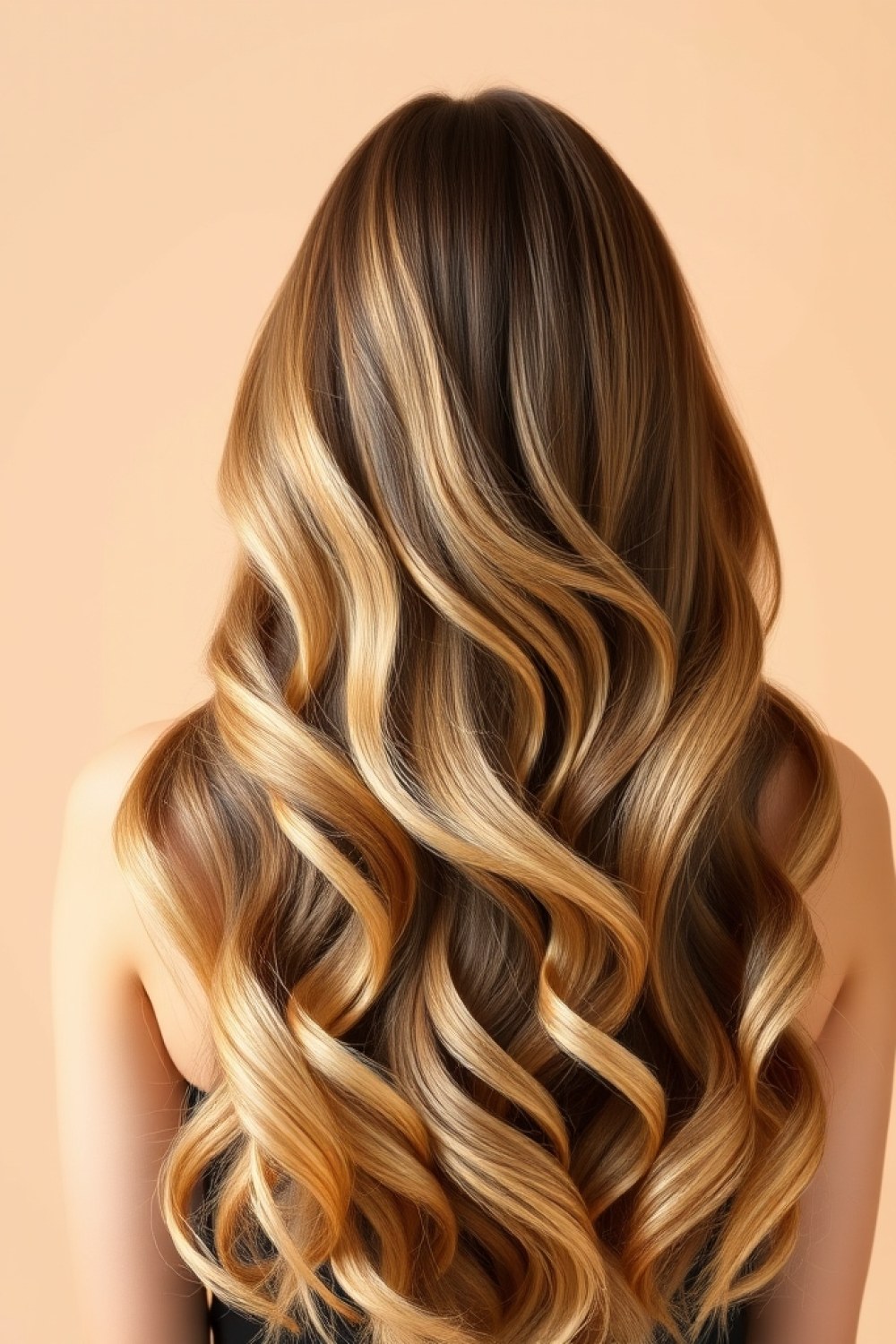
A cool-toned transition for anyone who hates orange. Your stylist pre-lightens first, then tones with an ash or pearl toner to kill the warmth before it shows. Expect a slightly higher-maintenance tone than warm blondes.
How to Maintain It
- Use a purple shampoo once a week — no more, or it can tip the tone grey.
- Ask for a pearl or ash toner, not a straight grey, at your first appointment.
- Book a toner top-up every 6–8 weeks to keep brassiness in check.
6. Bronde Sombré
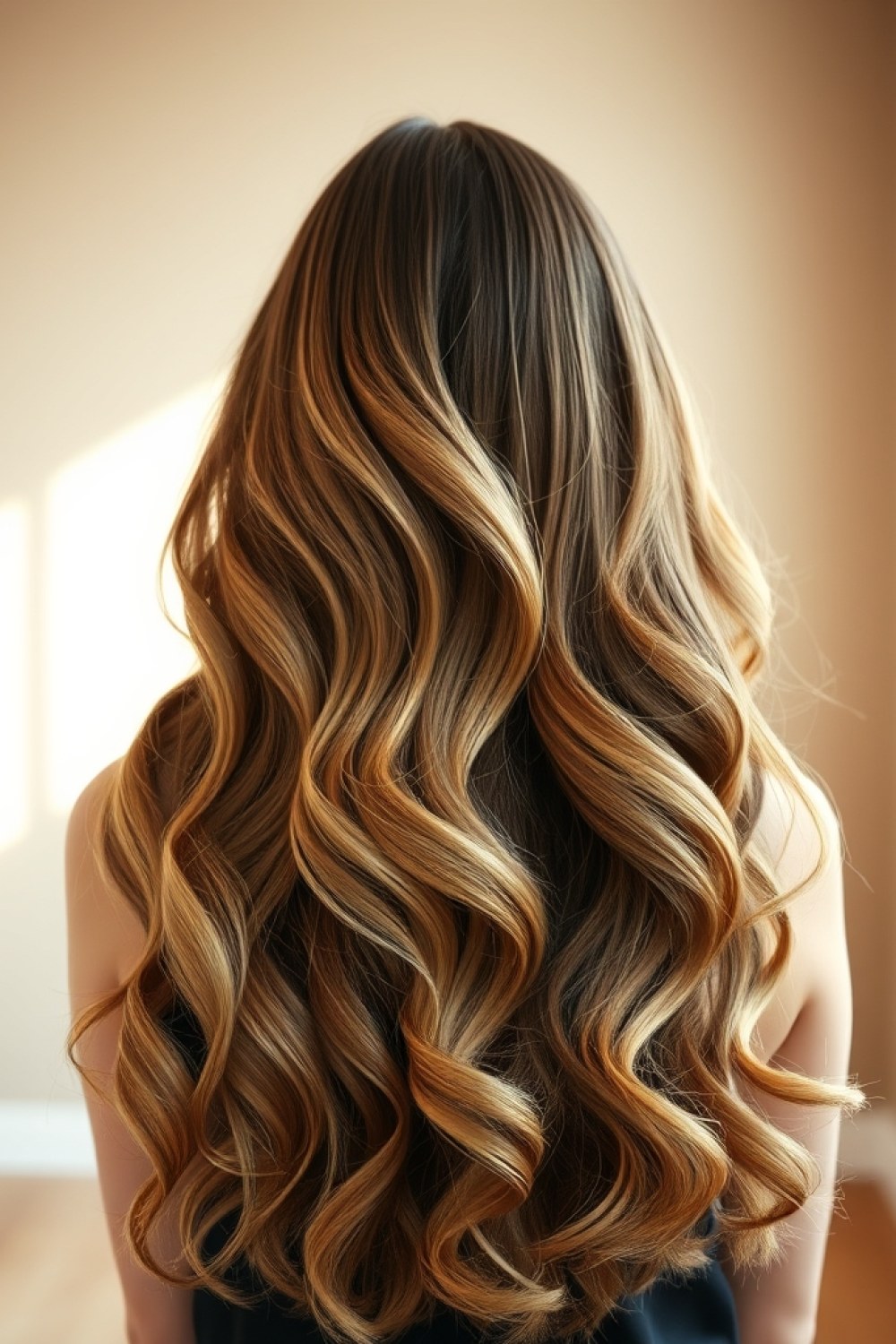
A softer take on ombré where the blonde never quite reaches the ends — it fades into a darker “sombré” finish. This is the most forgiving grow-out of all because the tips stay brown.
How to Ask for It
- Request the blonde to stop around 2–3 inches above the ends.
- Ask for a soft melt between the bronde mid-lengths and the brown tips.
- Keep the tone warm-neutral so regrowth blends without a toner every visit.
7. Golden Hour Balayage
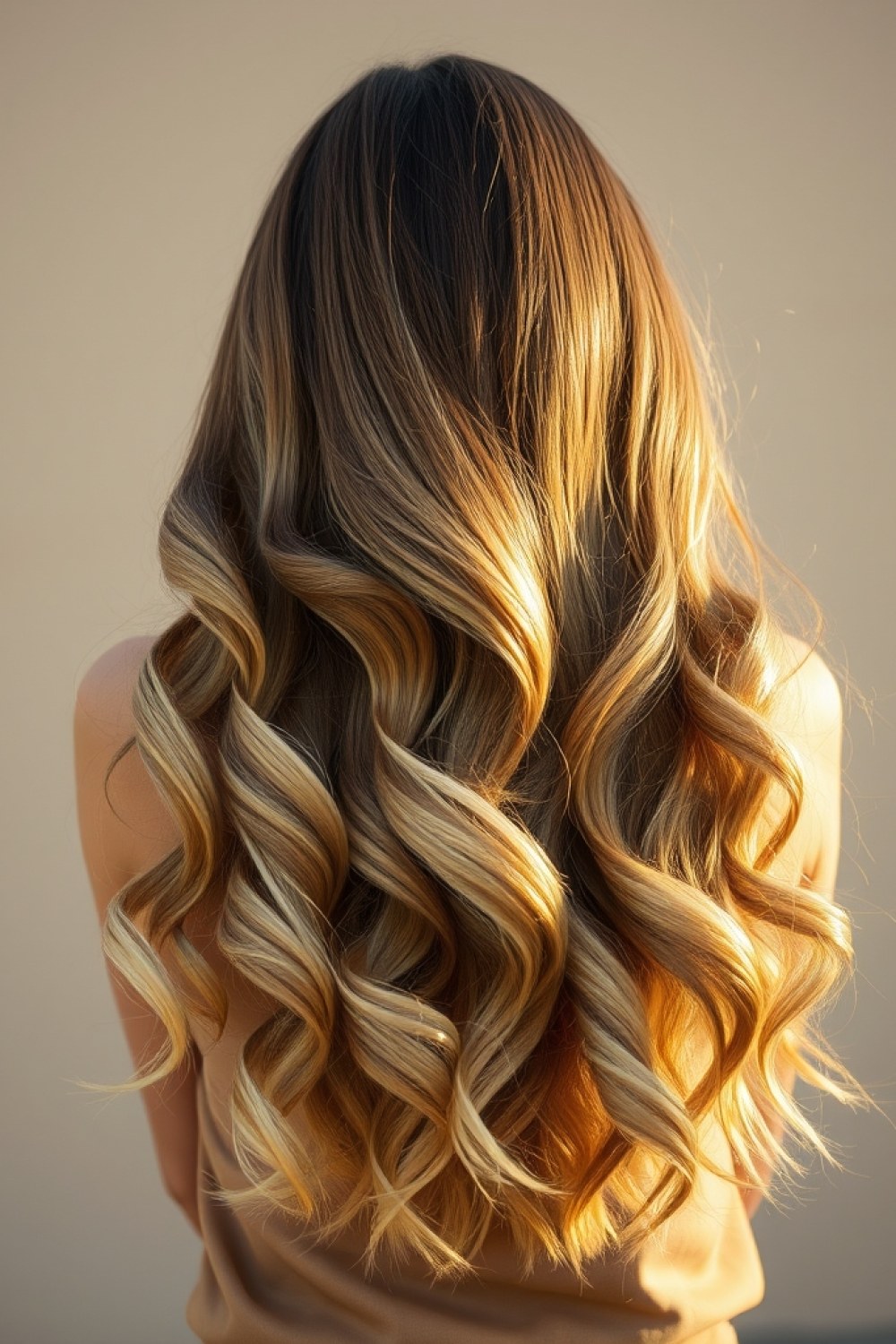
Warm buttery gold, painted in a V-shape around the face so it catches light like late-afternoon sun. It flatters olive and golden undertones beautifully.
Skip it if your skin is very pink — gold can pull sallow against cool complexions.
How to Ask for It
- Request a buttery gold, not yellow — say “warm honey, no brass” to your stylist.
- Point to your cheekbones and jawline: that’s where the V-shaped gold should sit.
- Book a gloss refresh every 8–10 weeks to keep the gold clean.
8. Root Smudge That Never Looks Grown Out
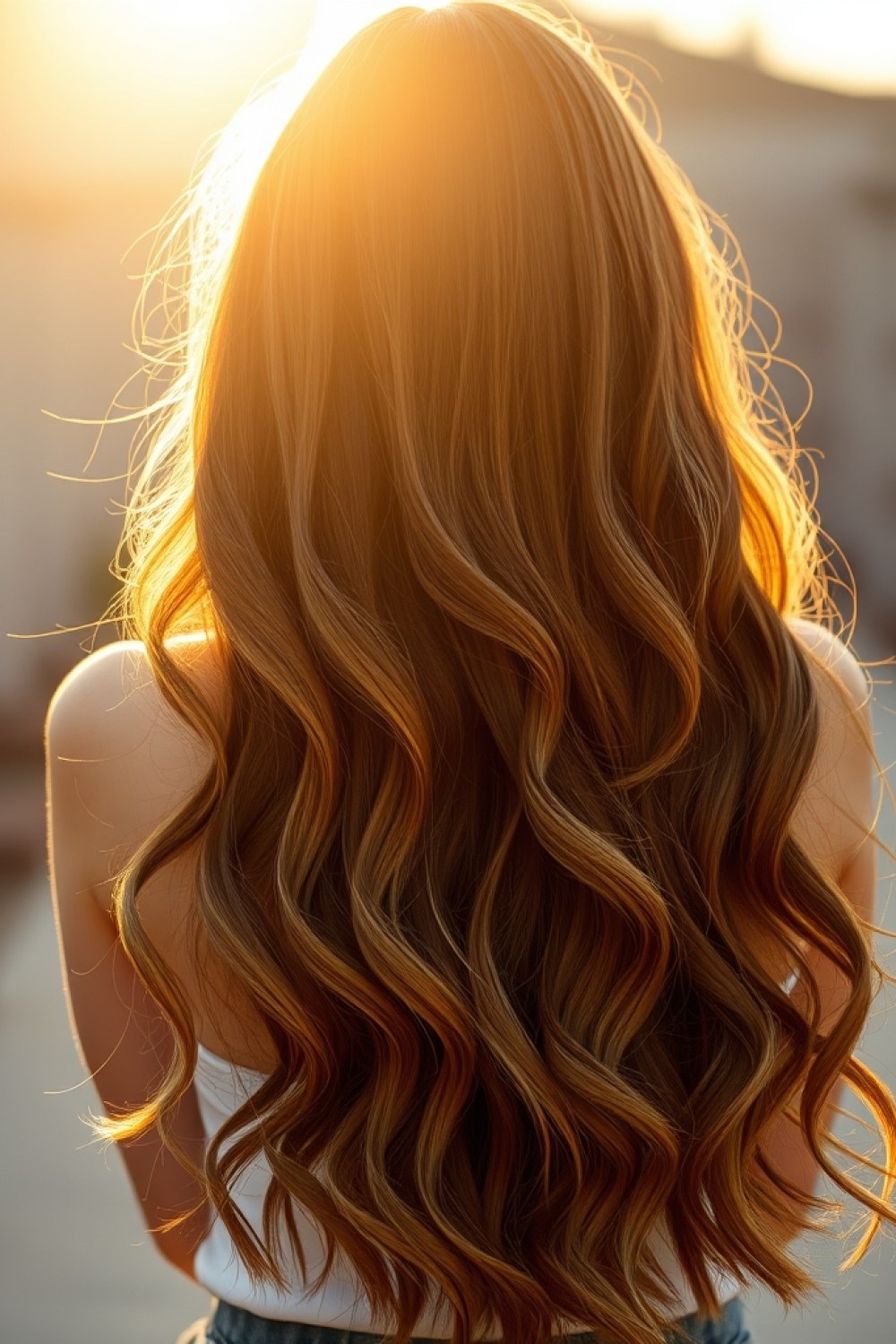
This is the technique every low-maintenance blonde should know by name. Your stylist melts a brown demi-permanent shade over the foil lines, softening them into a “smudge” at the root.
It’s the single biggest reason balayage grows out well — request it specifically if it isn’t offered.
How to Request the Smudge
- Ask for a root smudge or “shadow root” in a shade one level darker than your base.
- Confirm it’s a demi-permanent — it fades gradually, so no hard regrowth line.
- Say you want the smudge to blend, not sit as a solid block.
- Ask them to drag it down 2–3 inches for a softer transition.
9. Baby-Fine Babylights
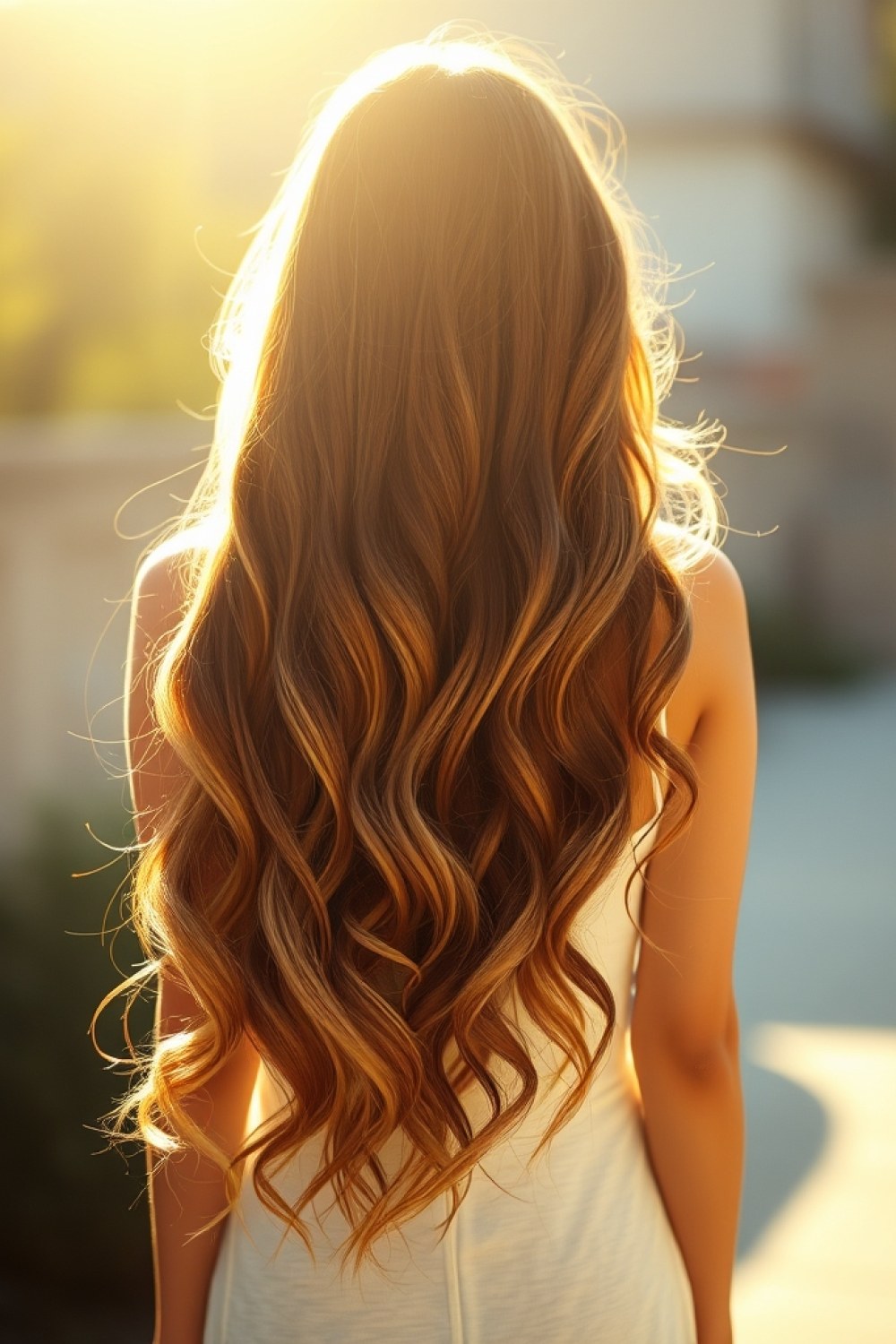
Very fine, densely woven highlights that give a sunlit all-over lift rather than streaks. Ideal if you want to look blonde everywhere without going full bleach.
The trade-off is honest: more foils, a longer appointment and a higher price.
How to Recreate It
- Ask for babylights, not standard highlights — the weaving is much finer.
- Request a consistent level throughout for an all-over lit look.
- Book a full appointment — expect 3–4 hours, not a lunch break.
- At home, alternate a purple and a blue shampoo weekly to keep it fresh.
10. Deep Chocolate with Platinum Slices
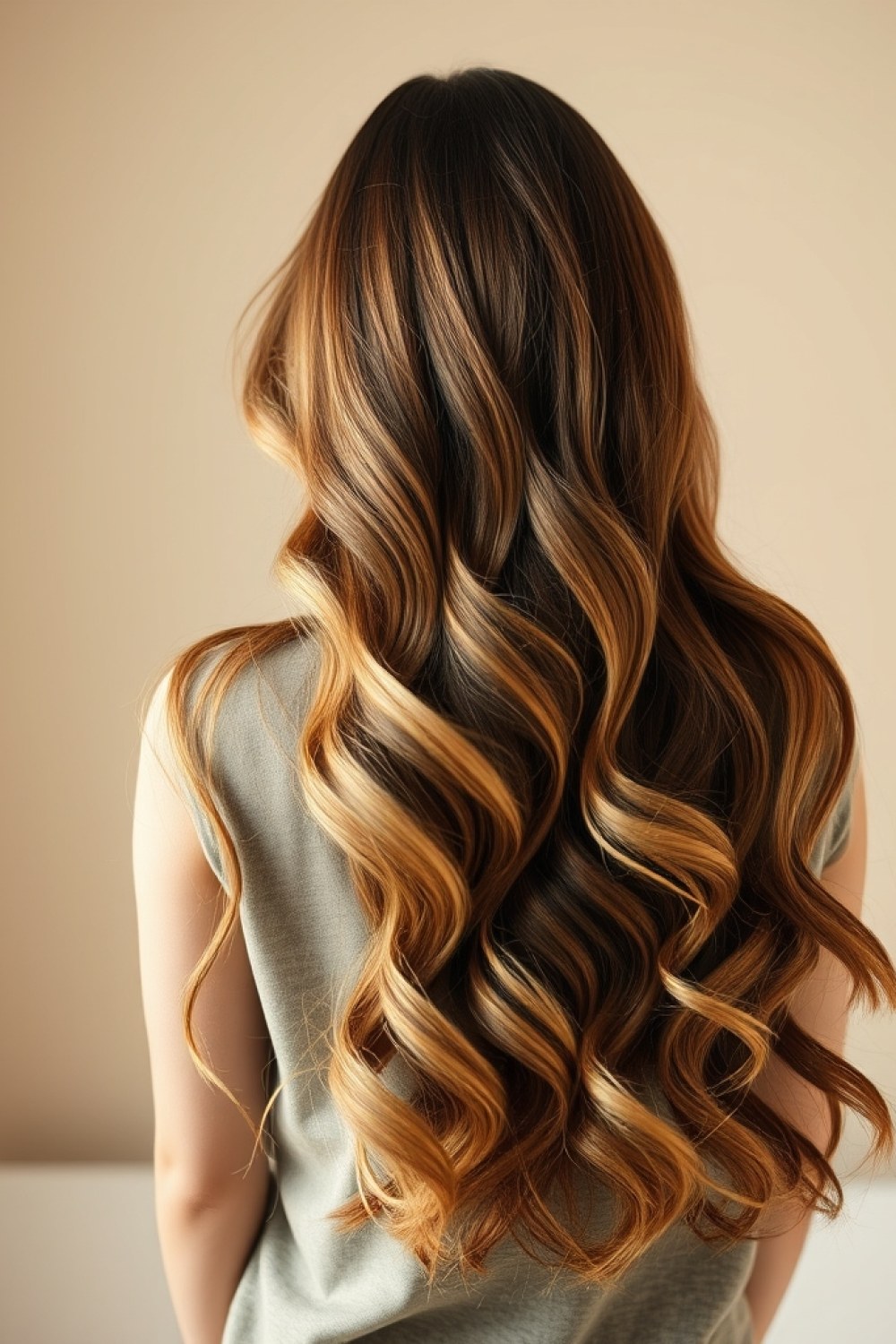
High contrast for the bold: a dark brown base with a few icy platinum ribbons woven through. Dramatic, gorgeous and worth every photo.
This is the one idea here that needs real upkeep — monthly toning, plus bond-building treatments. Only attempt it on healthy hair.
How to Make It Last
- Ask for one or two platinum slices, not a full head — the contrast is the point.
- Insist on Olaplex or K18 mixed into the lightener.
- Book a toner refresh every 4 weeks to stop the platinum going yellow.
- Trim every 6–8 weeks to catch the fragile ends.
11. Toasted Coconut Blonde
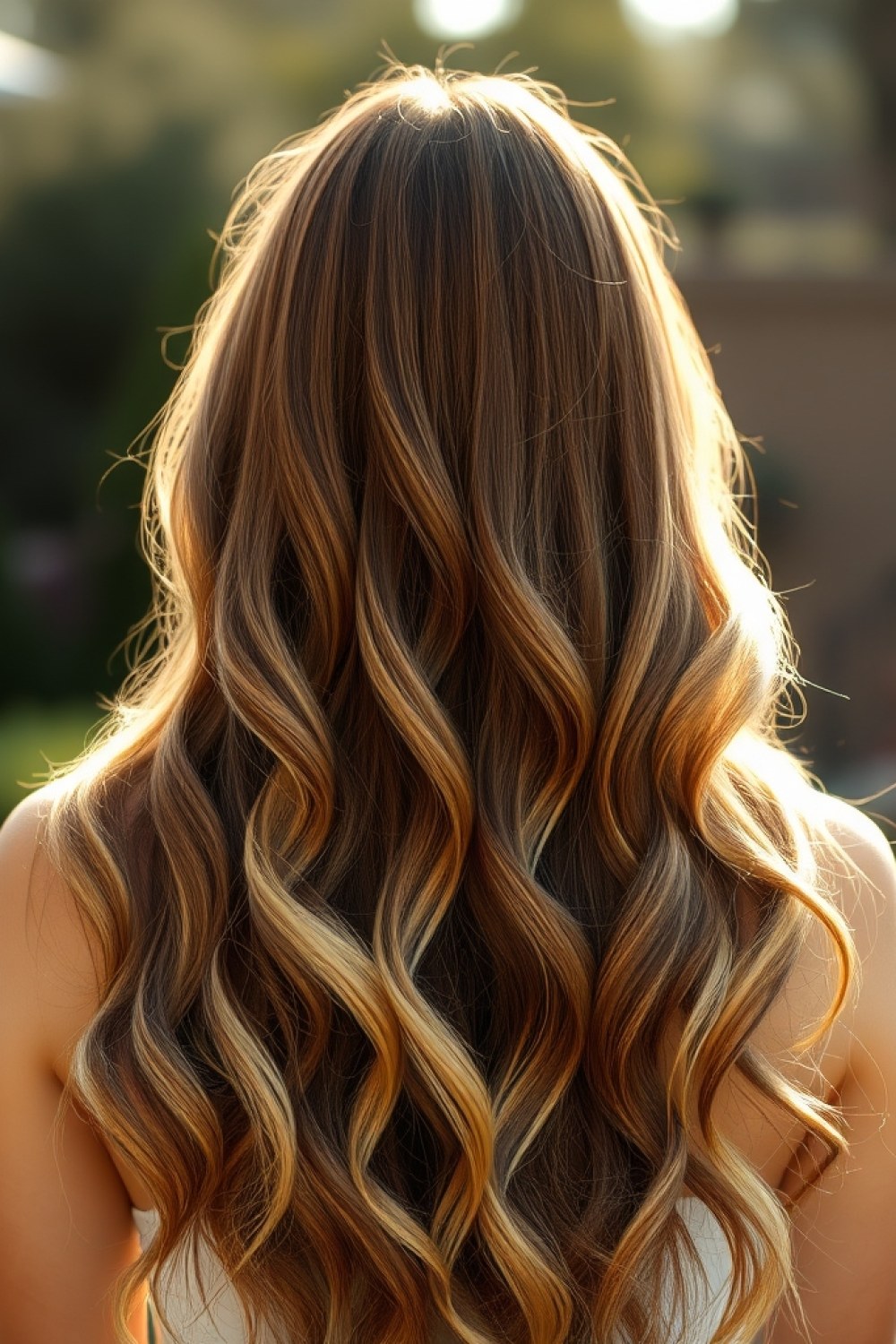
A neutral beige blonde sitting between warm and cool, so it suits almost everyone. It’s the safest first-blonde tone — and it hides brassiness better than ash.
Tone with a beige or natural toner, not a violet-heavy one that can leave it greyish.
How to Get the Shade
- Ask for a beige or natural toner — skip the ash-heavy formulas.
- Show a photo of toasted coconut or beige-blonde hair, not icy platinum.
- Maintain with a gentle purple shampoo twice a month, no more.
12. Balayage on Dark Indian Hair
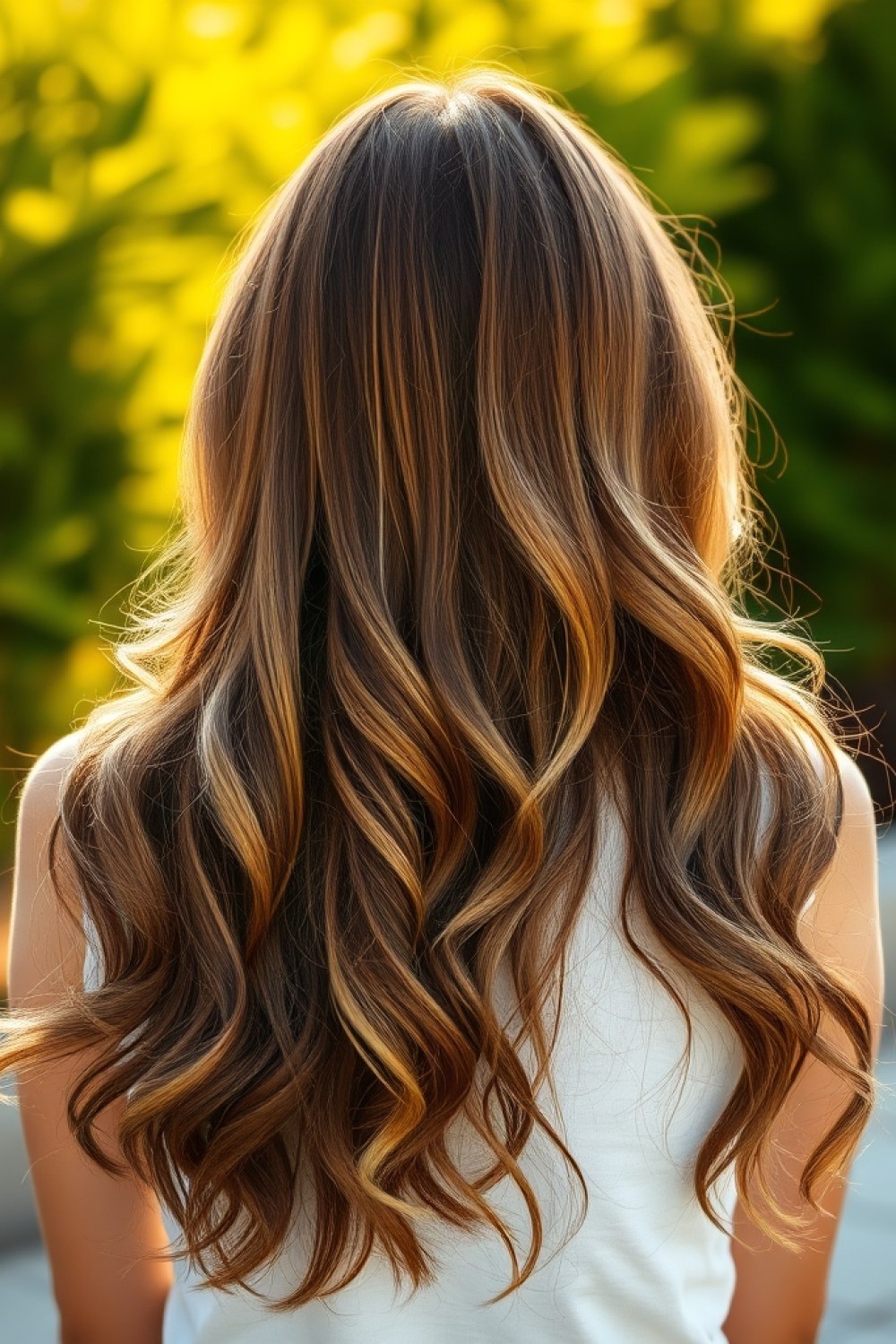
Deep brown and black hair needs a slower, staged lift to protect the cuticle. Usually two sessions, not one.
Olaplex or K18 in the bleach is non-negotiable here.
How to Plan the Sessions
- Book a consultation first — expect two sessions, 6–8 weeks apart.
- Ask for maximum lightness at the mid-lengths, kept off the root area.
- Confirm Olaplex or K18 goes into every round of lightener.
- Stretch to 12-week touch-ups — the smudged root makes it possible.
13. Peekaboo Blonde Underlayer
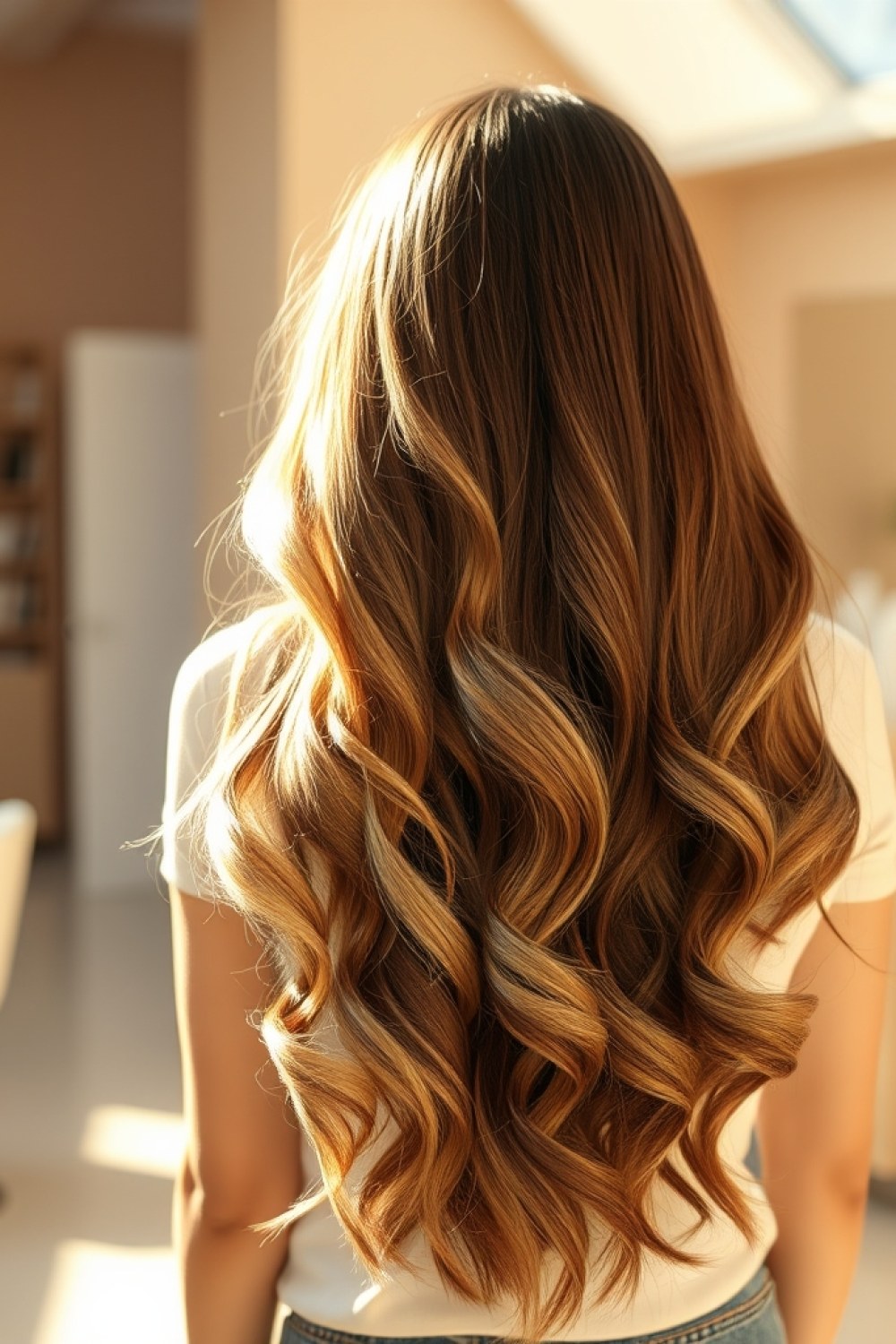
Blonde is painted only on the bottom layer of hair, so it stays hidden when your hair is down and flashes when you move or tie it up. There is zero visible regrowth from above.
It is a low-commitment way to test blonde, and a ponytail becomes the surprise reveal.
How to Ask for It
- Request a horizontal section from ear to ear, with the top layer left untouched.
- Ask for two to three shades lighter than your base, not full platinum.
- Keep the underlayer subtle at the front so it doesn’t peek through when hair is down.
14. Soft Caramel Money Piece with Waves
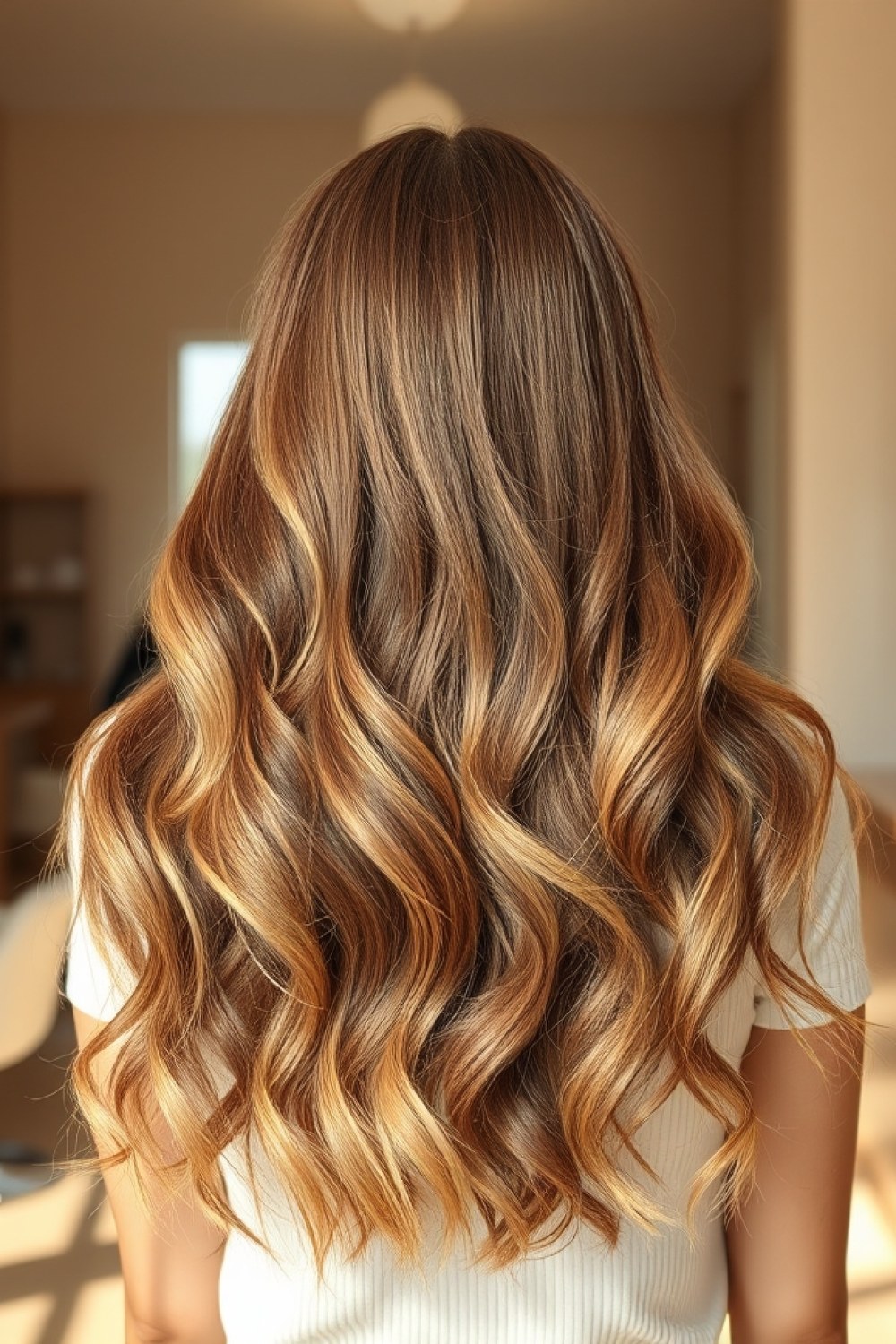
A face-framing money piece in soft caramel, styled in waves, reads brighter without adding more bleach elsewhere. The wave pattern catches light and makes the blonde look lighter than it is.
A 32mm wand or a heatless curl set both work — the set gives softer, more natural bends.
How to Style It
- Spray a light salt spray through damp mid-lengths and ends.
- Wrap 2-inch sections away from the face, holding each for 8–10 seconds.
- Let curls cool completely, then shake out with fingers only — no brushing.
- Finish with a touch of texture cream at the roots for lift.
15. Balayage for Fine Brown Hair
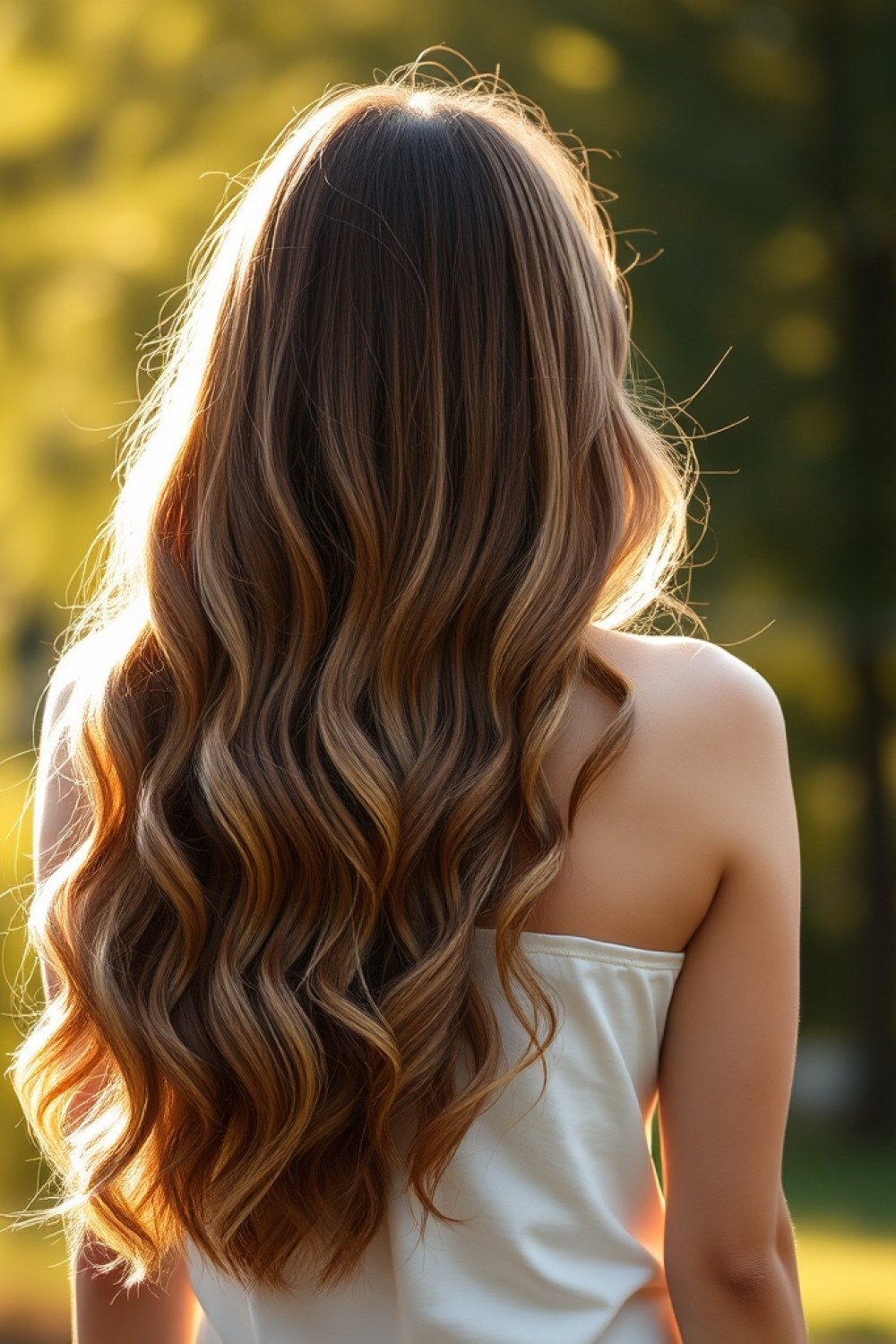
Fine hair shows every patch of colour, so contrast is the enemy. Ask for babylights rather than classic balayage — they are finer, more evenly placed, and blend better.
Keep it to two tones maximum. More than that creates a stripey, see-through look. A root smudge is essential for the illusion of density.
How to Get the Blend Right
- Ask for babylights woven through the mid-lengths, not chunky balayage sweeps.
- Cap contrast at two levels lighter than your base.
- Request a root smudge one shade off your natural colour.
- Book a gloss every 8–10 weeks instead of a full colour service.
16. Reverse Balayage to Soften Old Blonde
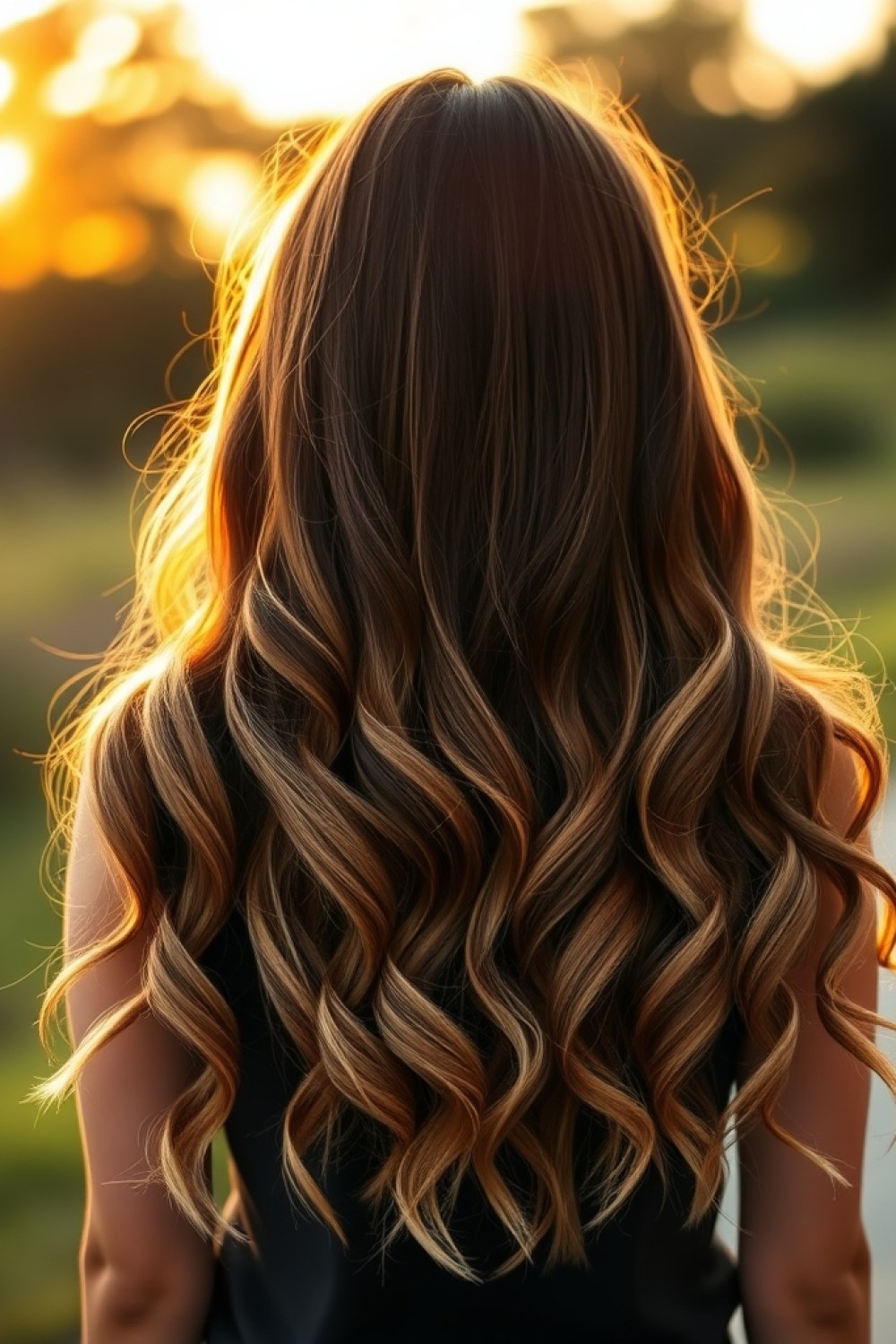
If you are already blonde and want it more natural, reverse balayage paints brown back through the roots and mid-lengths. It cuts maintenance dramatically and the hair looks instantly healthier.
It is a smart reset before an event or a long trip when you won’t see your colourist for months.
How to Plan the Reset
- Bring photos of the depth you want, not just “darker.”
- Ask for a lowlight formula two shades lighter than your natural brown so it doesn’t go flat.
- Keep the ends blonde for a soft gradient.
- Finish with a gloss to seal shine and tone any leftover brass.
17. Strawberry Honey Blend
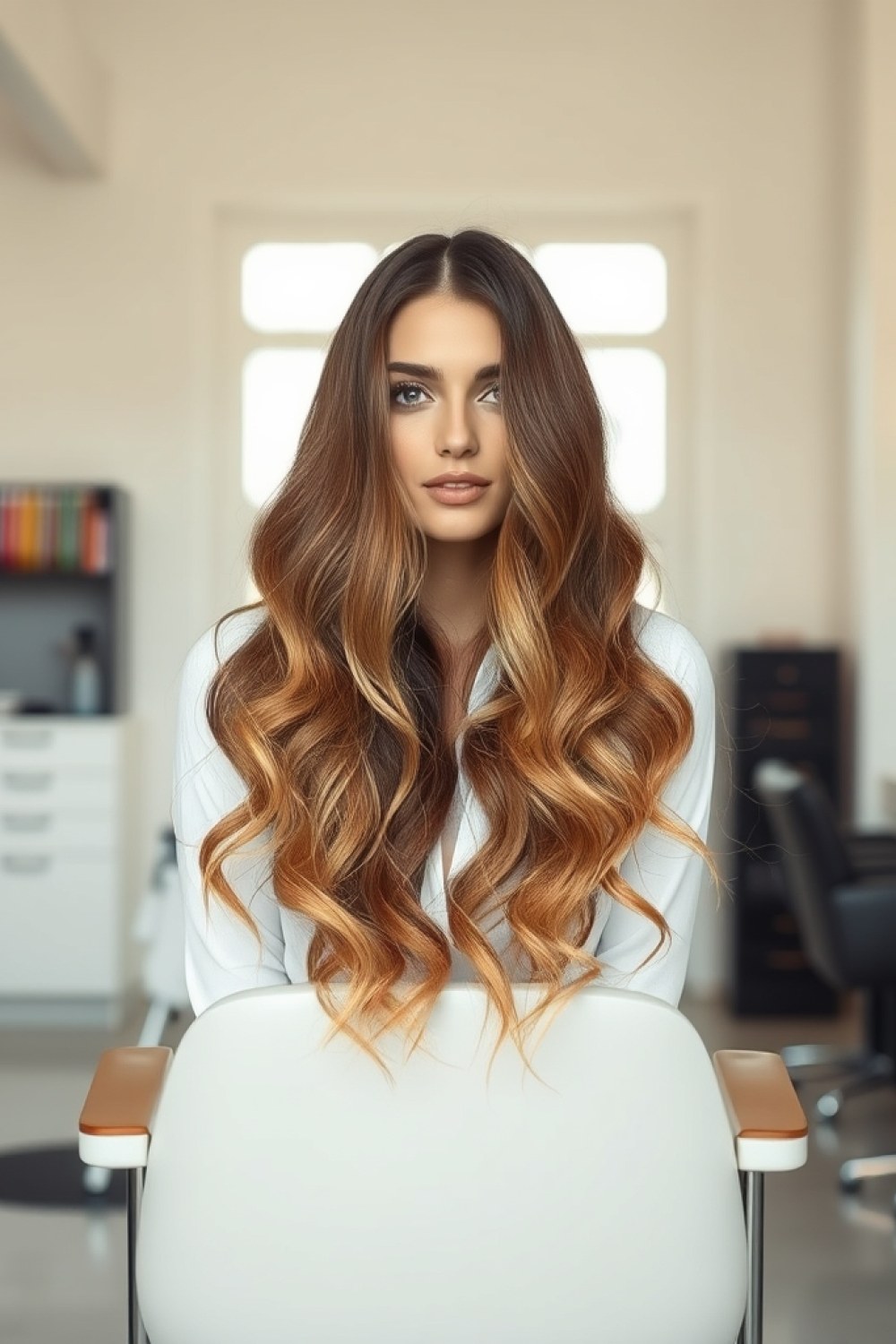
A whisper of copper runs through honey blonde for brown hair with red undertones. It looks warm and expensive, but copper fades fastest of any tone.
Plan on a toner refresh around week six to keep the strawberry from turning dull.
How to Maintain It
- Ask for a honey blonde base with a copper toner, not a copper dye.
- Wash with cool water and a colour-safe shampoo twice a week maximum.
- Use a copper-depositing mask every second wash.
- Book a toner refresh at week six before the fade turns brassy.
18. Balayage with a Shadow Root for Thin Edges
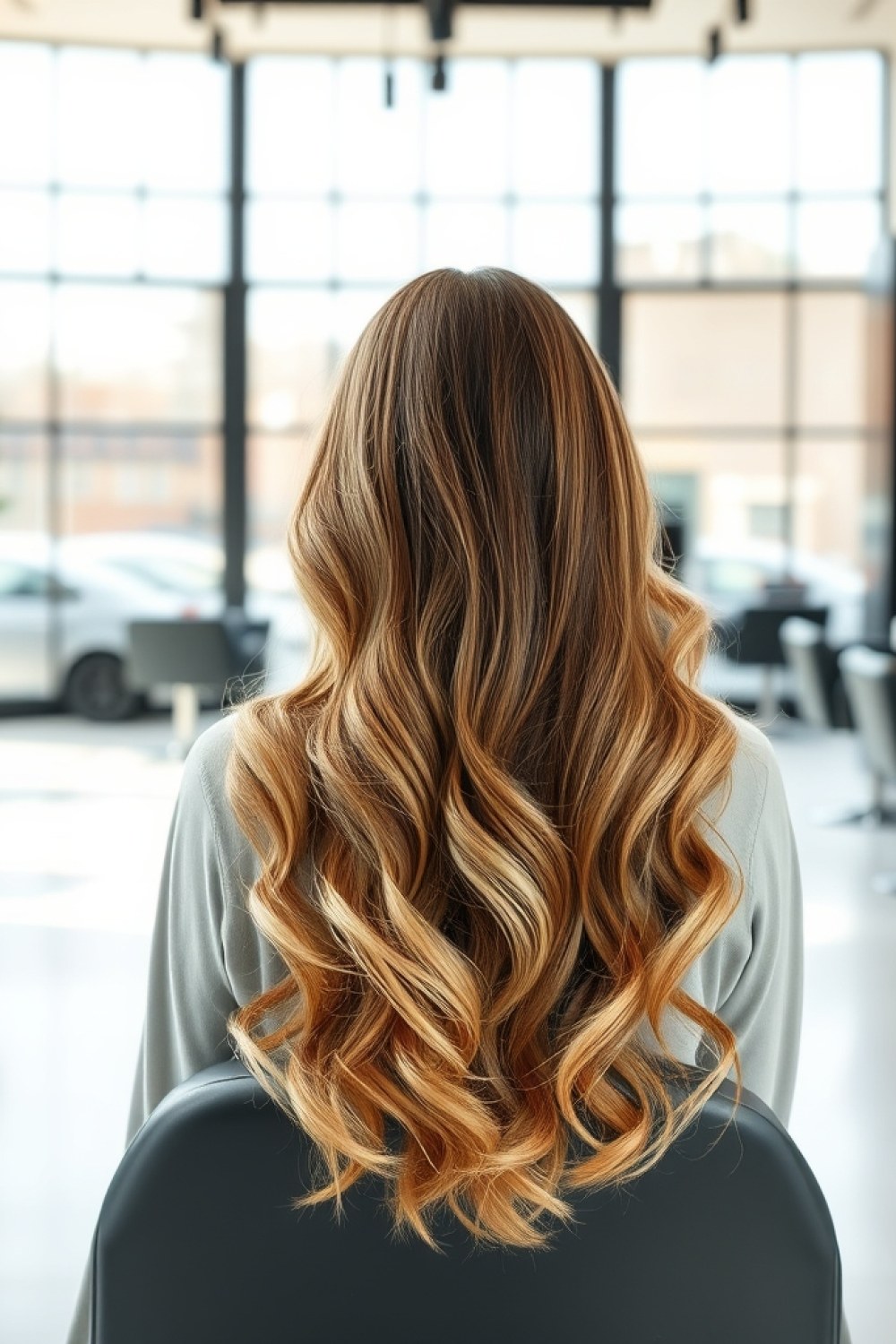
If your hairline is fine or you have a cowlick, a darker shadow root disguises sparse edges and gives the illusion of thickness. Ask your stylist to keep the root shade closest to your natural colour.
The transition should be soft and stretched, never a hard line at the roots.
How to Brief Your Stylist
- Ask for a shadow root matched to your natural base, not darker.
- Request a smudge technique that stretches the root through the first two inches.
- Keep the face frame slightly darker so the hairline looks fuller.
- Skip root melts — a soft smudge looks more natural as it grows out.
19. Beachy Sun-Kissed Layers
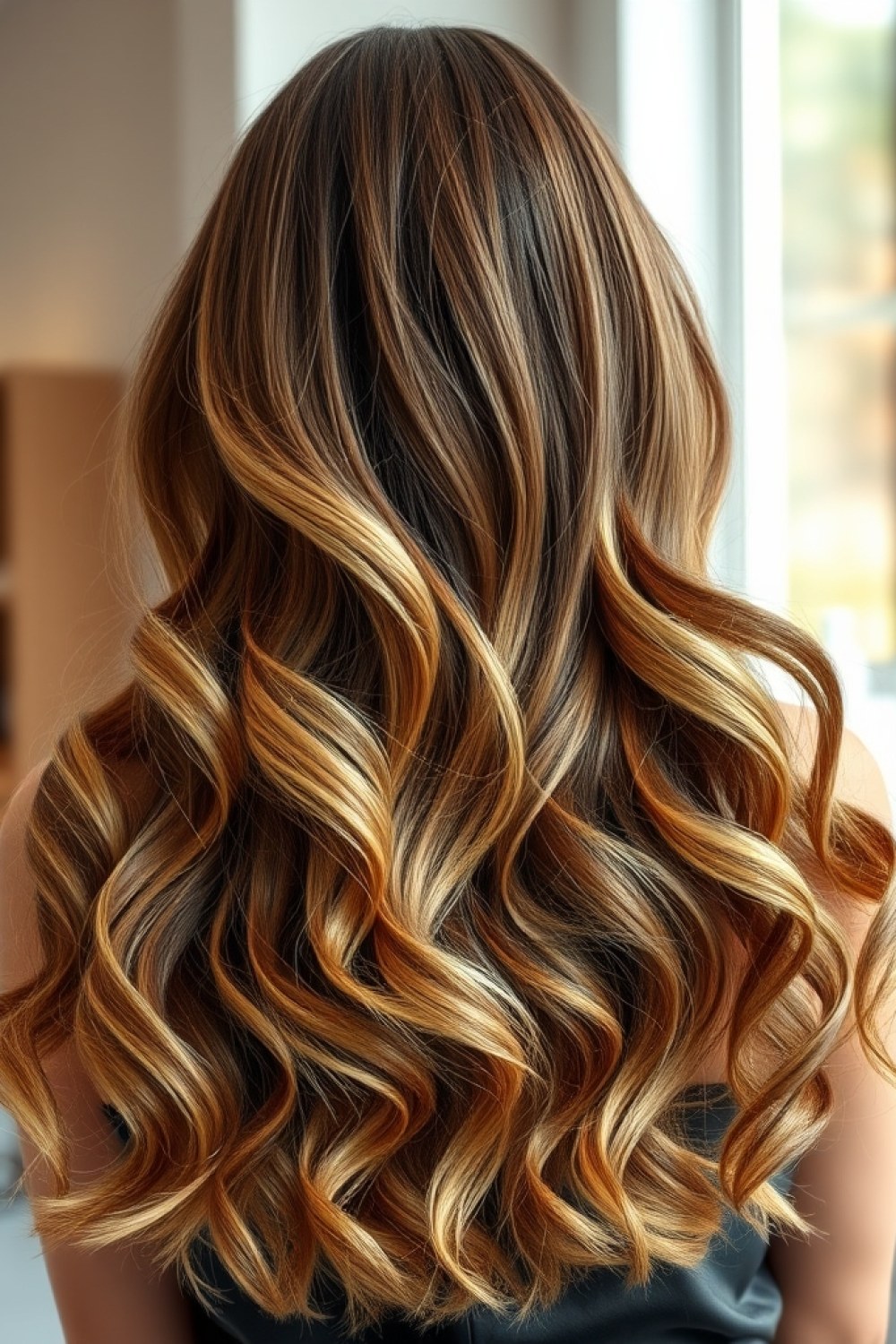
Colour and cut have to work together. Ask for long layers that start at the chin, so the blonde pieces land on movement instead of a flat weight line. Face-framing layers push the brightness forward.
Skip a heavy blunt hem if you want that beachy feel.
How to Ask for It
- Request long layers beginning at chin length, with face-framing pieces around the cheekbone.
- Ask your colourist to place the lightest ribbons on the layered sections, not the ends.
- Keep the perimeter soft — a slightly razored or point-cut hem, not a straight line.
- Style with a salt spray and rough-dry for texture.
20. Icy Blonde Without Going Grey
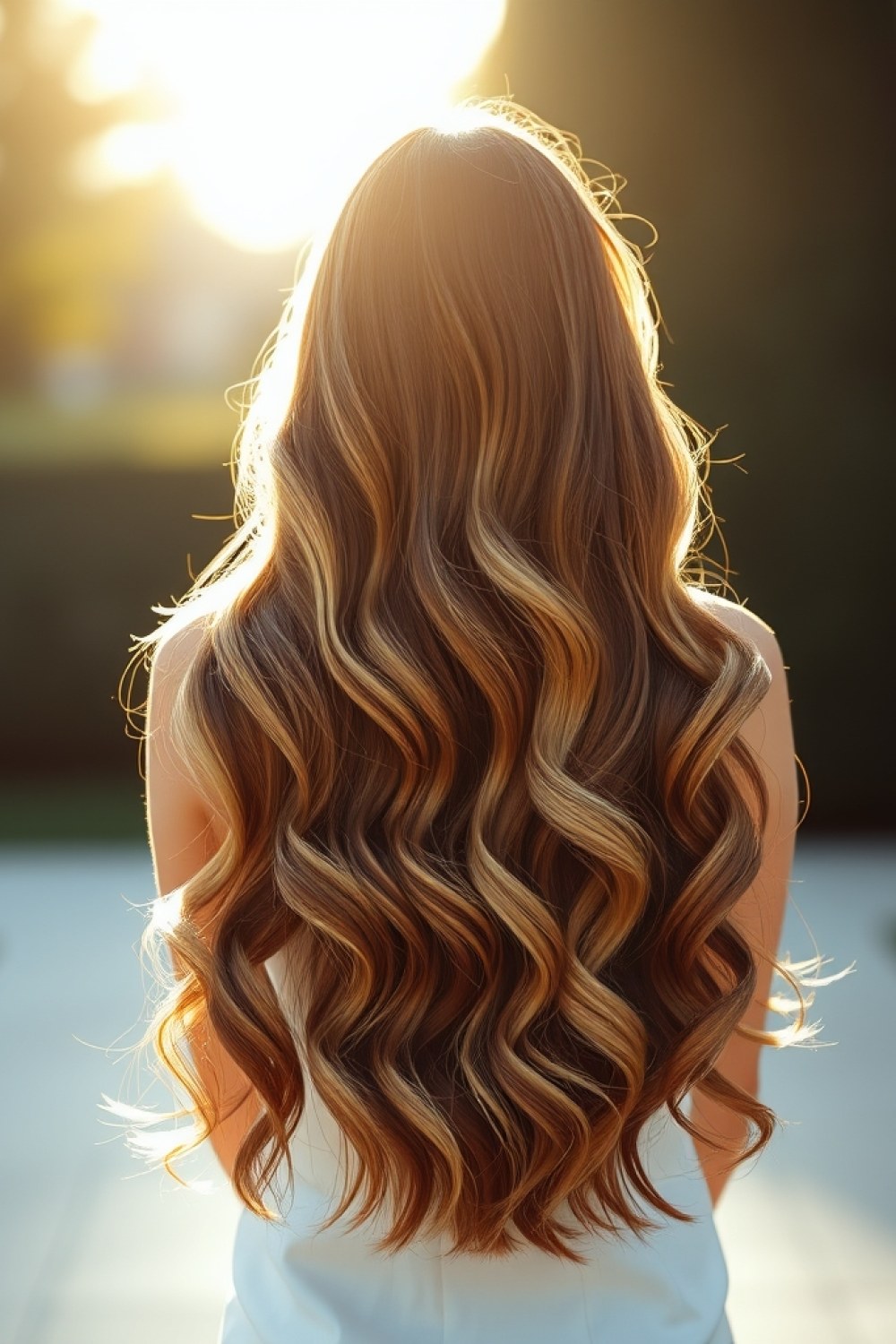
Cool blonde is fine — grey is not. The difference is the toner. Ask for pearl or beige-cool rather than straight ash, which drags brown hair toward dull silver. Add a bond treatment at the bowl.
Purple shampoo once a week, not every wash, or it dulls the shine.
How to Keep It Icy
- Book a pearl or beige-cool toner instead of pure ash.
- Add a bond builder to the lightening service to protect the mid-lengths.
- Wash with purple shampoo once weekly; use a hydrating formula the rest of the time.
- Refresh the toner every 6-8 weeks — it fades fastest on porous ends.
21. Balayage for Curly Brown Hair
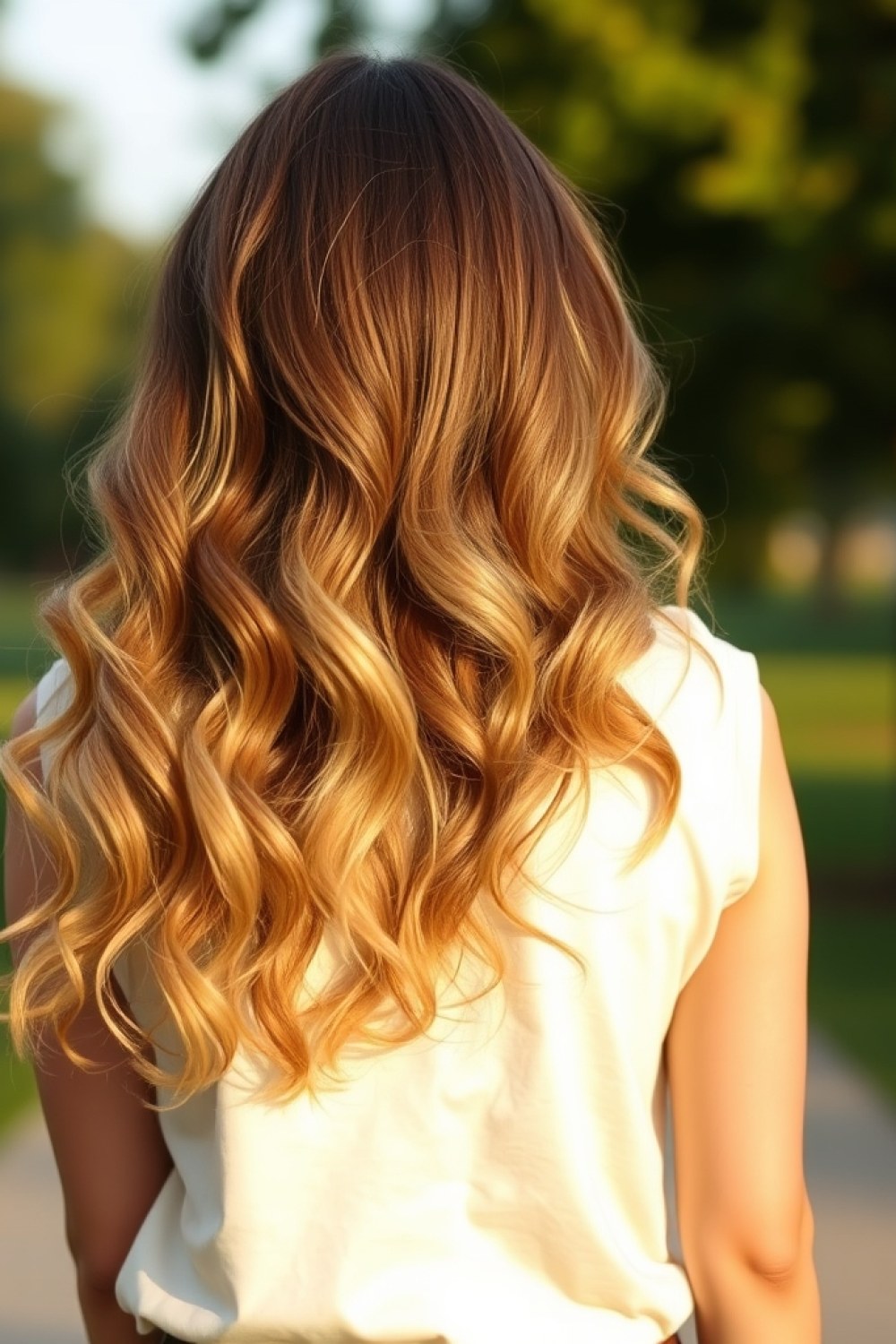
Curls need the blonde placed on the outer surface of the curl clumps, not scattered through the interior, or definition goes fuzzy. Ask for dry-cutting or curl-by-curl painting so your stylist sees the actual shape.
Diffuse and use a curl cream. Never a straightening iron.
How to Recreate It at Home
- Ask for dry-cutting plus curl-by-curl surface painting.
- Wash with a sulphate-free cleanser and condition generously.
- Apply curl cream to soaking-wet hair, scrunch, then diffuse on low heat.
- Refresh day-two curls with water and a little leave-in, never a flat iron.
22. Cinnamon Brown to Vanilla Blonde
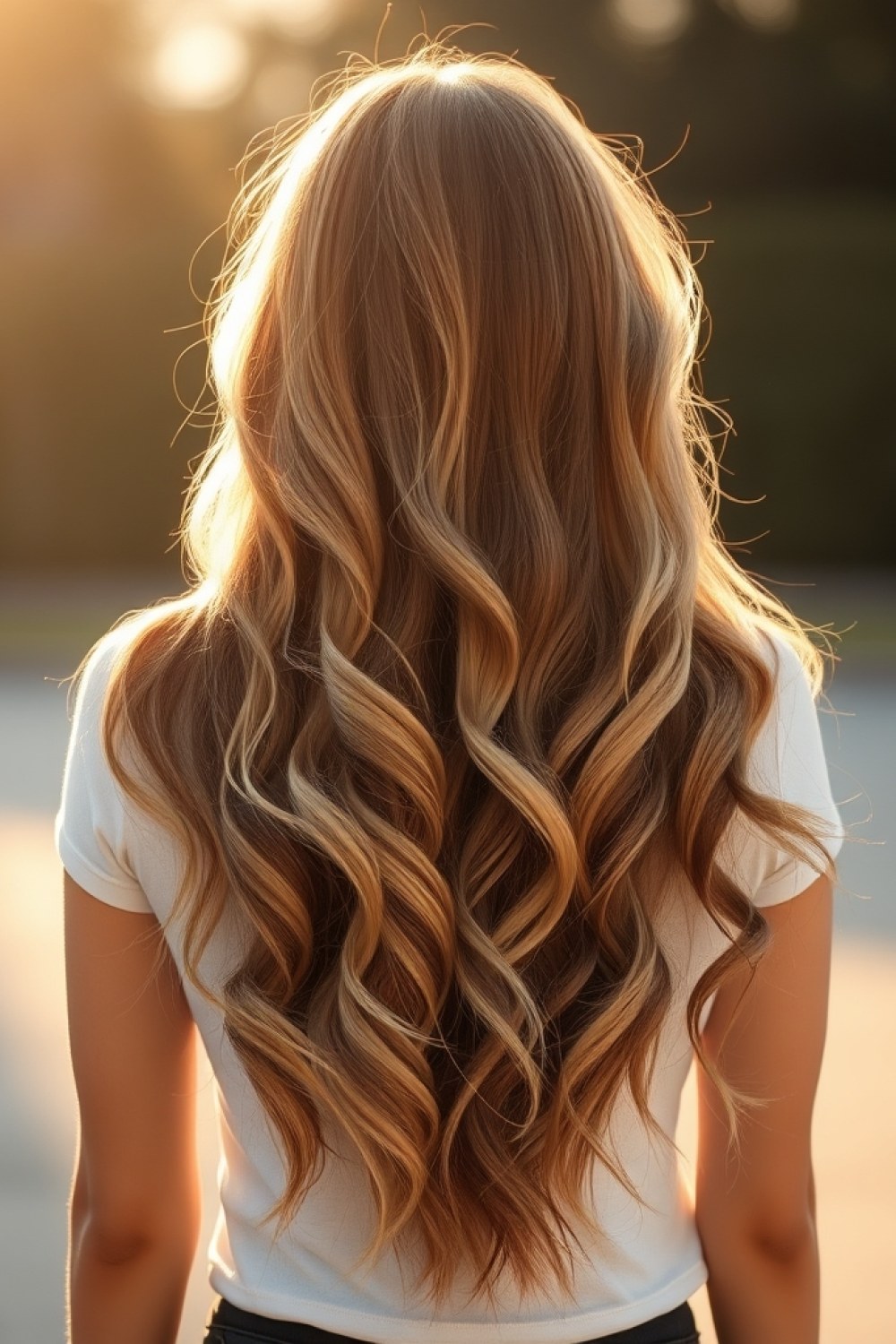
A spiced mid-tone melting into a creamy, almost vanilla end. It’s rich without tipping red, and the grow-out is graceful because the root stays warm and close to your natural shade. Best on medium skin with warm or neutral undertones.
How to Get the Melt
- Keep the root a cinnamon brown, one to two shades from your natural colour.
- Ask for a gradual transition through caramel, then vanilla on the last few inches.
- Request a warm-neutral toner — avoid anything violet, which turns this muddy.
- Gloss every 6-8 weeks to keep the vanilla from going straw-like.
23. Low-Contrast Balayage for the Office
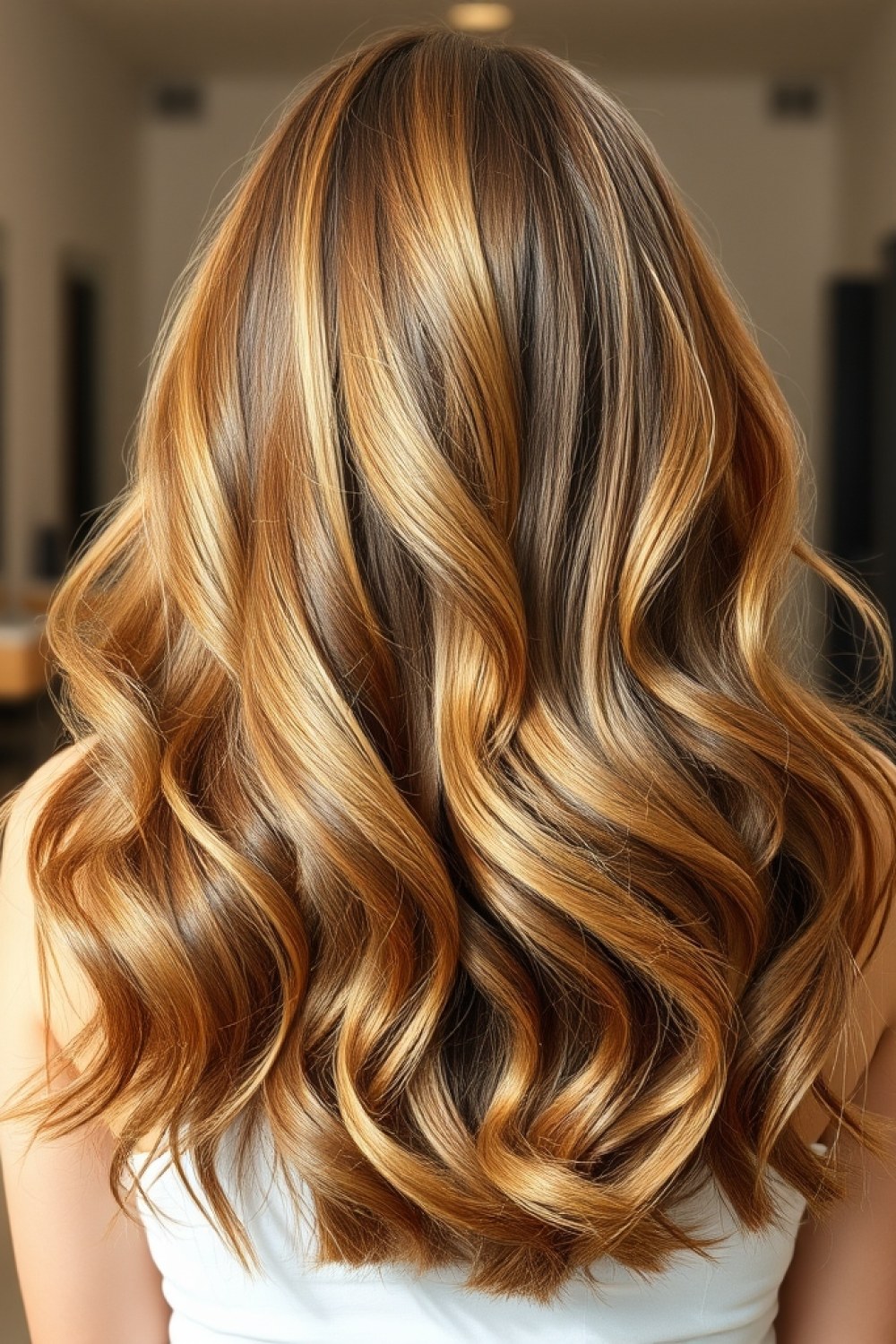
Barely-there lift — one shade lighter through the mid-lengths so it reads polished and natural under fluorescent office lighting. No one will call it blonde, but everyone will say your hair looks good. It’s the lowest upkeep on this list.
Roots blend for months, and there’s no hard line to chase.
How to Keep It Subtle
- Ask for a single shade of lift, no more, placed through the mid-lengths.
- Keep the root untouched and the ends within two shades of your base.
- Choose a clear gloss for shine without shifting the tone.
- Stretch appointments to 12-14 weeks — this look forgives grow-out.
24. Balayage with a Gloss for Shine
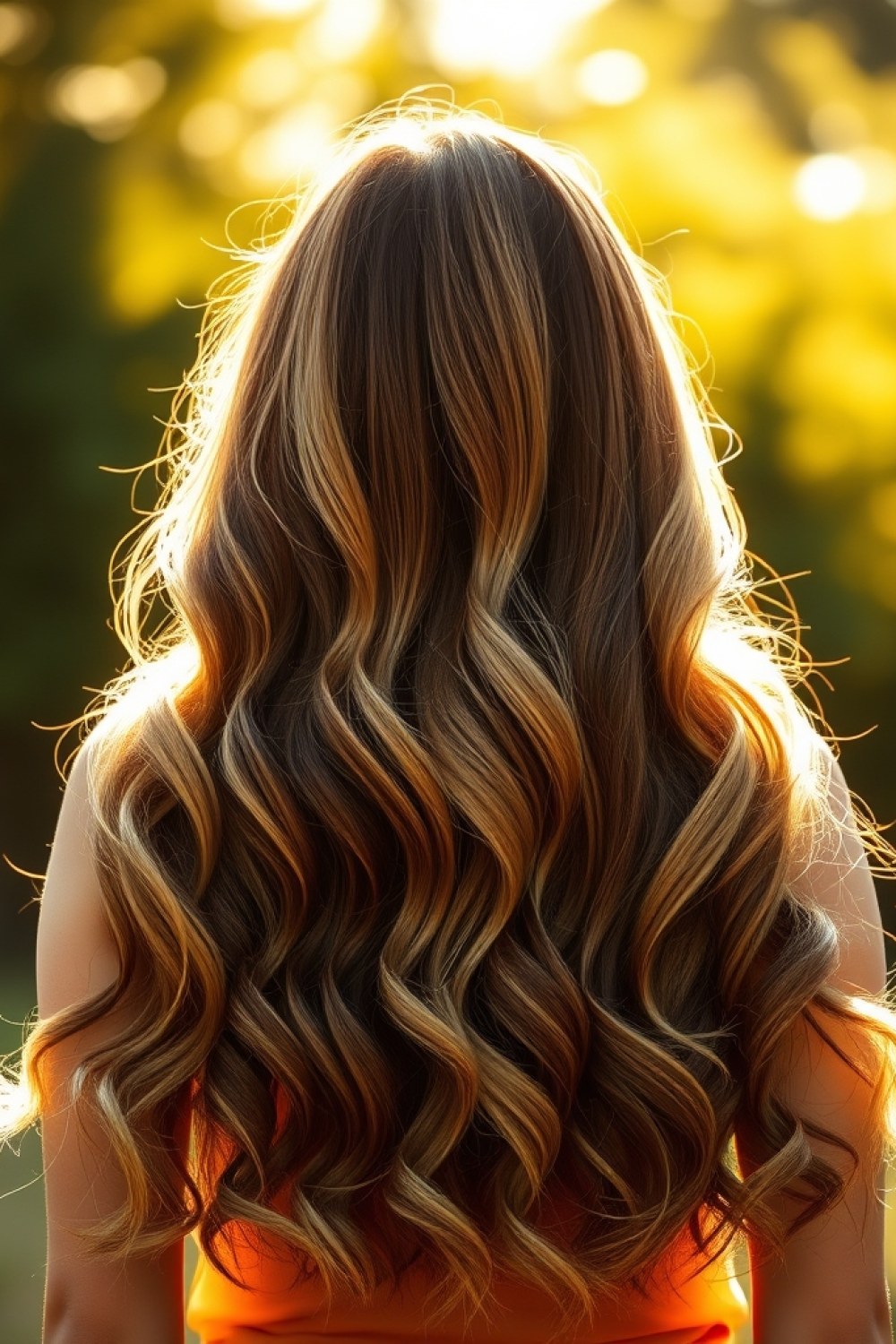
A clear or tinted gloss at the end of the appointment seals the cuticle, kills brass and adds mirror shine. It fades in 4-6 weeks, but it’s the cheapest way to refresh the whole look between lightening sessions.
Think of it as a topcoat, not a colour change.
How to Use It Well
- Ask for a gloss after every lightening service, clear or tinted to your target tone.
- Book a stand-alone gloss at the 4-6 week mark to bridge appointments.
- Choose a tinted gloss to knock out brass without a full toner.
- Skip clarifying shampoo right after — it strips the gloss faster.
25. Grown-Out Balayage with a Trim Plan
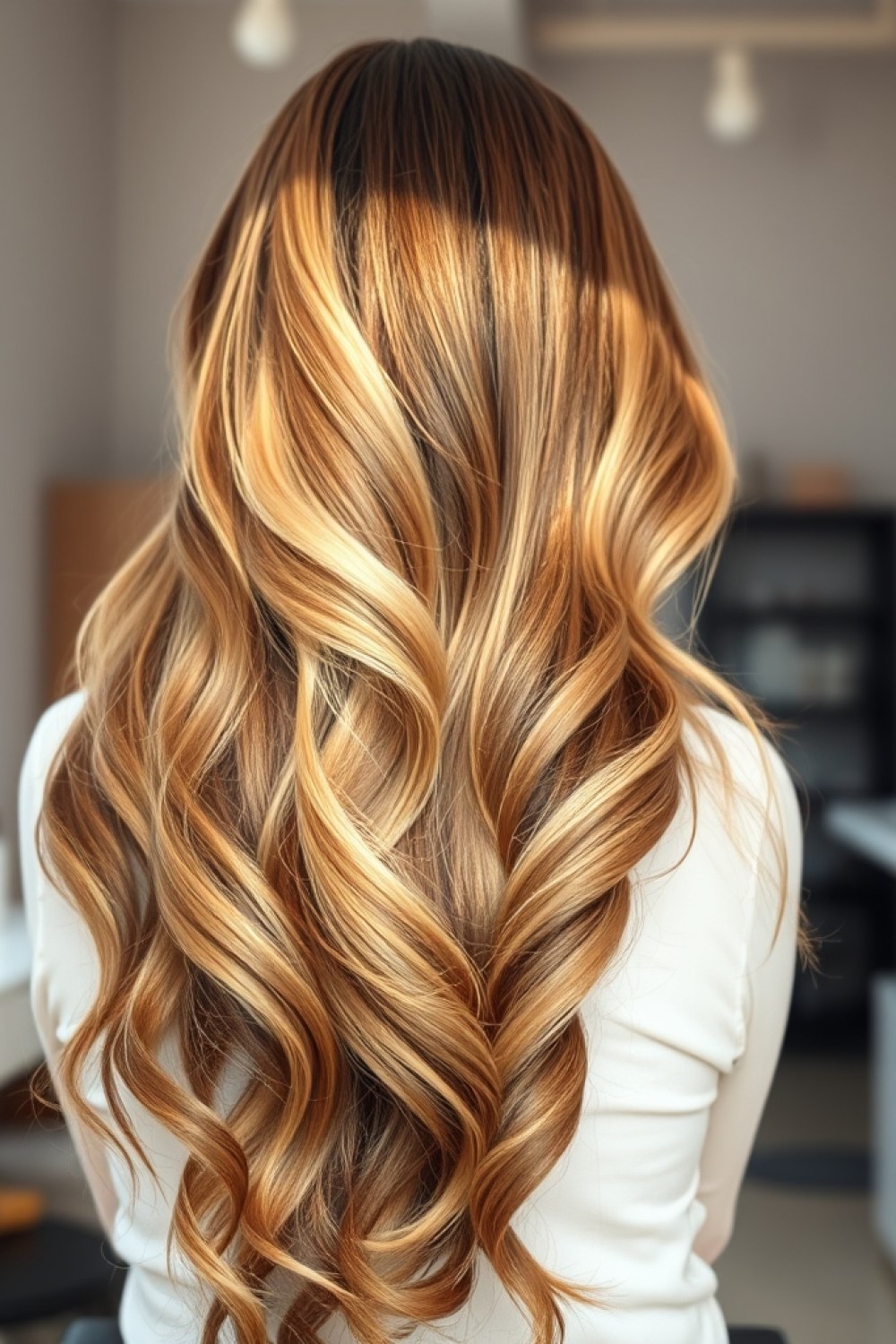
If your ends are already lightened, they’re the oldest, most fragile hair on your head. A dusting every 10–12 weeks stops split ends travelling upward. The blonde then creeps gradually lighter without your length disappearing.
Ask specifically for a dusting — a millimetre or two off the very tips. Say “dusting, not a cut” so you keep your length.
How to Plan It
- Book the dusting at 10–12 weeks, timed to your balayage refresh.
- Ask your stylist to point-cut the lightest ends first.
- Keep a bond-building mask in your routine between visits.
- Take a before photo each time so you can see the gradual shift.
26. Balayage for Long Brown Hair
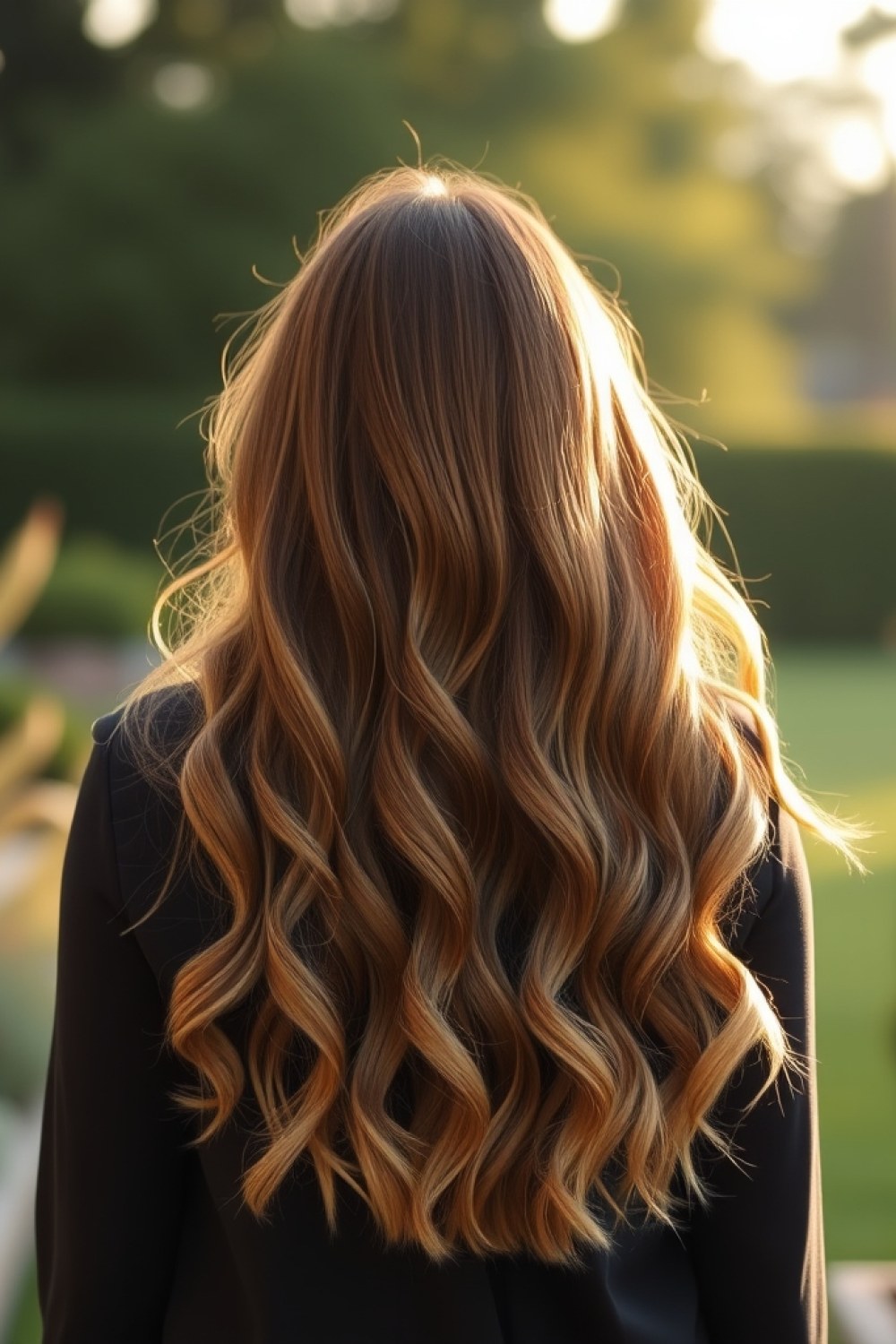
On very long hair, the ends have had years of wear. If you brighten the bottom first, it reads brassy and tired before the rest catches up. Place the lightest point at the collarbone and let it fade downward.
Two lighter sessions beat one marathon appointment — your hair and your schedule both cope better.
How to Ask for It
- Request the brightest section at collarbone level, softening toward the ends.
- Split the lift across two appointments, 6–8 weeks apart.
- Skip the very ends on the first visit so there’s room to refine.
- Ask for a gloss through the mid-lengths to blend each stage.
27. Bridal-Soft Blonde Blend
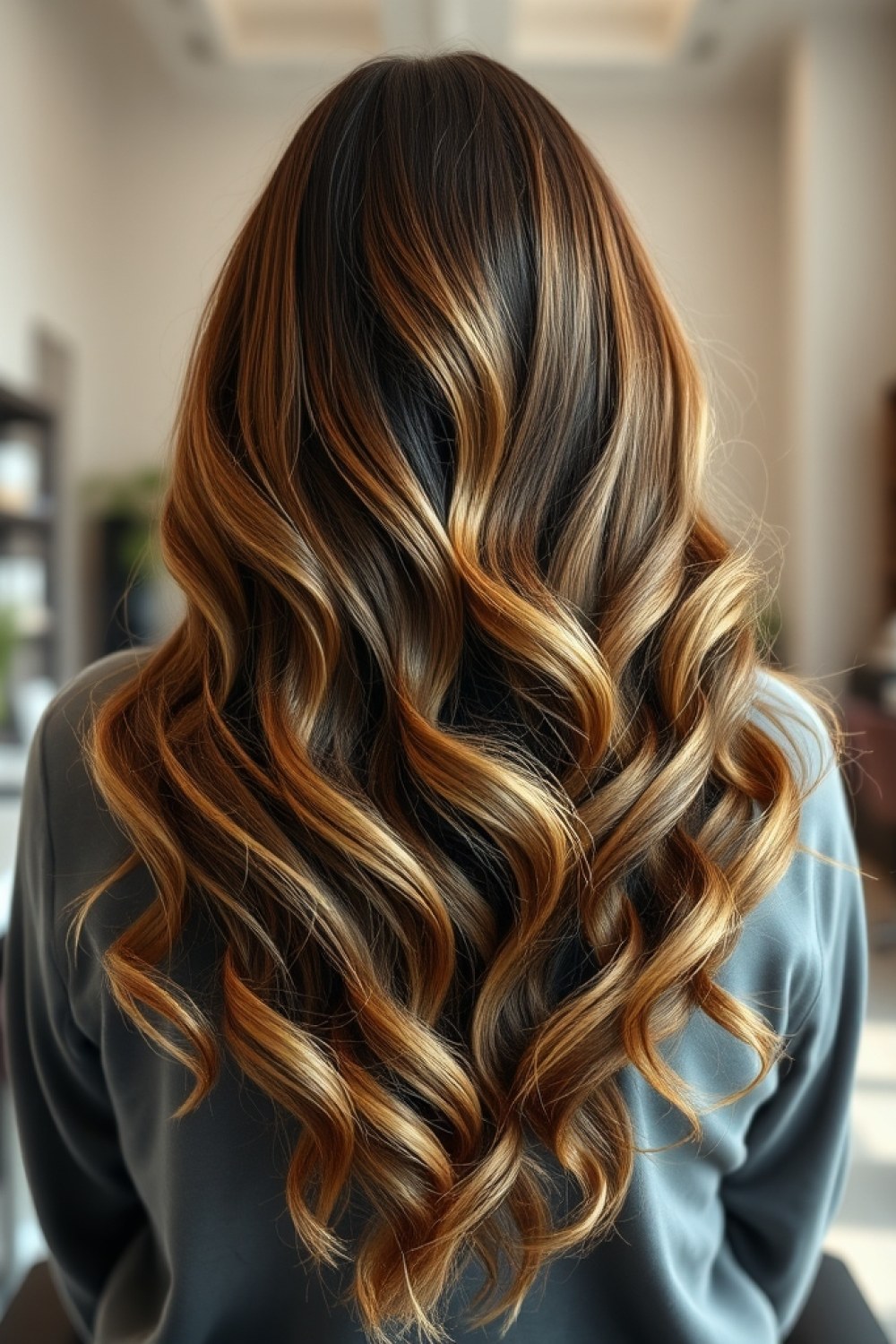
A gentle, almost airbrushed blonde with the brightest piece placed just around the face. It catches light in photos without looking striped or high-contrast. Softness reads better on camera than sharp dimension.
Book it 2–3 weeks before the wedding so the tone settles and any brassiness is gone by the day.
How to Prep for the Date
- Schedule the colour 2–3 weeks out, with a gloss top-up one week before.
- Bring your veil or a dress-colour swatch to the consult.
- Ask for face-framing brightness, not full-head lift.
- Book a trial run first if you’re changing tone significantly.
28. The Staged Three-Appointment Plan
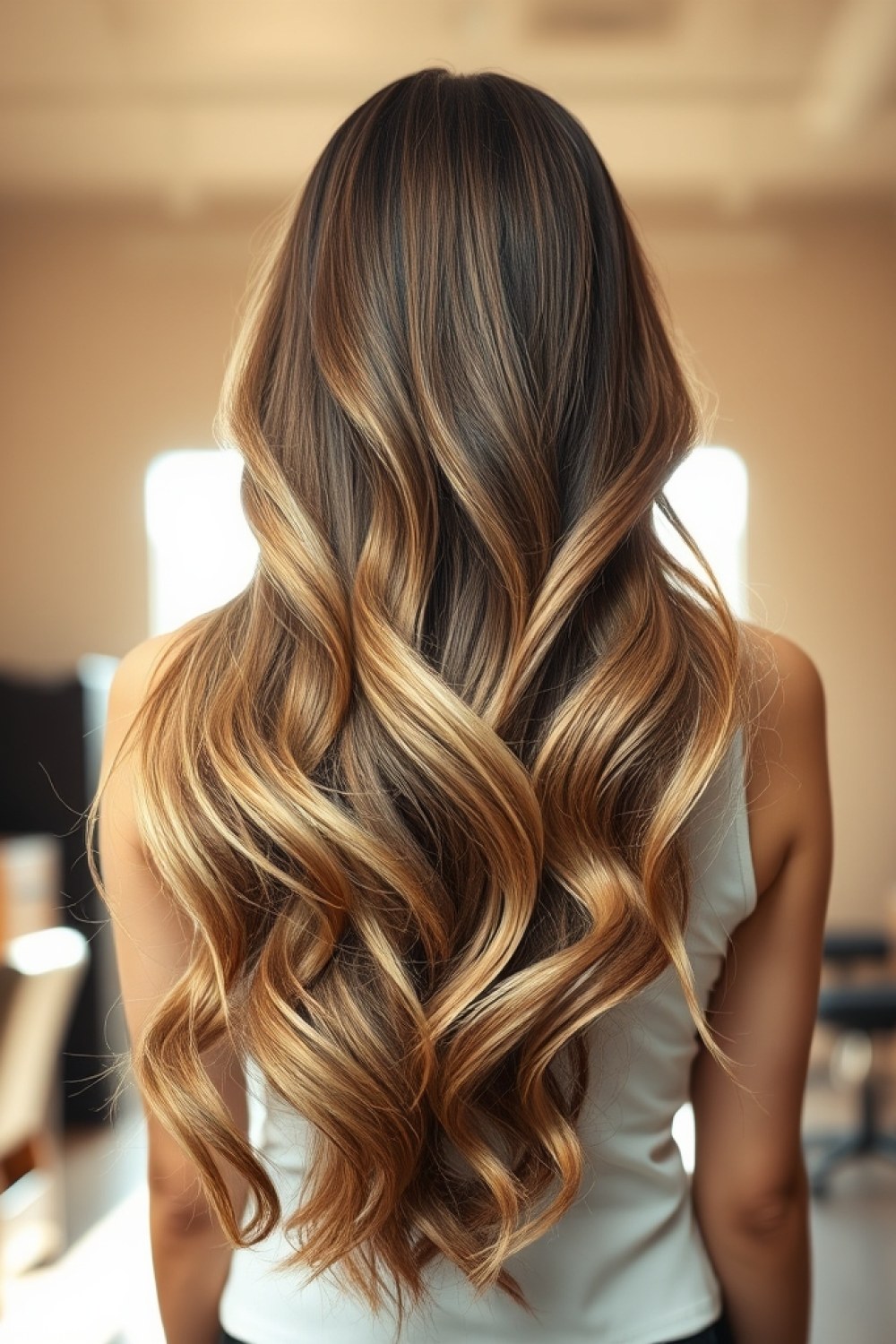
Going from brown to blonde in one sitting risks breakage, especially past four levels of lift. Staging it protects the hair and gives you a colour that looks considered rather than flat.
Three visits: lift, tone, then refine. Slower, yes — but the grow-out is even and the condition holds.
How to Structure the Three Visits
- Visit one: lift the base to a safe, warm canvas — no toning yet.
- Visit two: tone and balance, removing unwanted warmth.
- Visit three: refine placement and add face-framing brightness.
- Space them 4–6 weeks apart and keep up bond treatments throughout.
Frequently Asked Questions
How much does it cost to go from brown to blonde with balayage?
Plan on roughly $180–$350 for a first balayage at most US salons. If you’re lifting several levels or working with long, dark hair, expect $400 and up. Don’t forget upkeep: glosses run $60–$100 and usually need refreshing every 6–8 weeks.
Can I go from dark brown to blonde in one session?
Sometimes, but not safely past 3–4 levels of lift. Pushing dark brown to light blonde in one sitting risks mushy, snapping hair. Many stylists stage it over two or three appointments — pricier overall, but you keep your length and get a softer grow-out.
How often do I need to touch up balayage on brown hair?
A full balayage refresh lands around every 12–16 weeks, while a toner or gloss sits in the 6–8 week window. That’s the real advantage over foils: no harsh regrowth line, so you can stretch appointments and let the brown blend in on its own.
Will brown-to-blonde balayage look orange or brassy?
It can if the undertone isn’t neutralised — brown hair lifts through warm red-orange stages before it goes blonde. A good stylist tones after lightening with a beige or ash shade, and you keep it clean at home with a purple or blue shampoo once a week, not every wash.
Choosing Your Brown-to-Blonde Balayage Before You Book
Bring two or three of these photos to your consultation and point out exactly what you love — the root blend, the brightness level, the tone. “Blonde balayage” means ten different things in ten different chairs, and vague requests get generic results.
Be honest about how often you’ll actually come in for a gloss. If the answer is rarely, choose a shadow root or bronde over icy platinum. And always ask for a strand test or patch test if your hair has been box-dyed or chemically straightened — it’s the difference between a smooth transformation and a repair bill.