
21 Pretty Pink Highlights in Brown Hair: Fun and Flirty Color Ideas
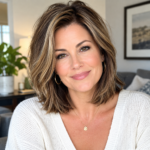
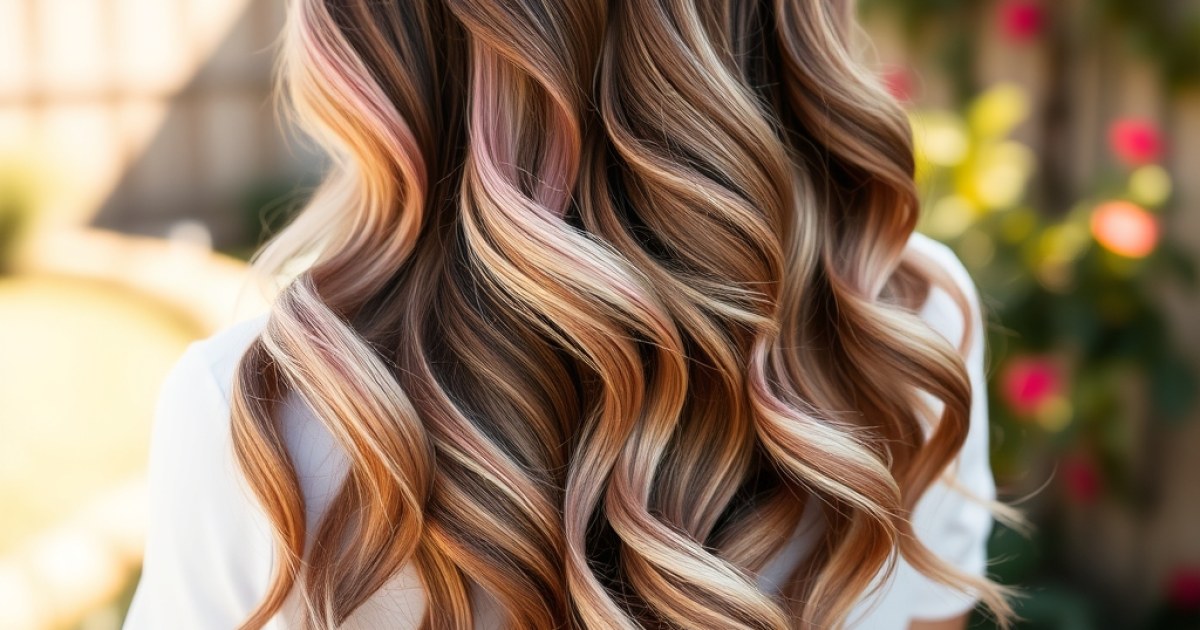
Ever scroll past a photo of pink highlights in brown hair and think, “Could I actually pull that off?” Yes, you can—and this roundup is here to prove it. Brown hair is honestly the best possible base for pink, because the depth underneath keeps the color looking rich instead of candy-sweet.
The trick is matching the pink to your brown. Medium browns glow with rose gold and dusty blush, while dark espresso and black-brown shades can carry fuchsia, magenta, and hot pink without washing out. We’ve rounded up 21 fun and flirty ideas, from barely-there ribbons to bold face-framing streaks.
Along the way you’ll get the practical stuff too—placement that flatters your face shape, why balayage-style pink grows out softer than chunky foils, and how to keep the shade from fading after two washes. Bring this list to your stylist, or use it to plan a low-commitment DIY test run.
How to Pick the Right Pink Highlights for Your Brown Hair
Before you screenshot twenty inspo pics, narrow the field with three quick decisions: how dark your base is, how much upkeep you’ll tolerate, and how bold you actually want to go in real life versus on Pinterest.
- Match pink to your brown’s depth: light and medium browns pair beautifully with dusty rose, blush, and rose gold; dark brown and espresso can handle magenta, fuchsia, and vivid hot pink without looking washed out.
- Decide on placement: money pieces and face-framing streaks give the most visible pop with the least amount of bleach, while full balayage ribbons are softer and grow out more gracefully.
- Think about commitment level: semi-permanent dyes and color-depositing masks fade in 4–8 washes and are perfect for a trial run; permanent pink over lightened hair lasts months but needs root touch-ups every 6–8 weeks.
- Consider your skin tone: cool undertones love icy pastel pink and cool magenta, while warm or olive undertones look best in coral-pink, rose gold, and peachy blush.
1. Blush Balayage Ribbons
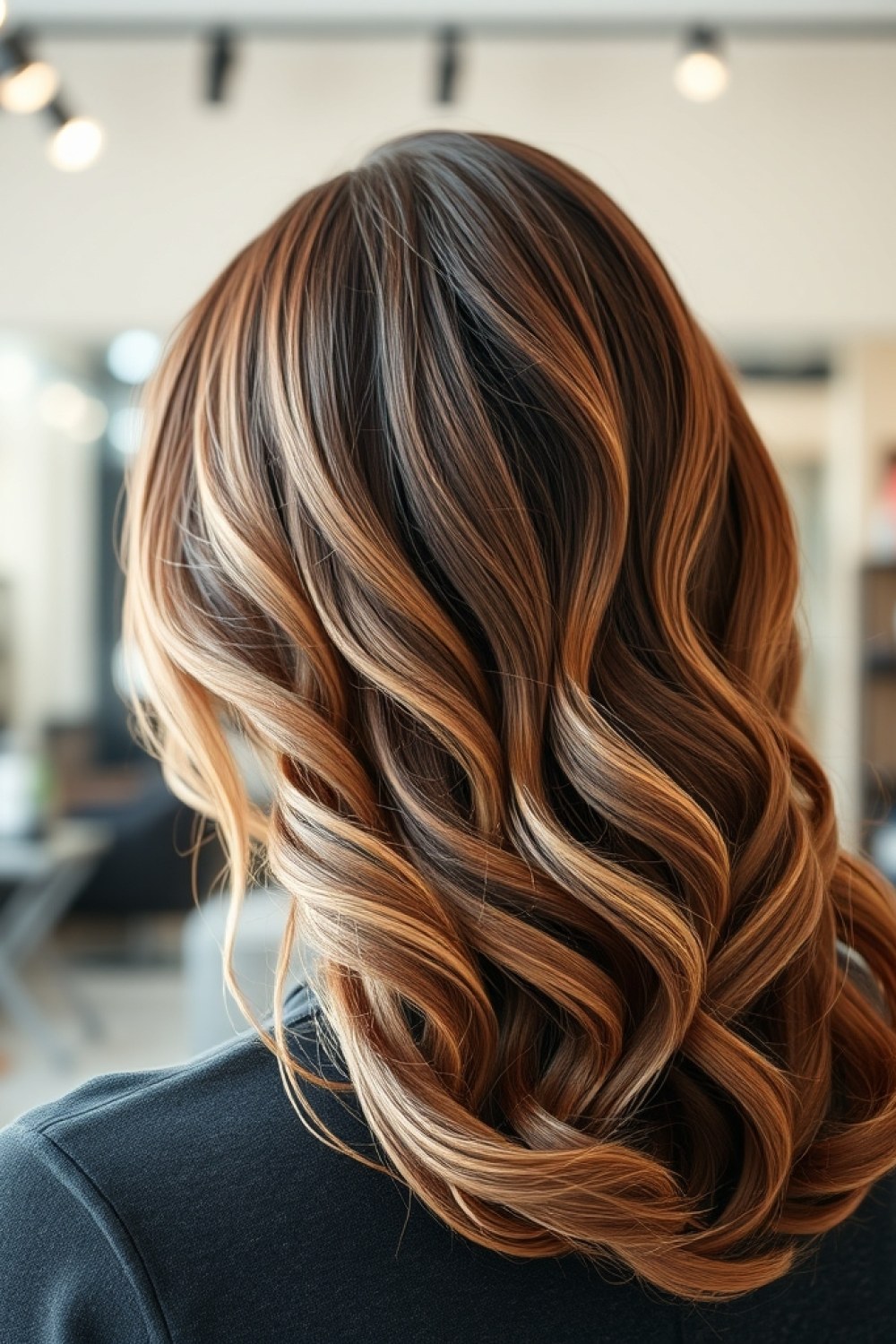
Best for: First-timers who want a subtle flush of pink that grows out gracefully.
Your colorist hand-paints soft ribbons of dusty rose through medium brown, focusing on the mid-lengths and ends. The trick is asking for a balayage technique paired with a light pink toner and no bleach lift beyond a level 8—that keeps the brown base intact while the pink reads as a whisper, not a shout.
Because the color is painted rather than saturated root-to-tip, regrowth stays soft and you can stretch touch-ups to 12 weeks or more.
Try this: Bring a photo of dusty rose, not hot pink—toner choice makes or breaks this look.
2. Pink Money Piece
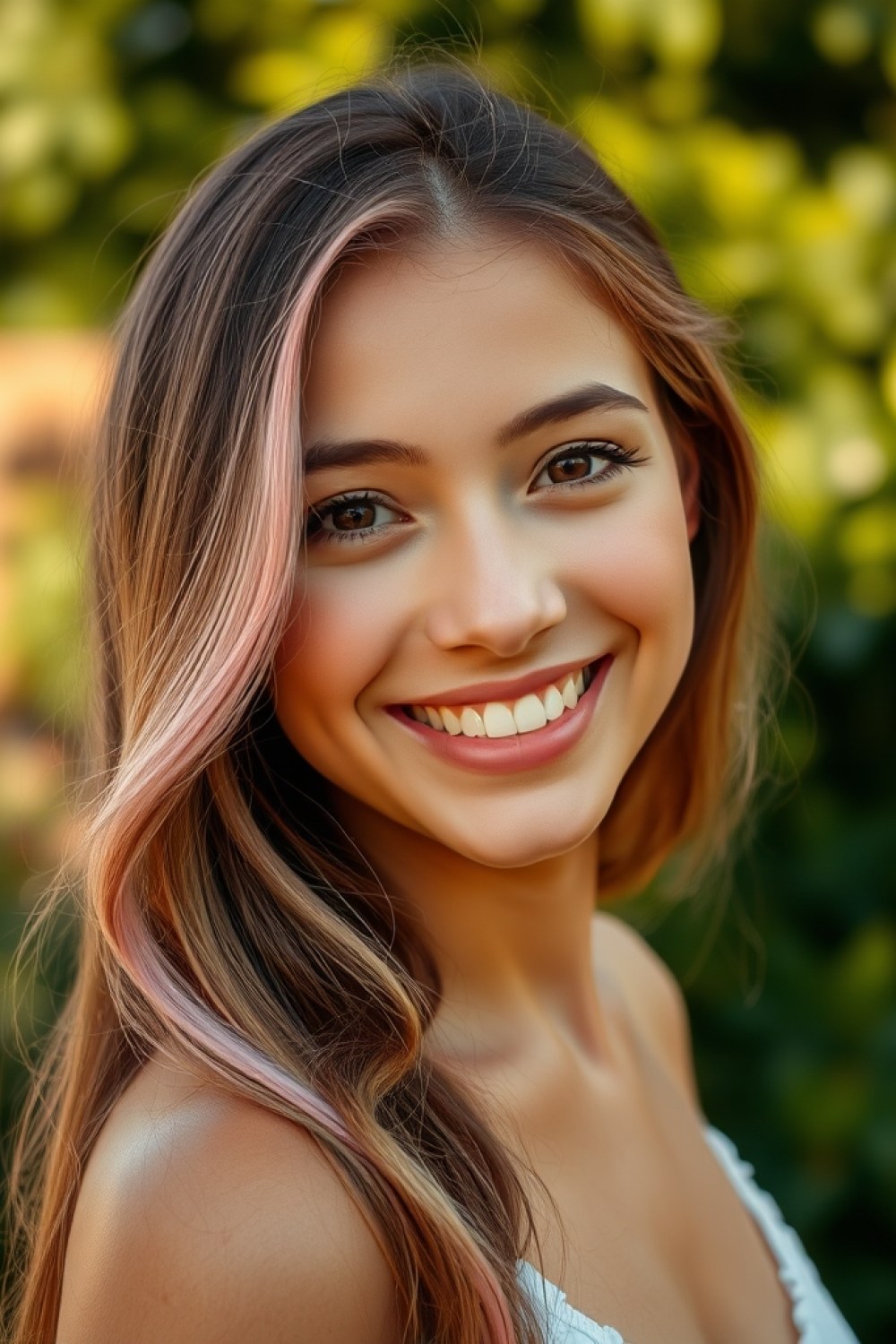
Best for: Anyone testing pink without a full commitment.
A face-framing pink streak—or two—right at the front, with the rest of your hair kept brown for contrast. Go vibrant magenta on the money piece and have your stylist blend it slightly into the brown so there’s no harsh line where the colors meet.
It’s the trendiest low-commitment move out there: one foil section, 45 minutes in the chair, and instant brightness around your face.
Try this: Ask for a “shadow melt” at the root so the pink softens as it grows out instead of banding.
3. Rose Gold Melt
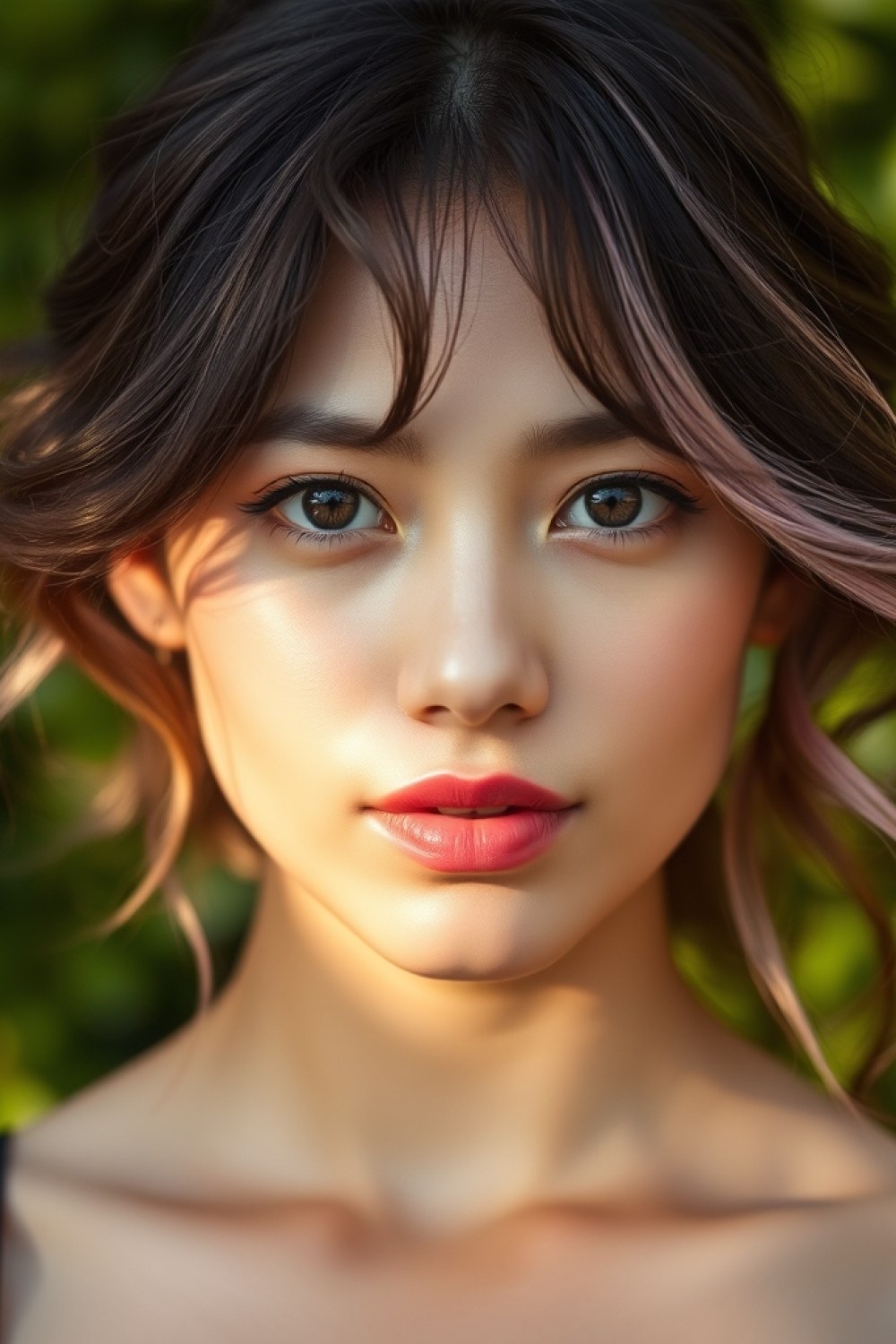
Best for: Warm complexions that glow in golden or peachy tones.
This is a seamless gradient from brown roots into rose gold ends, and the metallic pink flatters warm skin like nothing else. Ask for a shadow root—a slightly deeper brown melted into the mid-lengths—to keep regrowth low-maintenance between appointments.
The dimension really shows when you style with loose waves, so book a trim and a gloss on the same visit.
Try this: Refresh the rose gold with a color-depositing mask every two weeks; it fades faster than you’d think.
4. Pink Peekaboo Highlights
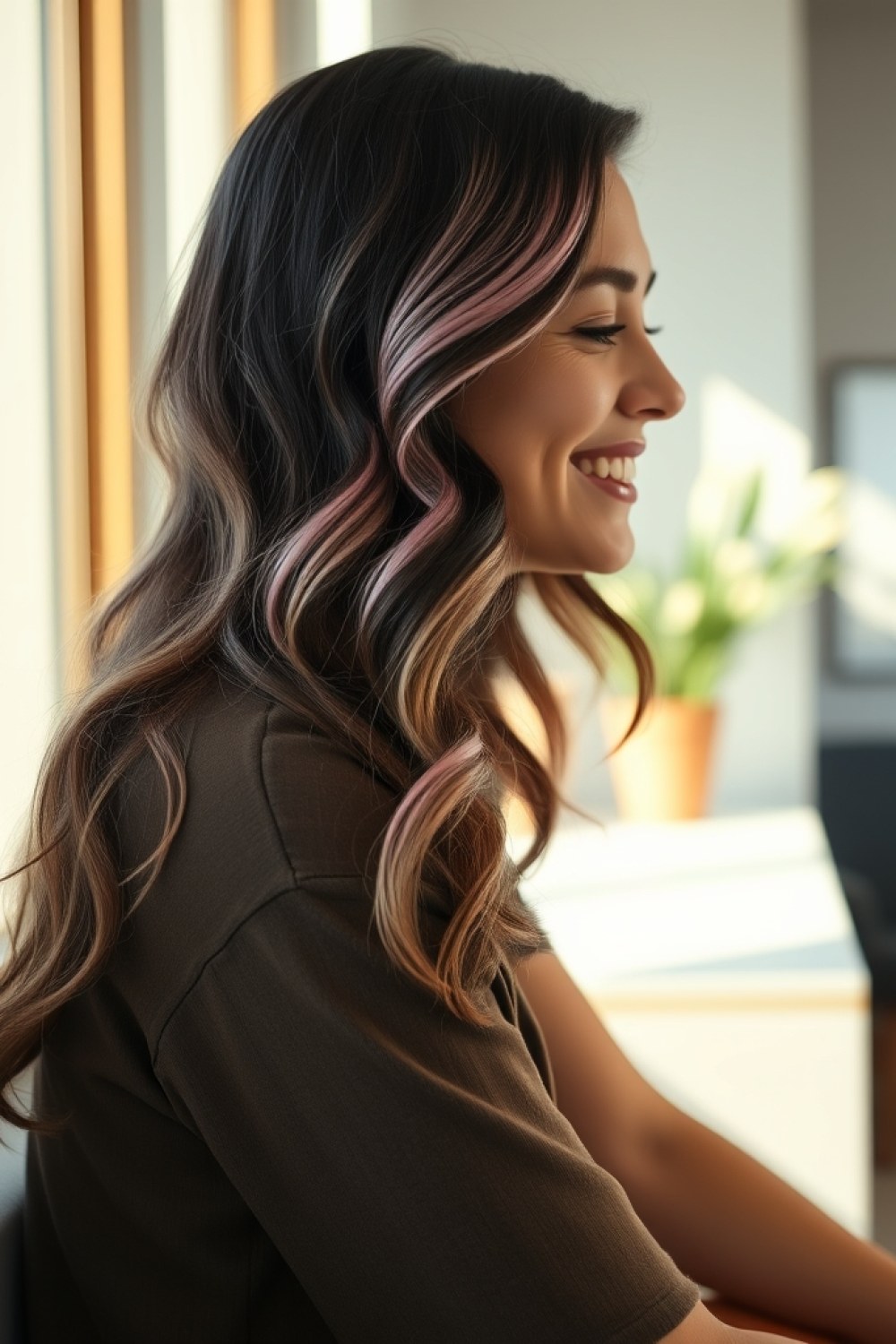
Best for: Professionals who need a conservative look at work.
Hidden panels of pink sit underneath the top layer of brown hair, invisible when your hair is down but flashing bright when you wear it up or flip your part. Ask for a deep fuchsia rather than a pale pink—it holds its pigment longer and gives a bolder surprise.
Your colorist will section the underlayer and foil it separately so the top layer stays untouched.
Try this: Clip your hair half-up to reveal the panels for evenings out without changing a thing.
5. Cotton Candy Ombré
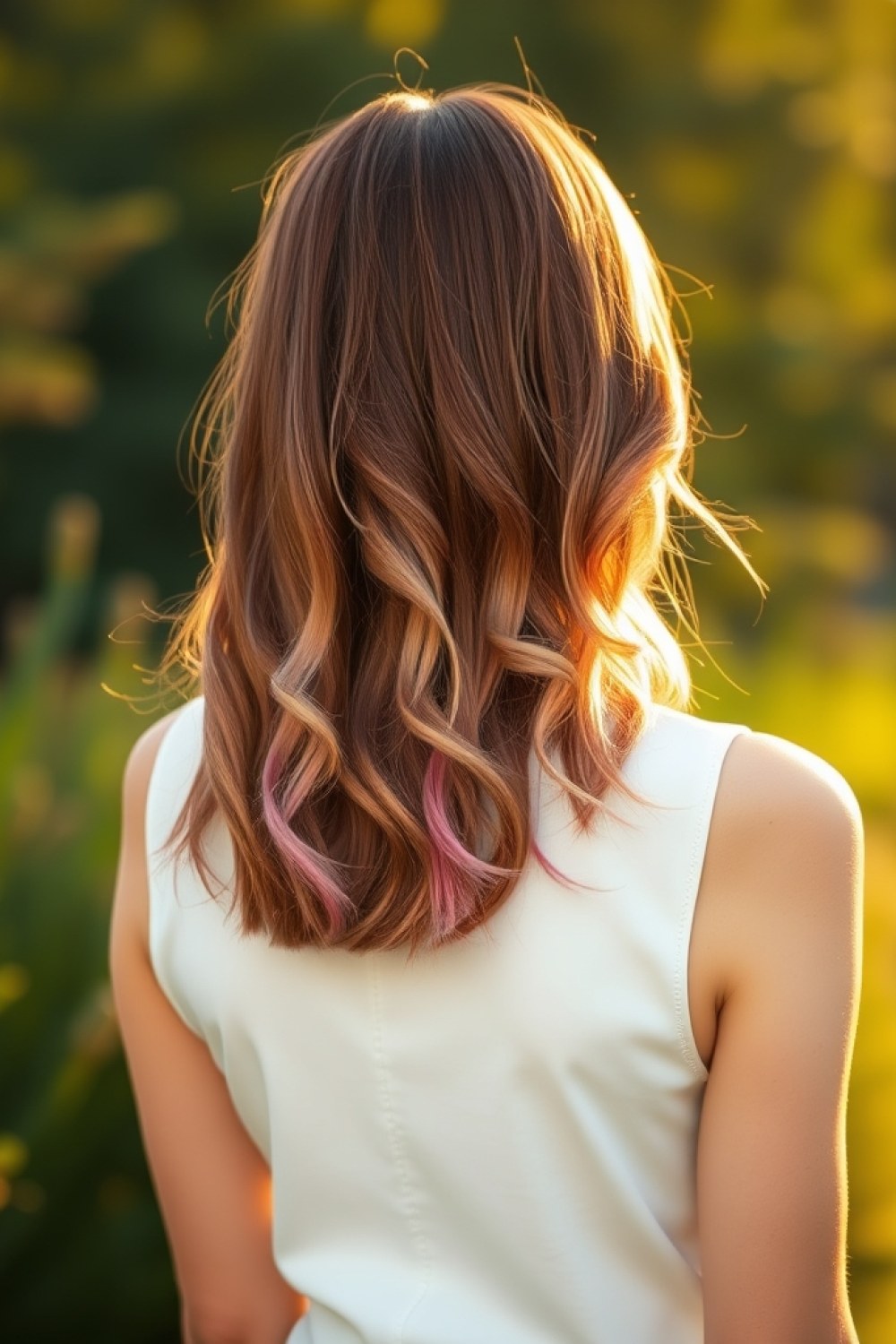
Best for: Brunettes ready for a playful, high-impact transformation.
A transition from brown roots into pastel pink ends—undeniably fun, undeniably high-maintenance. The ends get pre-lightened to a pale yellow (think the inside of a banana), then toned with pink. Skip that lift and the pastel turns muddy or patchy.
Pastel pink fades within four to six washes, so plan on a toning gloss every three weeks to keep it candy-bright.
Try this: Keep ends trimmed every 8 weeks—frayed tips make pastel look dusty instead of dreamy.
6. Pink Streaks on Dark Brown
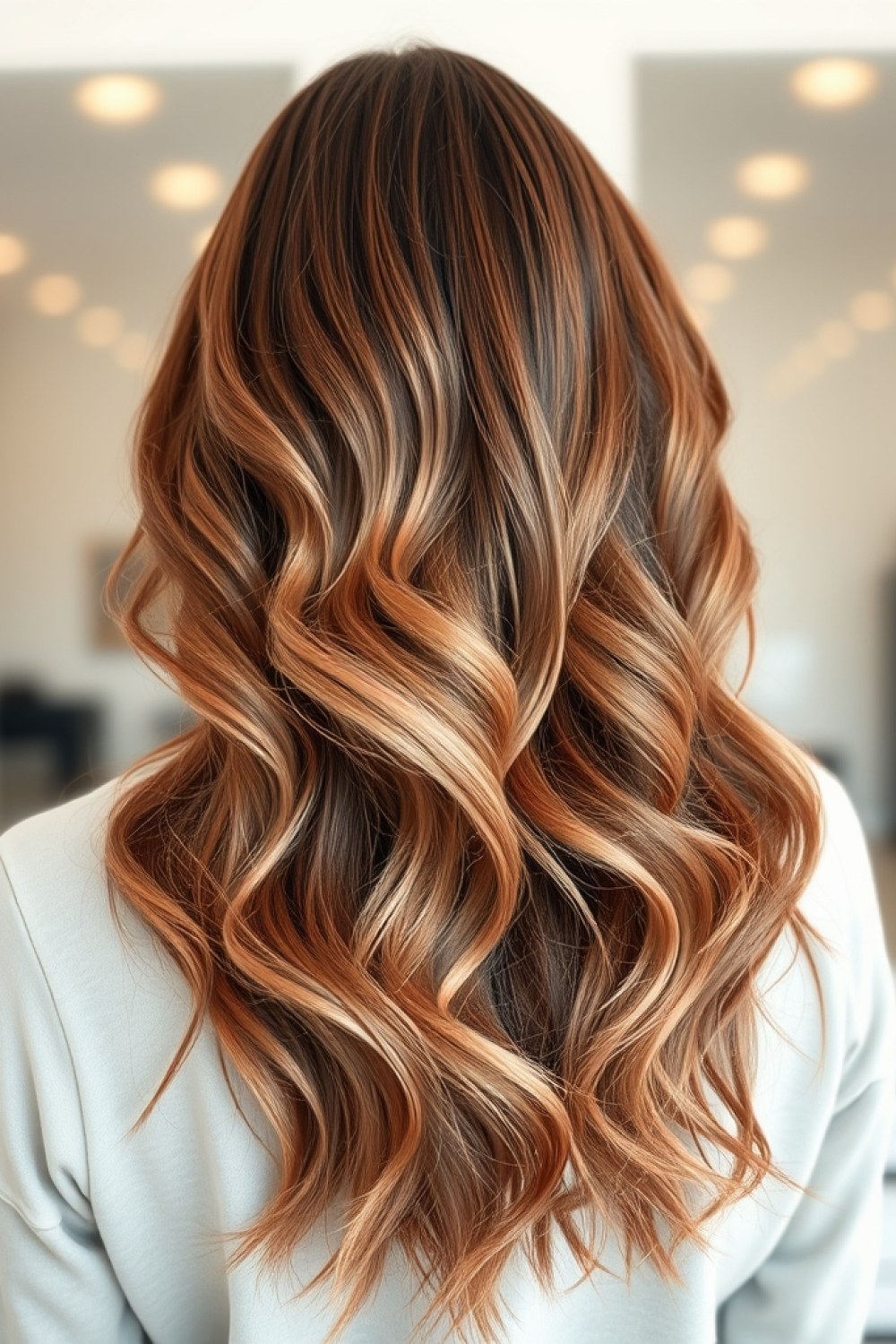
Best for: Dark brown hair that wants a striking, graphic contrast.
Bright magenta or hot pink streaks painted onto deep brown—the contrast is bold and eye-catching. Your stylist should use foils to isolate each streak so the color stays vivid and doesn’t bleed into the surrounding brown.
This works best on straight or wavy hair, where the streaks read as clean graphic lines rather than blending into a blur.
Try this: Wash with cool water and a sulfate-free shampoo to keep the magenta from fading to washed-out rose.
7. Subtle Strawberry Tint
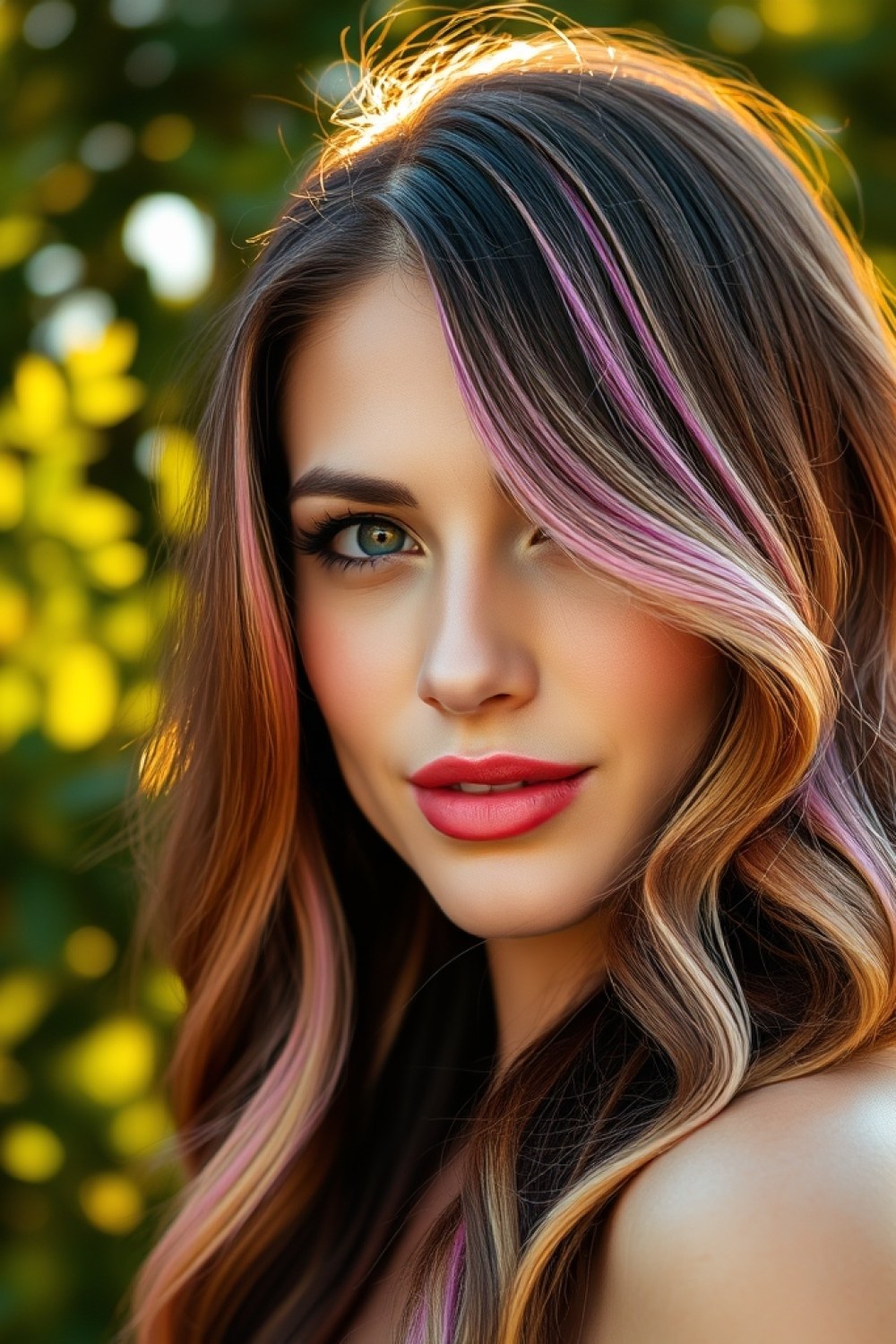
Best for: light brown or dark blonde hair that’s never been colored, and anyone wanting zero-commitment pink for summer.
A strawberry gloss is basically a translucent pink topcoat, not a dye job. On unbleached level 7 or 8 brown, it warms the whole head into a fruity, sunlit sheen that reads natural until the light hits it. Expect the tint to fade over 4-6 washes, so it’s the perfect toe-dip before real highlights.
Try this: Ask for a demi-permanent gloss in strawberry or rose gold, process 15-20 minutes, no bleach—or DIY with a pink color-depositing mask on damp hair for 10 minutes.
8. Pink Highlights on Auburn
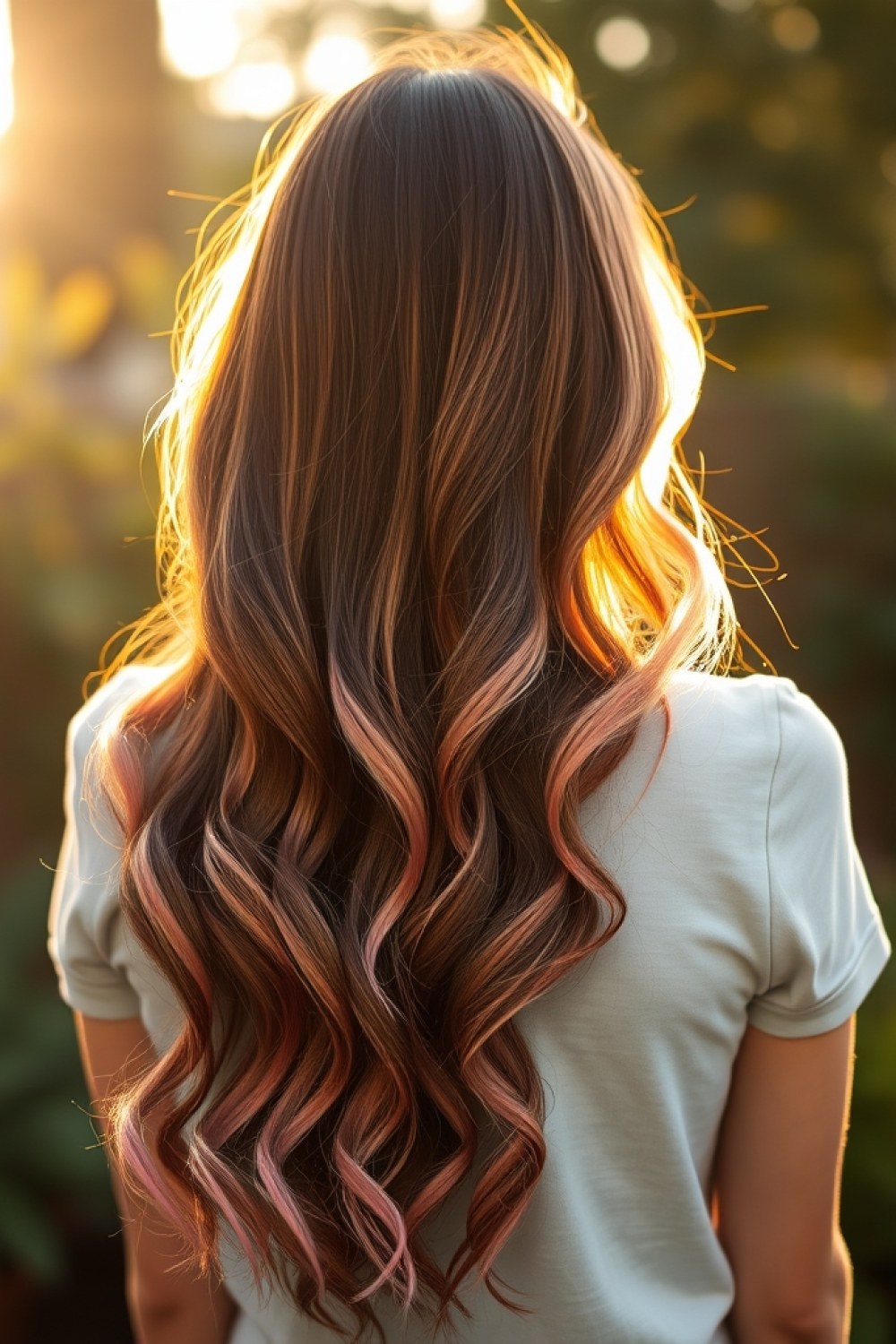
Best for: natural or colored auburn hair, especially for a fall refresh.
Auburn already carries red-orange undertones, so rose and warm pinks slide right in and amplify that glow instead of fighting it. Weave rose-pink foils around the face and through the mid-lengths—about 10-15 foils total—so the pink melts into the auburn rather than sitting on top. Cool mauve or icy baby pink turns muddy against all that red, so keep everything on the warm side.
Try this: Bring a rose or coral-pink swatch to your colorist and ask for it applied as fine slices on a level 7 formula, lifted just one shade.
9. Chunky Pink Face Frame
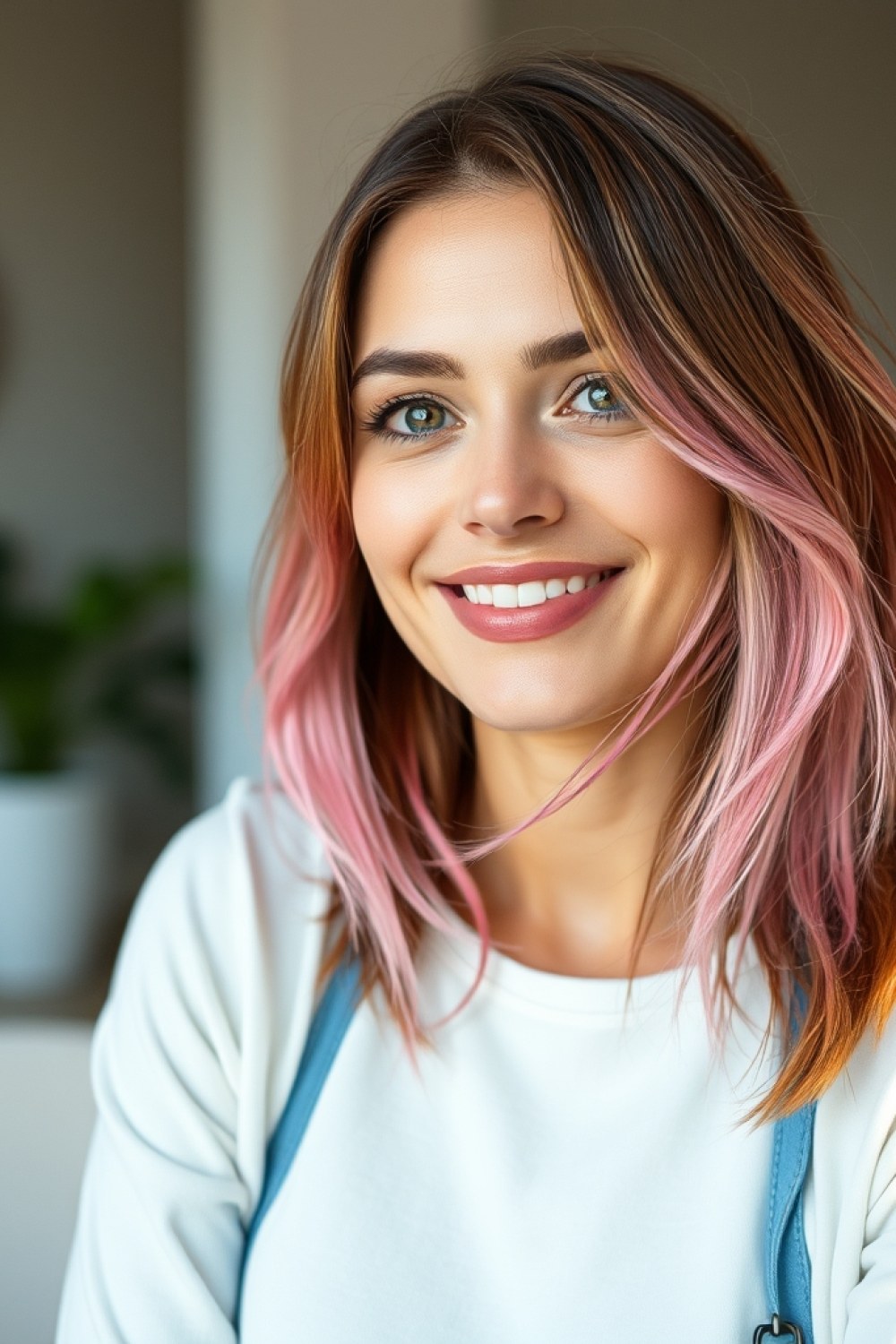
Best for: statement-makers who want pink visible every single day, even with hair down.
Two thick, deliberate pink sections flanking the face, roughly the width of a finger each, starting at the part. Pick magenta or coral so the contrast against your brown actually lands—pastel will just look washed out at that thickness. The chunky placement is unapologetically retro, and a sleek blowout with a round brush makes it look intentional rather than accidental.
Try this: Ask for a freehand painted section on each side, then blow-dry with a heat protectant and a medium round brush, finishing with a shine spray and a flat iron on the ends.
10. Pink and Brown Babylights
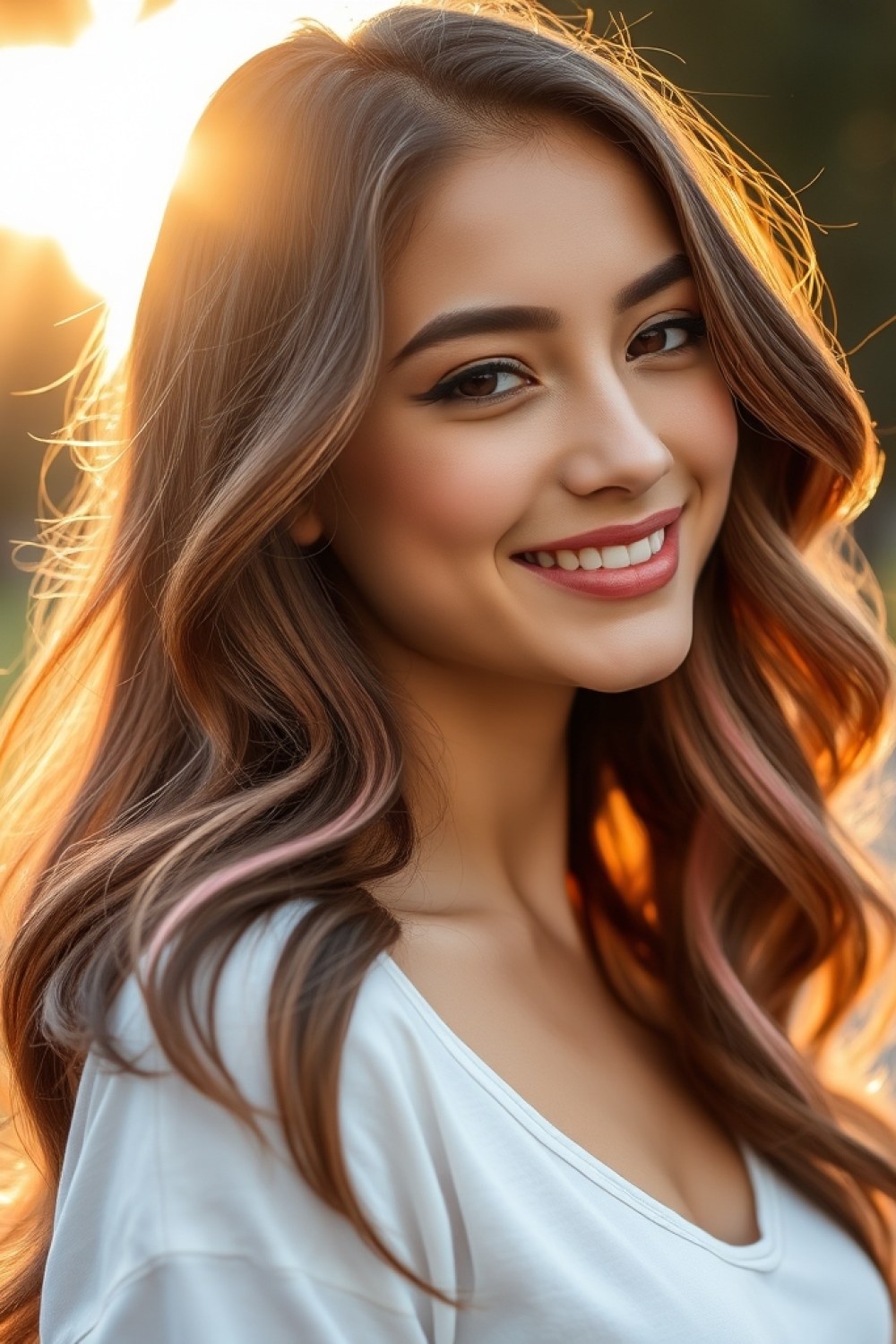
Best for: busy people who want pink but can’t book salon appointments every six weeks.
Babylights are ultra-fine, densely woven highlights, and in soft pink they give the whole head a hazy rosy glow with zero visible stripes. Because the pieces are so thin, regrowth and fading are invisible—new brown hair blends straight into the pink, and the pink softens into a rose-blonde as it washes out. It’s the lowest-maintenance way to go pink on brown, full stop.
Try this: Request pink babylights through the crown and mid-lengths, skip the roots, and refresh at home every couple of weeks with a rose-toned color mask.
11. Pink Underlights
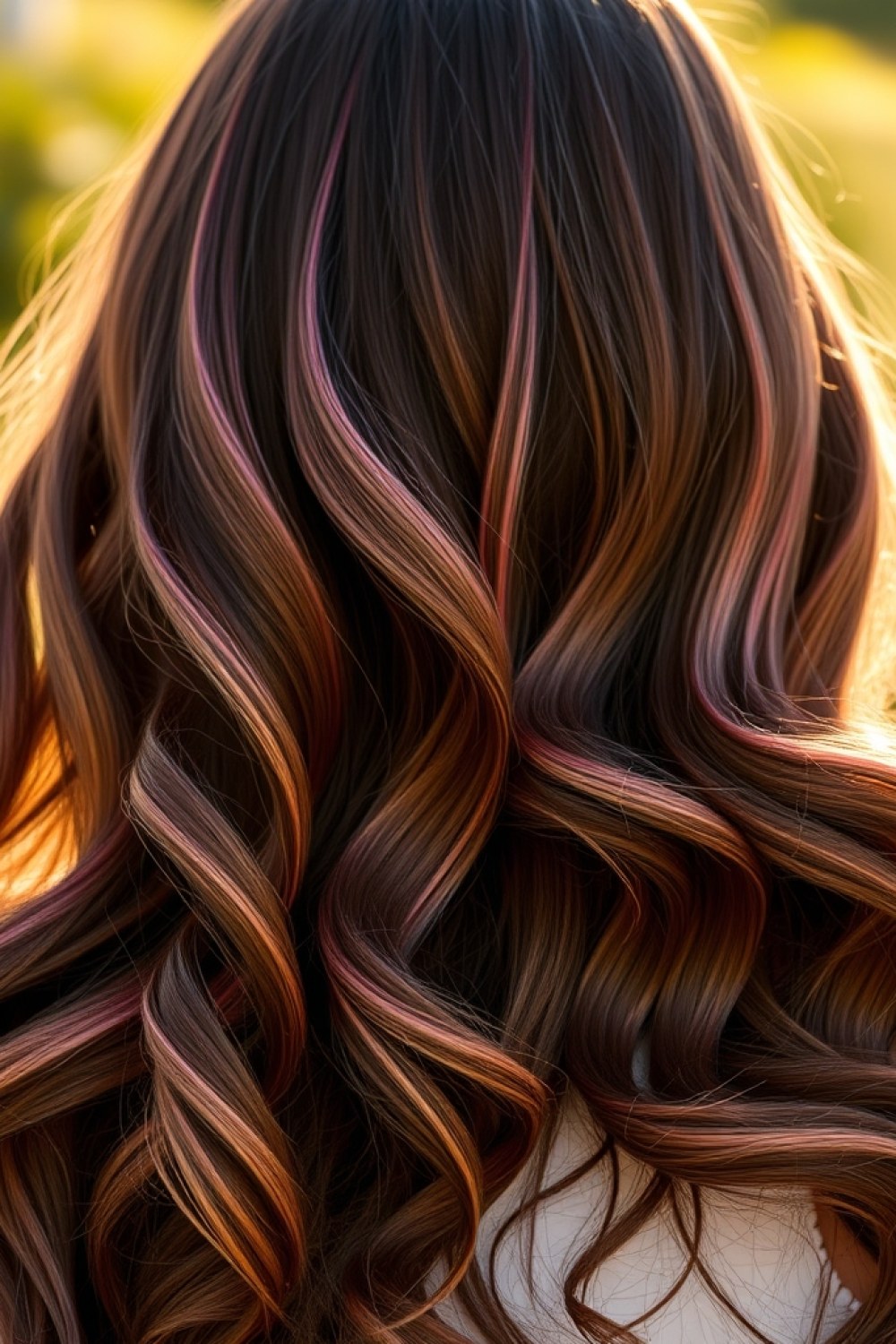
Best for: anyone who needs office-appropriate hair on Monday and something loud on Saturday night.
The entire underlayer—everything below your part line—gets saturated in pink while the top layer stays your natural brown. Hair down, you’re a brunette; hair up in a ponytail or messy bun, a hot pink flash drops out the back. Use a vivid magenta or hot pink for real contrast, since a soft shade will vanish against the shadow of the top layer.
Try this: Ask your colorist to section ear-to-ear and color only the bottom half, then style with a high pony and a texturizing spray so the pink pops.
12. Pink Dip-Dye
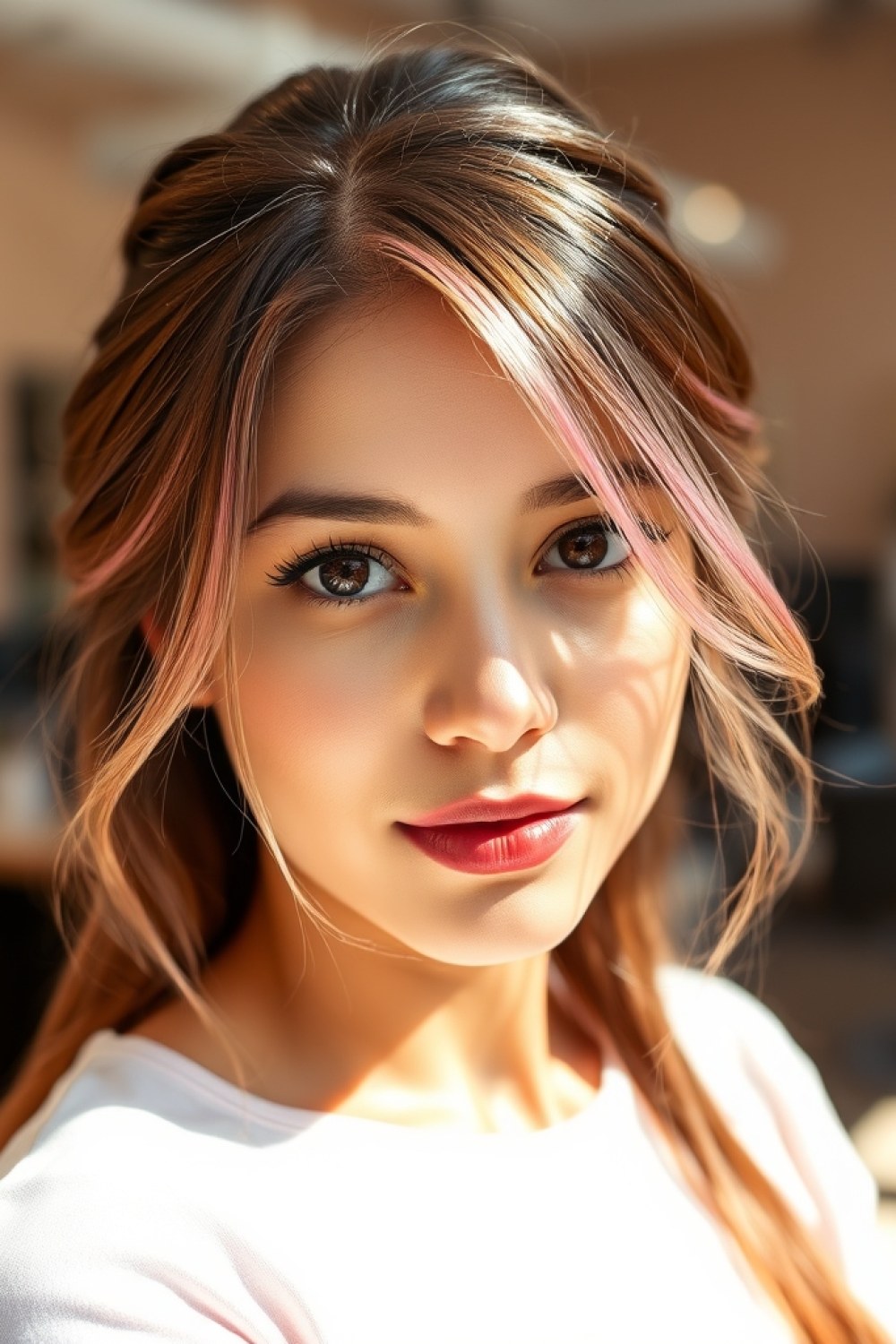
Best for: bold, graphic-loving types who don’t mind salon visits every 6-8 weeks.
This is a hard horizontal line where your brown ends and the pink begins, usually about 3-4 inches from the tips. The blunt demarcation is the whole point—no blending, no gradient, just clean contrast in a hot pink or fuchsia. The catch is upkeep: that crisp line grows out fast, so you’re trimming or re-dyeing the ends constantly.
Try this: Have your colorist paint the ends freehand for the sharpest edge, then book a dusting trim every 6-8 weeks to keep the line sitting where you want it.
13. Pastel Pink on Light Brown
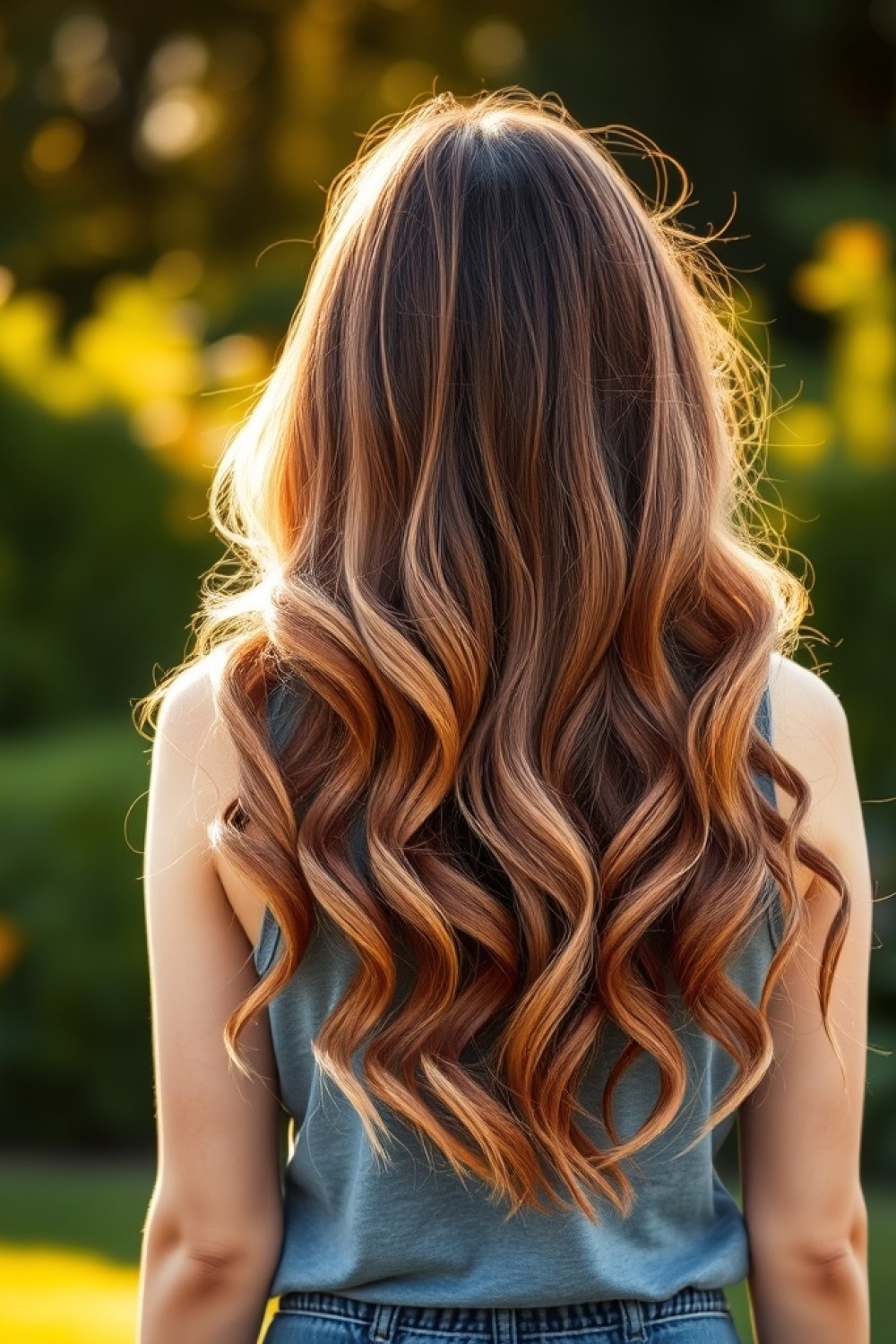
Best for: anyone with light brown hair who wants to dip a toe into pink without a huge commitment.
Because light brown sits only a few levels away from blonde, it lifts quickly and evenly, which means pastel shades actually show up instead of muddying. A diluted pink dye — think one part color to three parts conditioner — gives you that soft cotton-candy shade, and leaving your roots brown keeps the regrowth line invisible for months.
Try this: ask your stylist for a partial balayage or a few face-framing foils, then tone with a pastel pink gloss.
14. Pink Highlights for Curly Hair
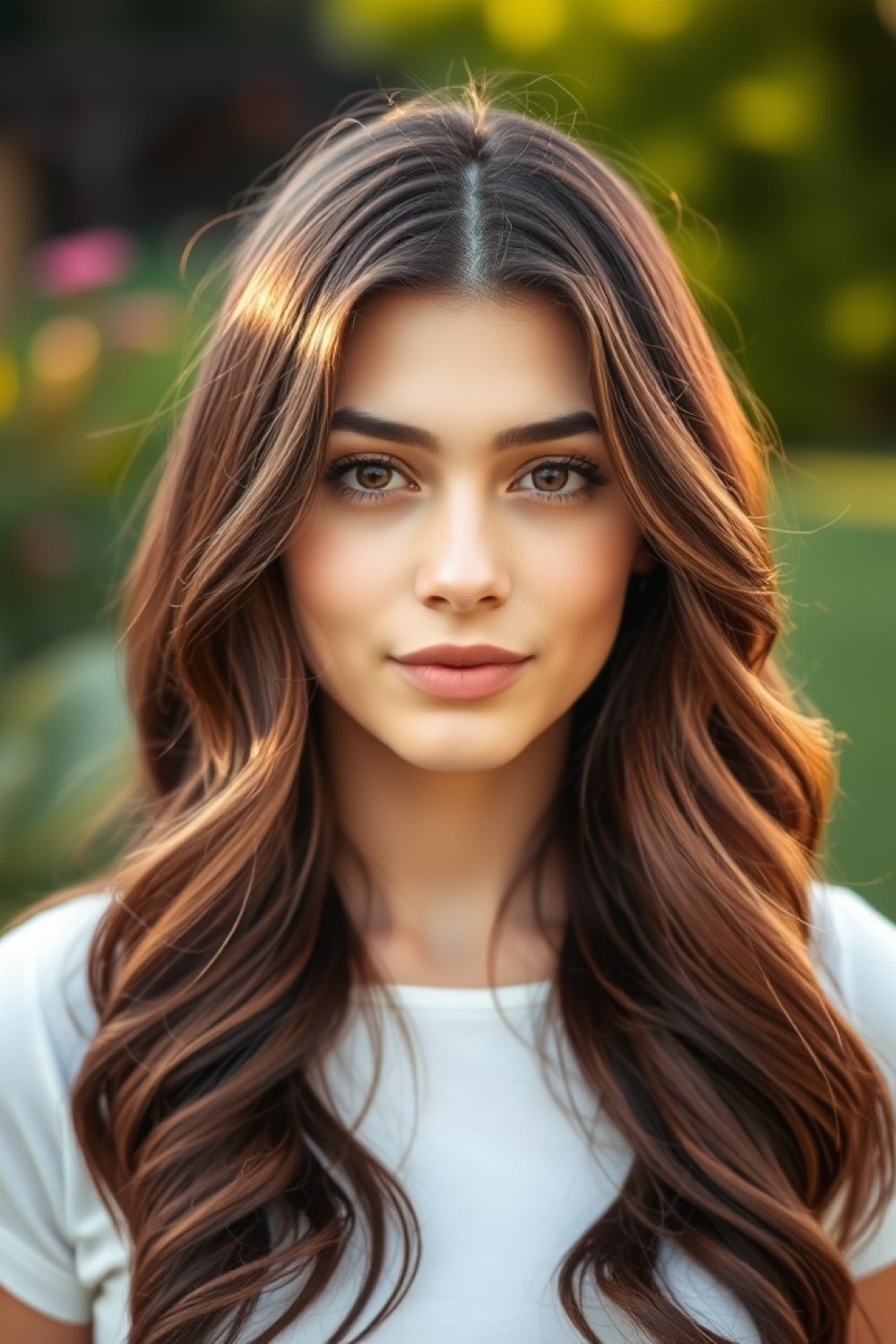
Best for: curlies and coilies who want color that moves with their texture.
Pink in curly hair is genuinely magic — every coil catches light at a different angle, so the shade shifts as you turn your head. The catch is moisture: lightening already dries the cuticle, so a moisturizing, ammonia-free pink dye (or a color-depositing mask like Overtone) keeps curls springy instead of crunchy.
Try this: paint color onto four or five standout ringlets near your face rather than the whole head, then deep-condition weekly.
15. Pink and Caramel Blend
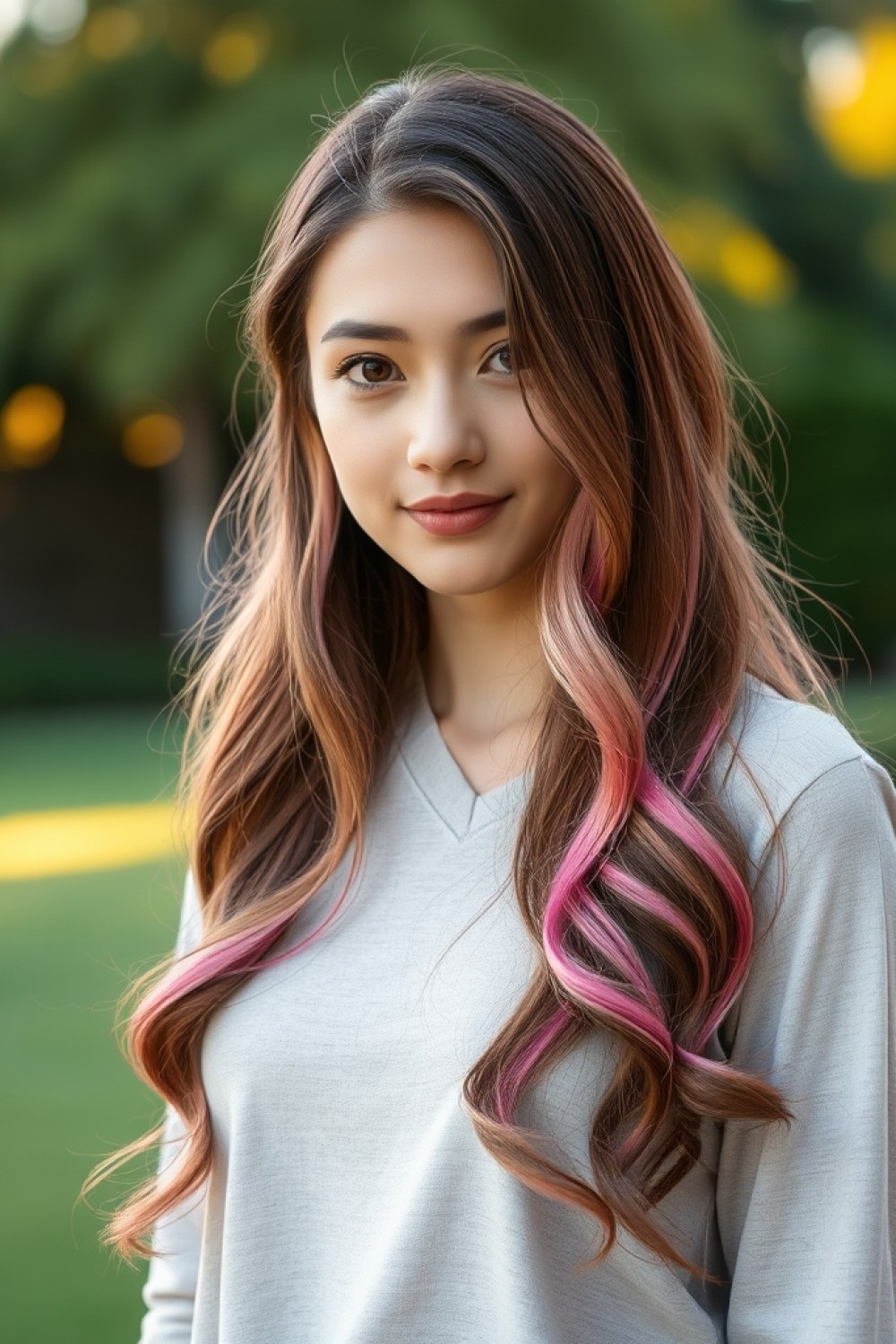
Best for: medium brown hair that wants richness and playfulness at the same time.
Caramel highlights add warmth and depth; pink adds the wink. Together they read as a sunlit, multi-dimensional brown from across the room, with the pink really popping in direct light — which is exactly why this combo is so wearable at work. The two tones need to be woven, not blocked, or you’ll get stripes.
Try this: request a balayage with caramel through the mid-lengths and a lighter rosy pink melted through the ends.
16. Neon Pink Accents
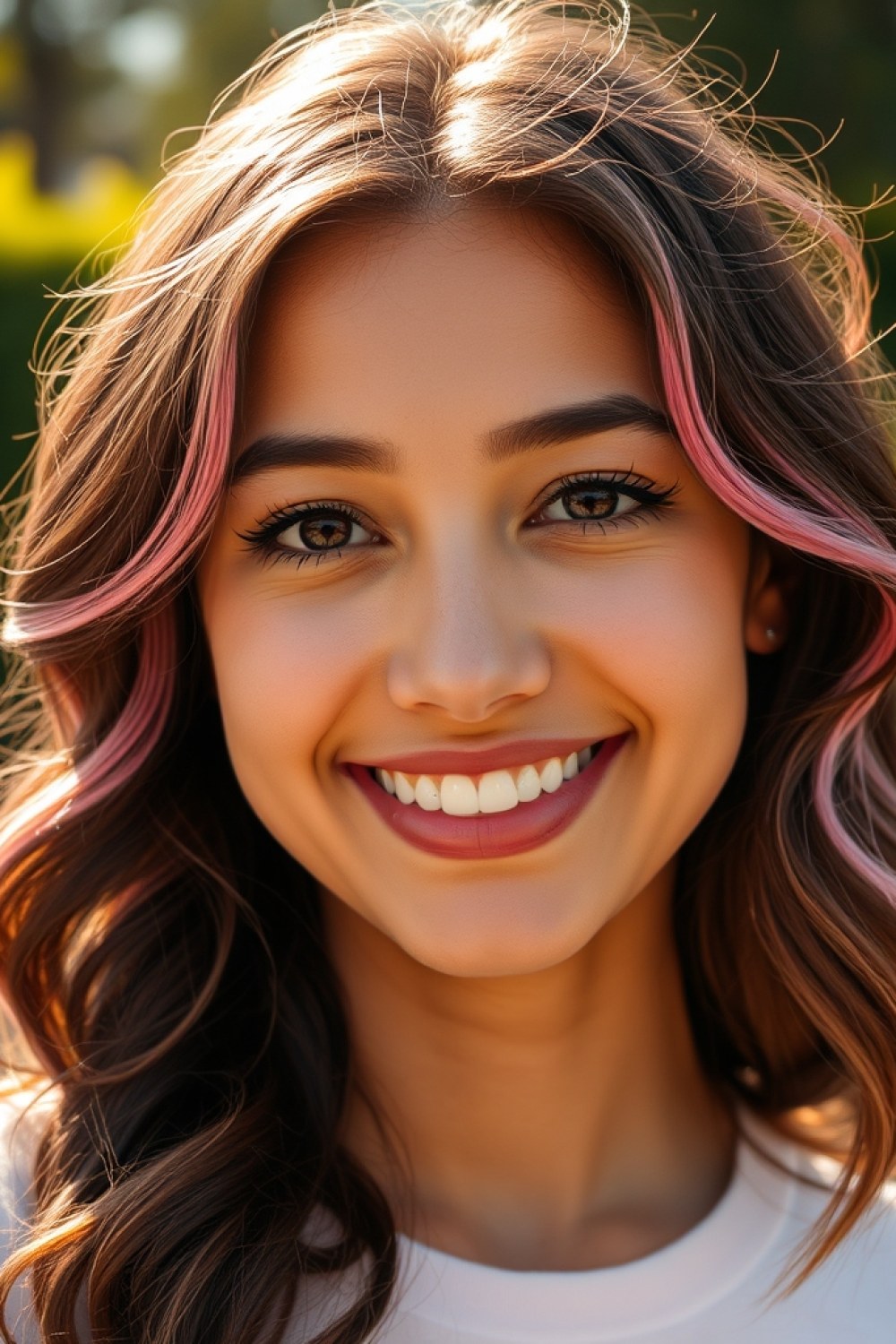
Best for: the bold — and anyone who loves a surprise when they flip their part.
A handful of neon pink foils scattered through dark brown creates a flickering, high-contrast effect that no subtle pastel can match. Neon reads brightest against deep brown, and UV-reactive formulas glow under blacklight for festival season. Straight hair keeps the lines crisp and graphic; on curls it gets buzzy and loud.
Try this: place two or three foils on the underlayer so the neon peeks out only when you move.
17. Pink Ombré on Short Hair
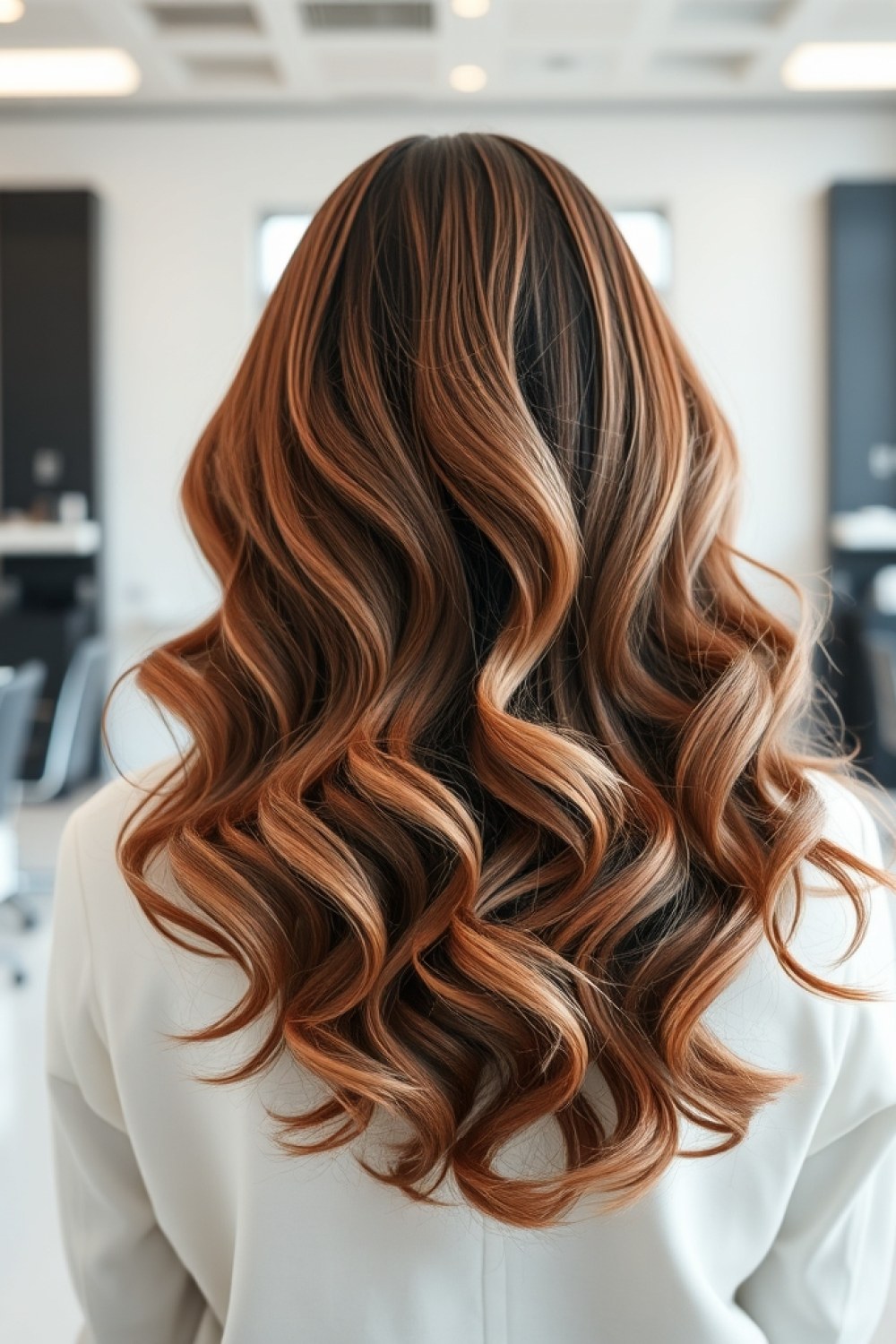
Best for: short bobs, lobs, and pixies that want an edge without a full commitment.
Short hair is the fastest canvas for ombré because the gradient happens over inches, not feet — you can go from brown to pink in a single appointment, and grow it out in a couple of months. Keeping the pink concentrated at the tips means your roots stay healthy and the fade looks intentional, not neglected.
Try this: finish with a texture spray and scrunch with your fingers for a messy-chic, piecy finish.
18. Pink Highlights on Ash Brown
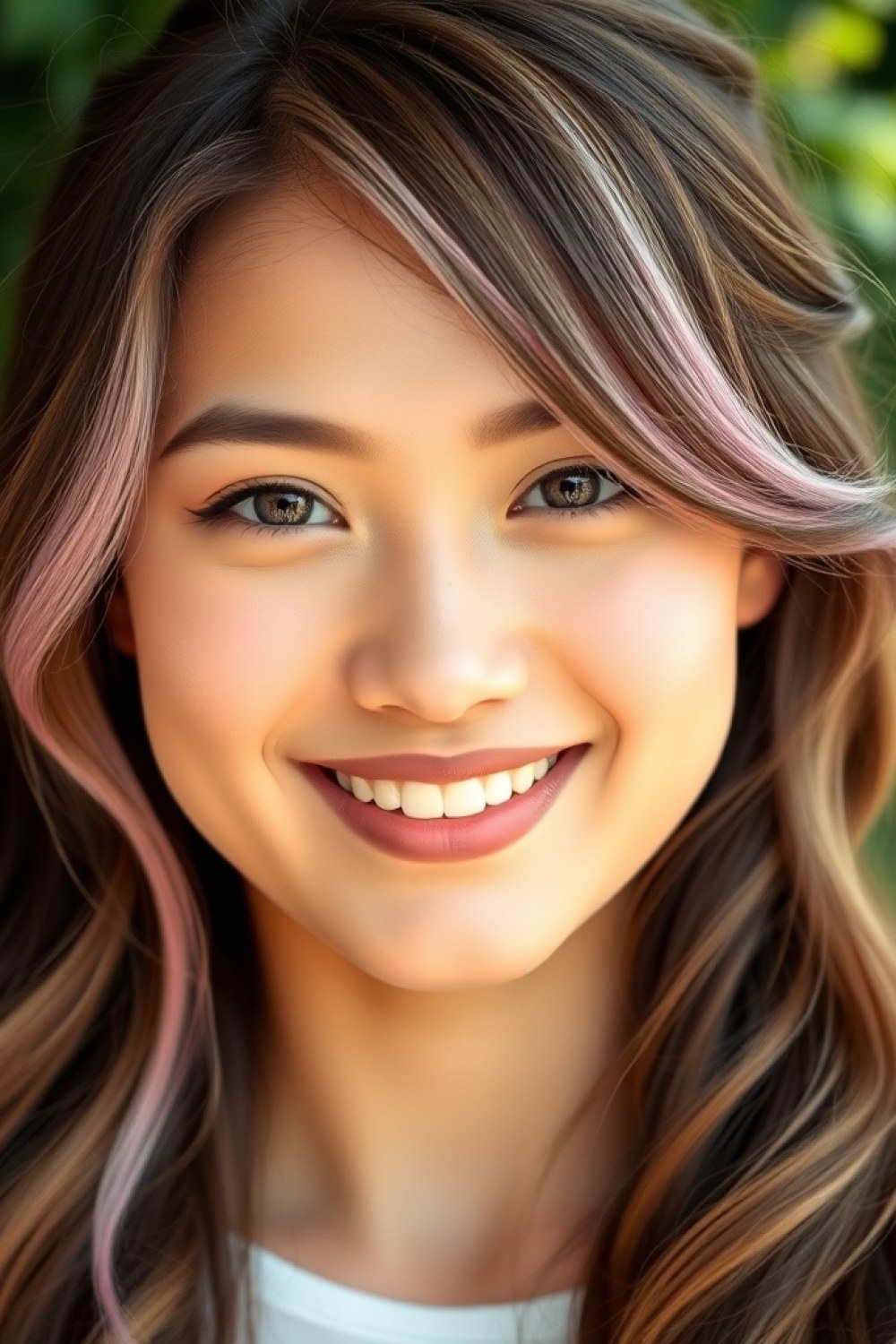
Best for: cool-toned brunettes who don’t want anything warm or golden.
Ash brown is all cool undertones, so warm, coral-leaning pinks clash against it and can turn brassy fast. Stick to cool pinks — mauve, dusty rose, or a smoked-out rose gold — and the result is a sophisticated, slightly smoky pink that looks expensive rather than playful. This pairing is subtle enough for conservative workplaces.
Try this: bring a mauve or dusty-rose swatch to your consultation and ask for a cool toner to seal the finish.
19. Pink and Blonde Mix
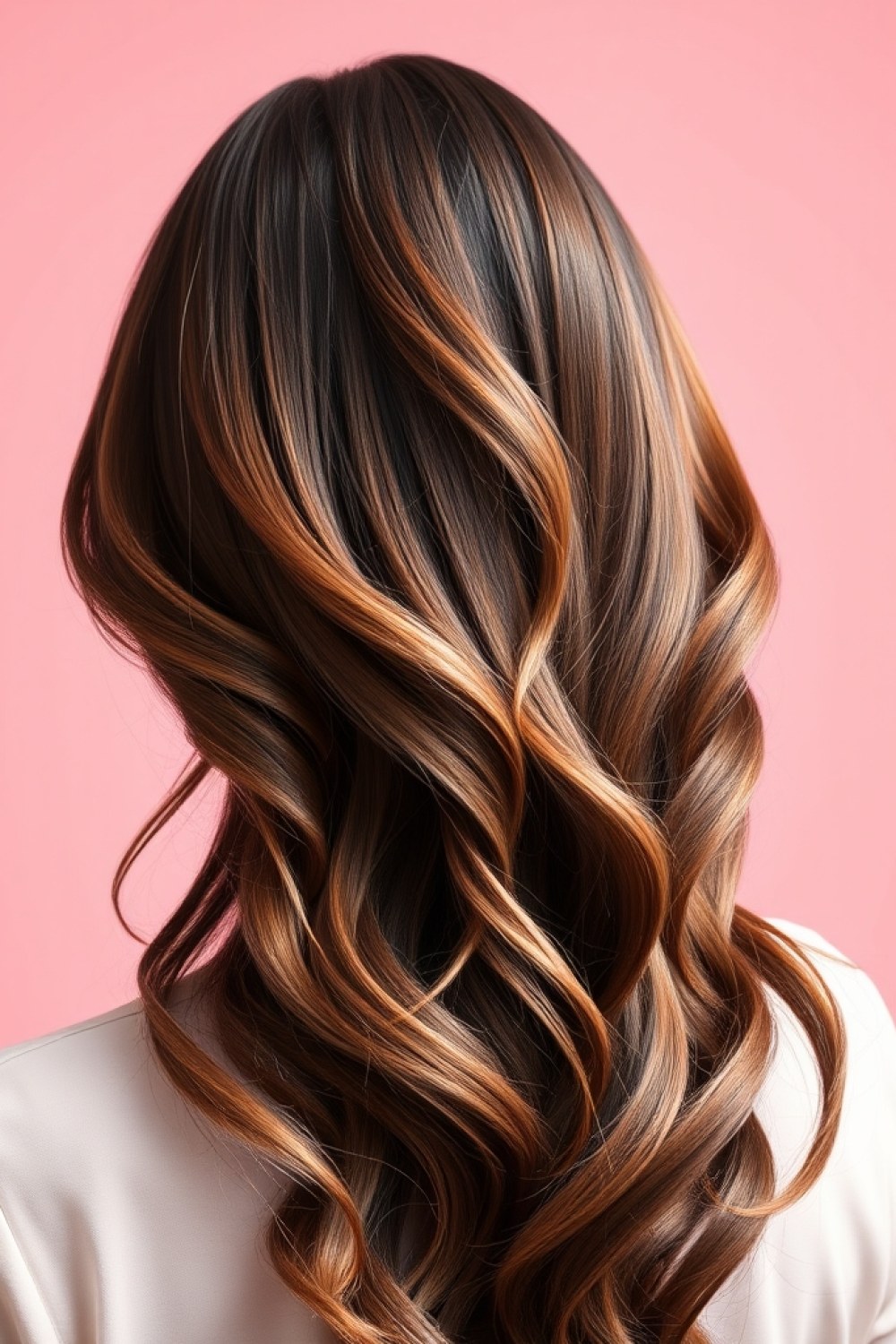
Best for: brunettes who already have blonde in their hair or want to get there without committing to full platinum.
Blonde highlights lift your brown base first, then pink gets painted over select pieces so the two tones melt into each other instead of sitting in stripes. A balayage approach works best — hand-painted sweeps leave soft roots and let the pink fade gradually into the blonde. Many colorists charge the same as a standard balayage, so ask before you book.
Try this: ask for a warm blonde (not ash) so the pink doesn’t turn muddy, and request a bond-builder like Olaplex in the lightener to protect finer strands.
20. Pink Highlights on Long Layers
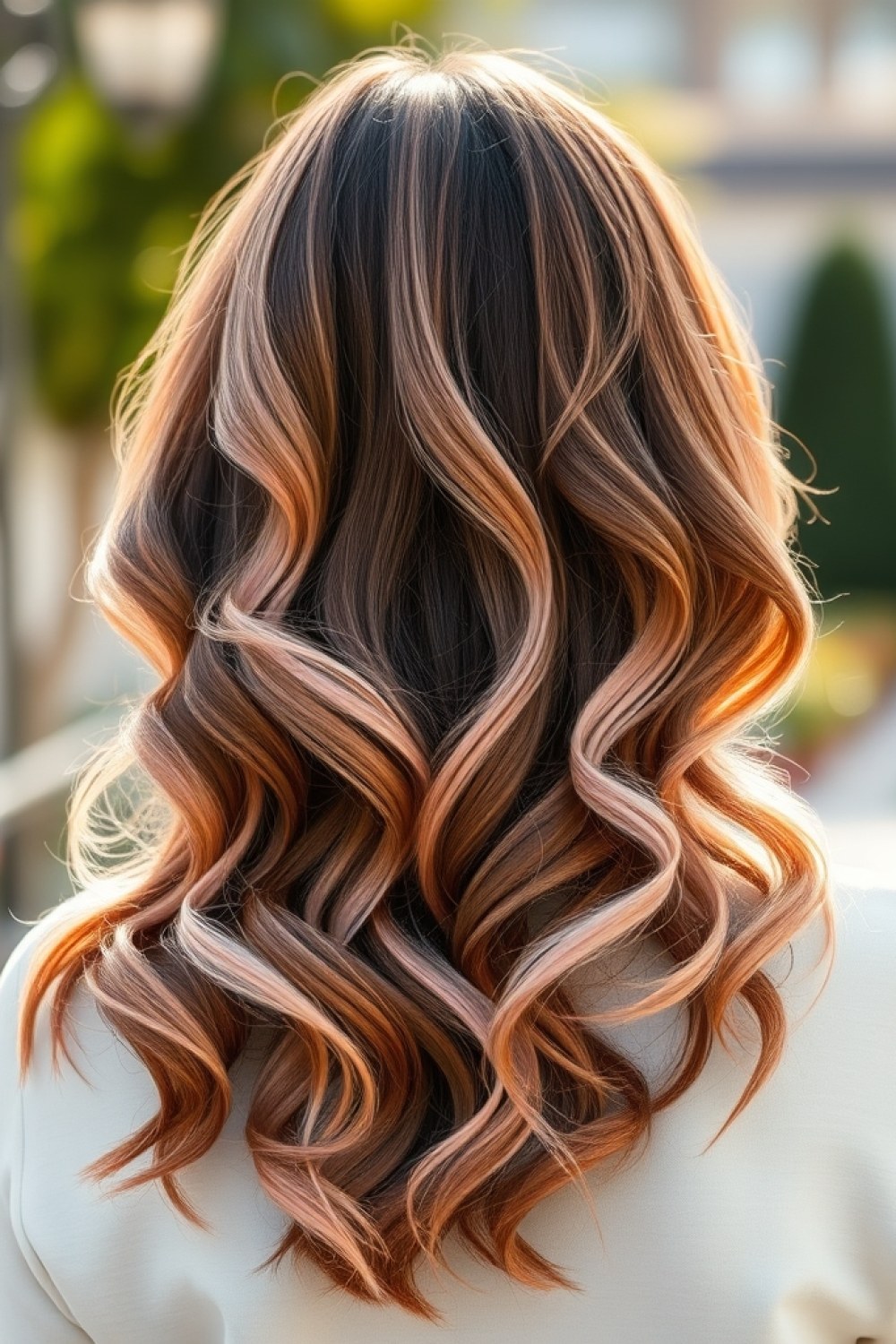
Best for: anyone with hair past the collarbone who wants movement and a color that shifts as it swings.
Long layers give your stylist room to scatter pink in different widths — fine ribbons near the face, thicker chunks through the mid-lengths — so the eye keeps traveling. That mix of fine and thick pieces is what creates depth; uniform highlights read flat. Because the pink sits on layered pieces, it catches light every time you move your head.
Try this: book a partial highlight if you only want pink through the top and front layers, and ask for a trim first so split ends don’t dull the new tone.
21. Pink Gloss Over Brown
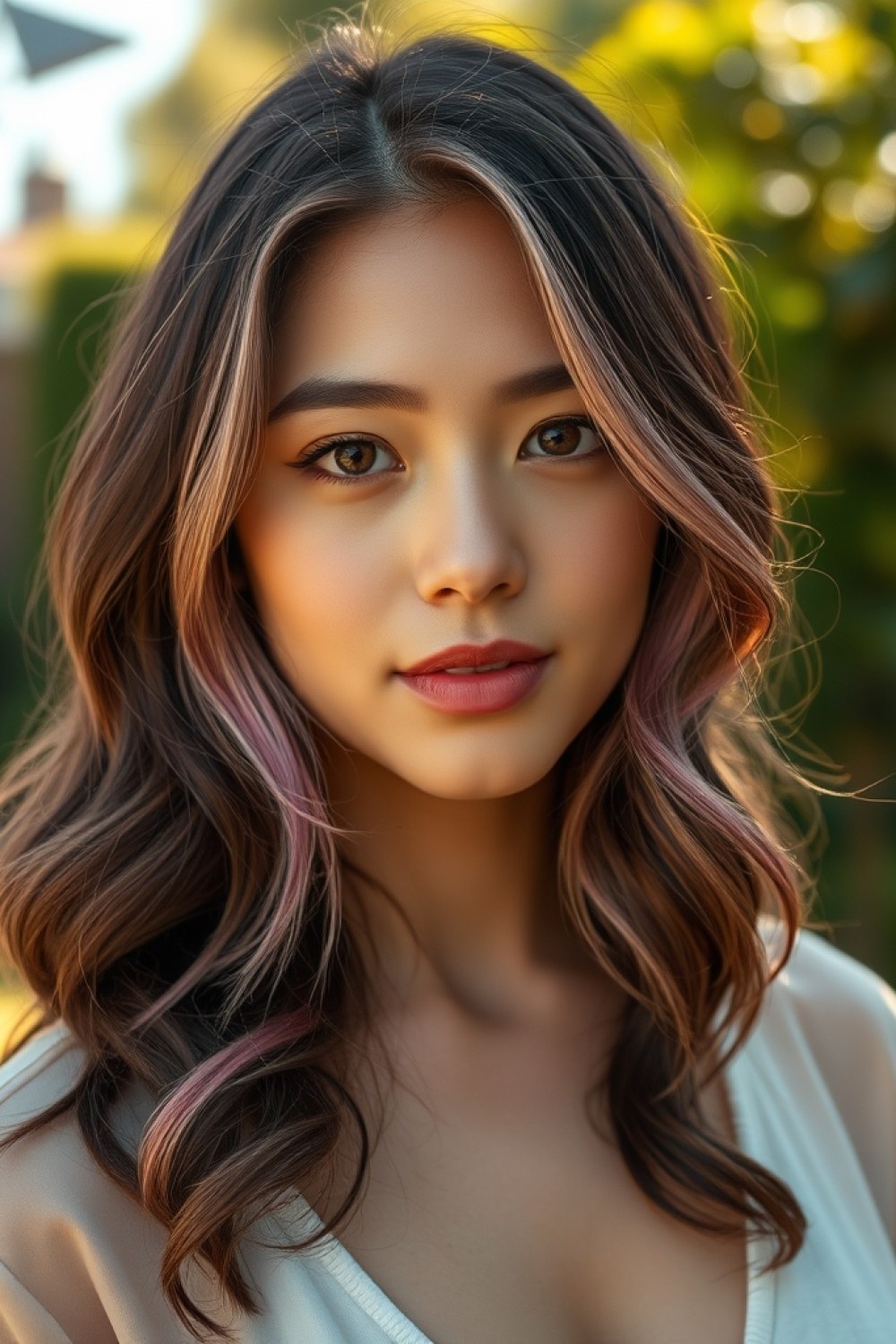
Best for: the cautious brunette who wants to test pink without lightening or long-term commitment.
A gloss isn’t a highlight — it’s a translucent wash deposited over your whole head, so brown picks up a pink sheen rather than distinct streaks. Rose gold and pinkish glosses are the safest picks; they flatter warm skin tones and fade out in about four to six washes. It also layers beautifully over existing highlights for a subtle pink flash.
Try this: ask your salon for a custom gloss, or use a tinted conditioning mask at home — apply to damp hair, leave 15 minutes, and check the tone before rinsing.
Frequently Asked Questions
Will pink highlights damage my brown hair?
Any pink that requires lifting your natural brown involves some damage, because lightening breaks bonds inside the hair shaft. A skilled colorist minimizes it by using lower-volume developers, keeping the lightener off your roots where possible, and adding a bonding treatment like Olaplex No. 1 into the mix. If you go the deposit-only or gloss route, damage is close to zero since there’s no lifting involved. Before you commit, ask for a strand test and a clear aftercare plan — that’s your best protection against surprise breakage.
How long do pink highlights last on brown hair?
Pink is a fashion color, which means it fades faster than natural shades — think of it as a temporary guest, not a permanent resident. Vibrant hot pinks typically hold for 4-6 weeks, while pastels and soft rose tones may only last 2-3 weeks before washing out. Color-safe shampoo, cooler water, and limiting heat styling all help stretch the color. A color-depositing conditioner in pink (like a pigmented mask used once a week) is the easiest way to refresh between salon visits without a full re-do.
Can I get pink highlights without bleaching my brown hair?
It depends entirely on how light your brown is. If you’re at a level 7 or above — a medium-light brown — a deposit-only pink dye can show up without any bleach, especially on the ends where hair is naturally lighter. For darker browns at levels 3-5, you’ll need at least a minimal lift for the pink to register, otherwise it’ll just look like a muddy tint. A good colorist will assess your level, check for previous color, and tell you honestly whether a bleach-free approach will actually work on your hair.
What shade of pink looks best on warm skin tones?
Warm skin tones — those with golden, peachy, or olive undertones — look gorgeous with peachy pinks, coral, rose gold, and warm raspberry. These shades harmonize with your natural warmth instead of fighting it. Cool-toned pinks like fuchsia, magenta, or icy baby pink can look jarring against warm skin unless you balance them with a warmer root shadow. A colorist can hold swatches against your face in natural light to find the exact pink that makes your complexion glow rather than wash out.
How much do pink highlights cost?
Prices swing widely depending on your city, the salon’s reputation, and the technique used. A partial highlight with pink might start around $100-$150, while a full balayage with pink accents can run $200-$400 or more. Add-ons like a bonding treatment, toner, or gloss usually cost extra. The smartest move is booking a consultation first — many salons offer them free — so you get an accurate quote before anyone mixes a single bowl of color.