
24 Fall Hair Color Ideas That Look Stunning This Season


Ready to switch up your hair color for fall? These 24 ideas—from glossy chestnut to smoky mocha—are wearable, low-maintenance, and designed for real life.
Every shade here was chosen to flatter a real skin tone and work with a real base color, whether you’re a natural brunette, a grown-out blonde, or covering grays. You’ll get the technique behind each look—balayage, gloss, face-framing money piece—plus how long it lasts and what it costs to maintain. No costumey pumpkin orange, no shade that only looks good on a salon camera.
Each entry tells you who it suits, how to ask your stylist for it, and the upkeep to expect between appointments. Bring this list to your consultation and you’ll leave with a color you can actually keep up with.
What You’ll Need Before You Book
- Your current base color and any box-dye history
- Two or three inspiration photos in your budget range
- A realistic upkeep plan—time and cost per visit
- One clarifying wash before your appointment
- Purple or blue shampoo, depending on your warmth
1. Glossy Chestnut All-Over Color for an Instant Rich Base
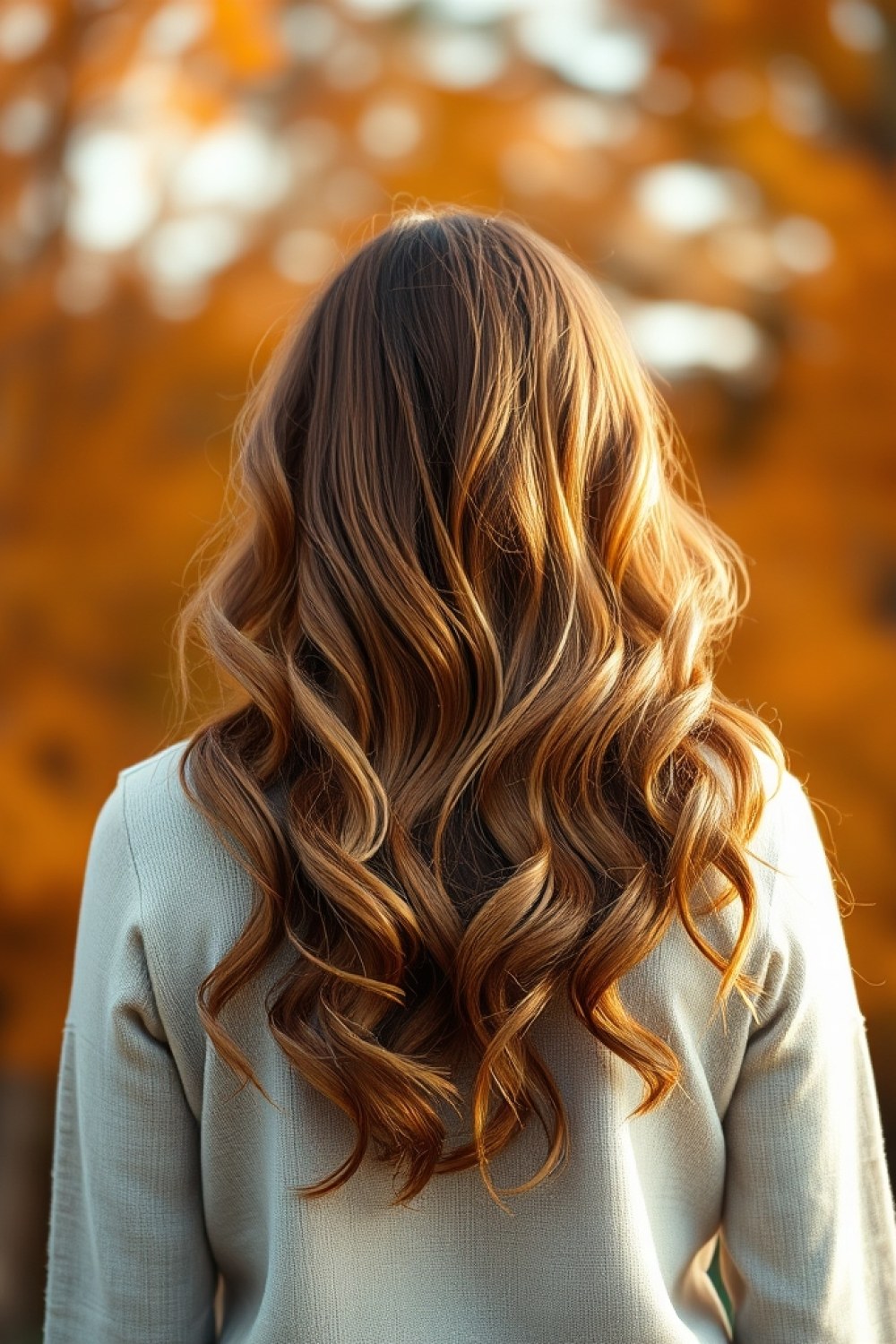
This is a single-process color that deepens your base and layers in warm chestnut reflect without any highlights. Medium brown hair takes it best, because the natural pigment already sits close to chestnut—so the color reads rich rather than flat. The shine comes from a demi-permanent gloss, which coats the cuticle and fades slowly instead of leaving a hard line.
It suits anyone who wants dimension-free depth and doesn’t want to sit for a foiling service. Because there’s no lightener, the upkeep is genuinely low: you’re refreshing tone, not retouching roots.
Ask your stylist for a demi-permanent gloss in a chestnut shade and book a refresh every 6 to 8 weeks. Add a shine serum to damp ends to stretch that glass-like finish between appointments.
2. Chocolate Cherry Face-Framing Money Piece for a Subtle Pop
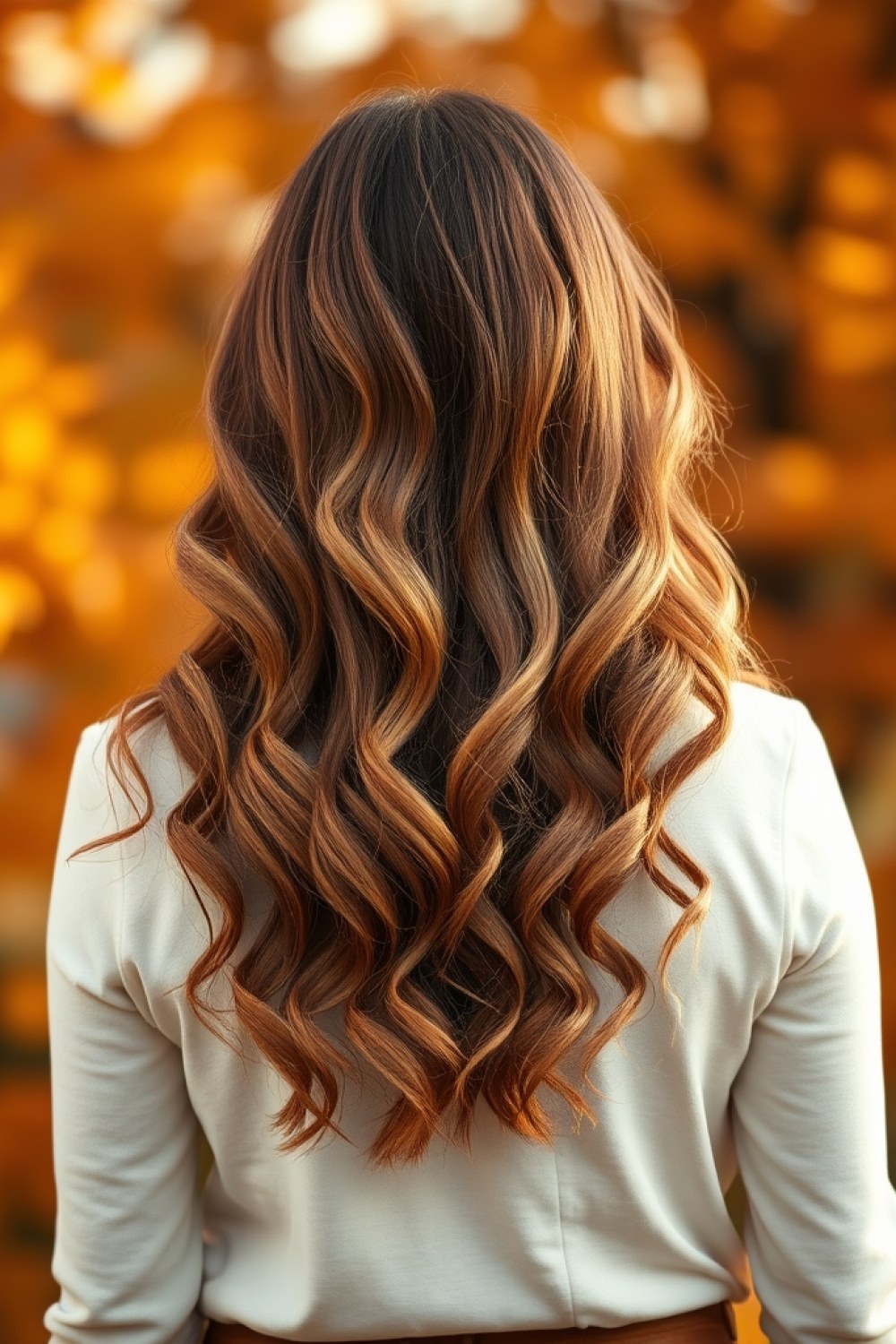
A money piece is a brighter section of color framing the face, and cherry red is the fall version that stays wearable. You keep a rich chocolate base and let the cherry sit only where light hits—around the temples and jawline. It gives contrast without committing your whole head to red.
The trick is placement. Keep the color about 1 inch back from the hairline so the growth line stays soft and you don’t get a harsh stripe within a week. Oval and heart face shapes carry this best, since the brightness draws the eye horizontally across the face.
Bring a photo and ask specifically for a face-framing placement, not full highlights. Then use a color-safe shampoo so the cherry doesn’t dull before your next visit.
3. Maple Balayage on Dark Brown for a Sun-Kissed Fall Transition
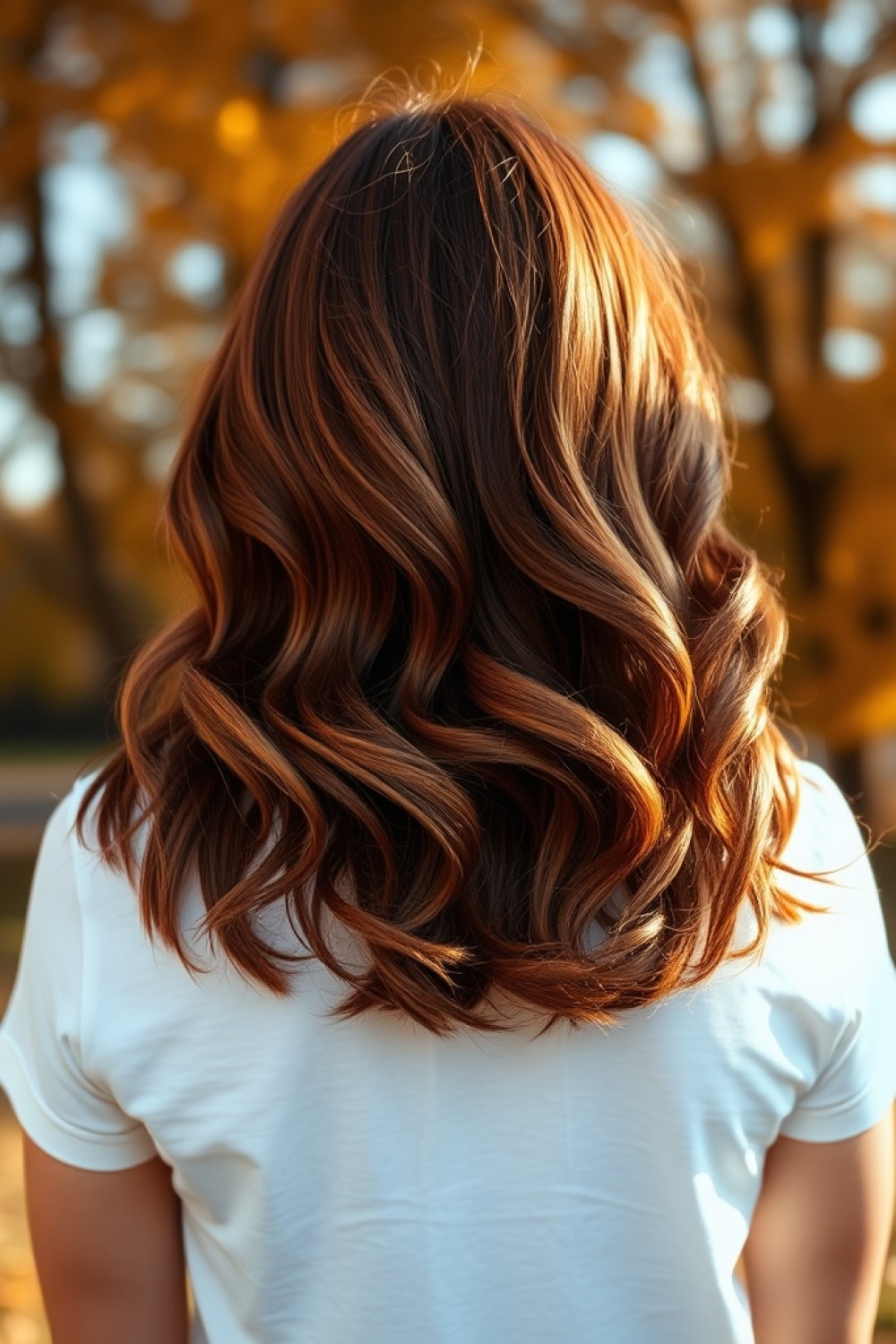
Maple is a warm golden-brown, and it flatters almost every skin tone because it isn’t ashy or over-bleached. Your stylist hand-paints it through the mid-lengths and ends, leaving roots dark, then tones everything with a gloss for a melt that has no visible stripes.
It’s the natural landing spot if you’re growing out summer blonde, since balayage lifts gradually rather than all at once. The dark base keeps it seasonal and grounded instead of beachy.
Ask for balayage from mid-length to ends plus a gloss toner, and request a warm—not ashy—toner so the maple doesn’t turn muddy. Wash with lukewarm water to hold the warmth longer.
4. Toasted Coconut Bronde for a Lived-In, Low-Maintenance Look
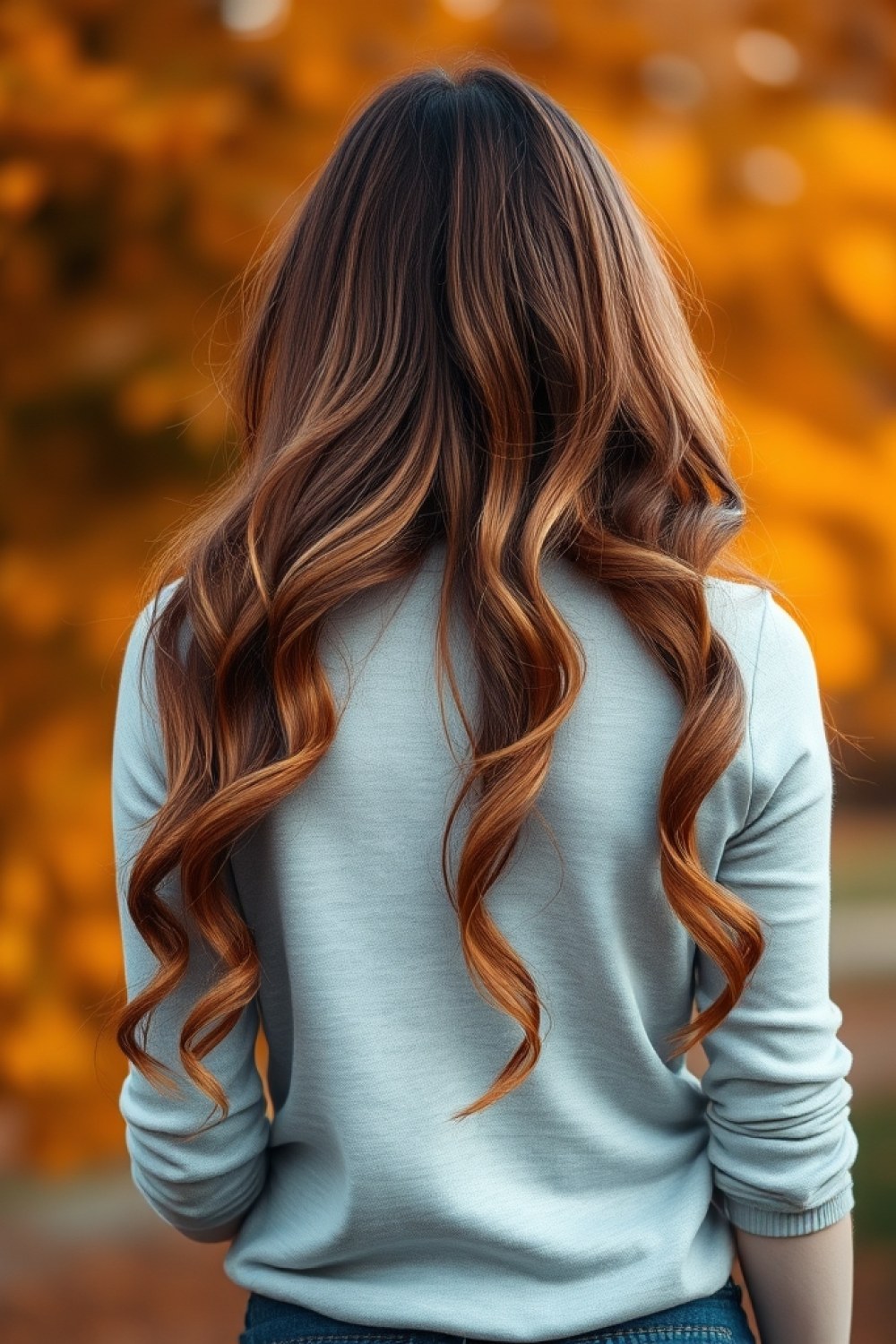
Bronde lives between brown and blonde, which is exactly why it works for fall—it reads light without going fully blonde, and it never looks costumey. The toasted coconut version leans warm and neutral, catching light at the ends and staying soft at the root.
What makes it low-maintenance is the shadow root. Your stylist keeps the base darker and hand-paints soft highlights through the lengths, so regrowth blends rather than announcing itself. That means 10 to 12 weeks between appointments instead of the 4 to 6 a full blonde demands.
Ask for a shadow root with soft hand-painted highlights, and be clear you want it lived-in, not solid. Skip hot tools on damp hair to keep the tone from fading.
5. Copper Penny on Auburn Base for a Bold, Glowing Statement

Copper penny is a bright, warm orange-red, and it glows hardest when it sits over a natural auburn base. For real redheads or anyone with warm undertones, a copper gloss over that base creates near-mirror shine instead of the dulling you get from lifting red hair.
This is a statement color, but it stays in season because the warmth mimics the copper of turning leaves. Cool or very pink undertones should test it first—copper amplifies warmth and can pull sallow if your skin runs cool.
Have your stylist apply a copper gloss over your existing auburn, then keep it vivid with a color-depositing copper mask once a week. That single habit is what stops the shine from fading between visits.
6. Mocha Mousse Balayage on Black Hair for Dimensional Warmth
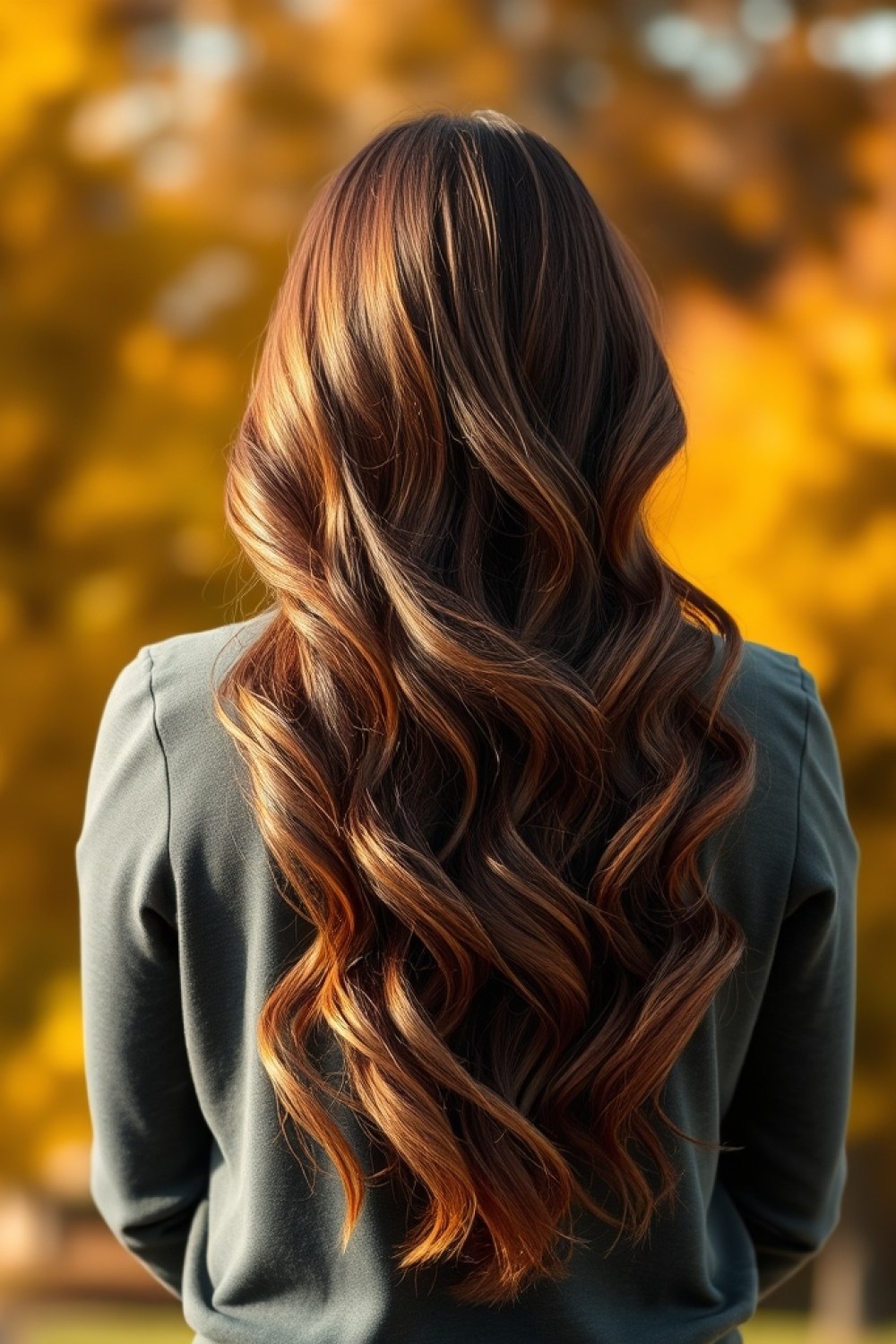
Mocha mousse is a cool-toned brown, and that’s the key—it lifts black hair a few levels without throwing orange or brass. Solid color on black tends to go flat or muddy, so the dimension here comes from balayage, painted through the lengths rather than boxed at the root.
After lifting, a cool-toned toner settles the color into a soft mousse brown and kills any warmth the lightener exposed. A shadow root hides the transition at the scalp, so your dark regrowth looks intentional instead of neglected.
Ask for balayage plus a cool-toned toner and a shadow root, and be honest that you want no brass. Use a purple or blue toning shampoo once a week to keep the cool cast.
7. Smoky Quartz Shadow Root for a Grown-Out, Edgy Vibe
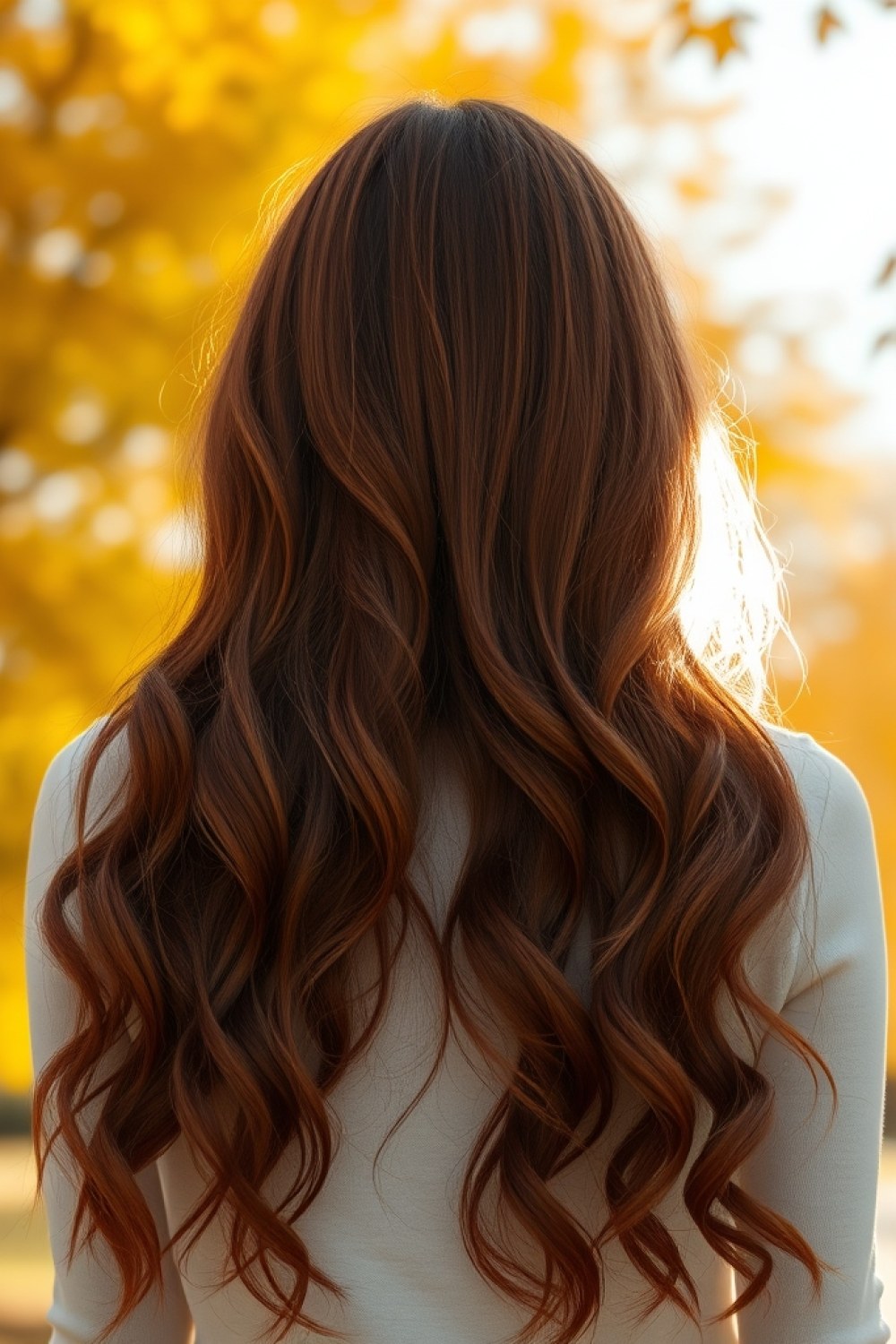
A smoky quartz shadow root is a grey-brown shade applied at the base, softer and cooler than a flat black root smudge. It blurs the line between your natural regrowth and lighter mids, so roots never look sharp or obvious as they come in. Pair it with a cool blonde balayage and the contrast reads intentional rather than accidental.
It works because the grey-brown tone sits close to most natural bases while staying cool enough to flatter ash and neutral blondes. That keeps the grow-out easy for months, no salon visit needed between appointments. It suits anyone who wants dimension but hates the monthly root touch-up cycle.
Ask your stylist for a shadow root one to two shades deeper than your base, melted into a cool balayage rather than applied as a hard band. Book a gloss refresh every ten to twelve weeks to keep the quartz tone from going flat.
8. Pumpkin Spice Blend for a Playful Seasonal Twist

Pumpkin spice is a custom mix of copper, cinnamon, and gold highlights woven through the hair, like the latte but translated to color. It’s warm and cozy without tipping into full orange. The three tones together keep it dimensional, so it never reads as a single flat shade.
It’s best on medium to dark bases, where the gold and copper lift away from the natural depth and pop. Ask for babylights rather than chunky foils — fine, densely packed sections that stay subtle and grow out softly. Anyone who wants seasonal warmth but works in a conservative office can wear this.
Wash with a color-safe, sulfate-free shampoo and cool water to slow the copper fading, and stretch your salon gloss to every ten to twelve weeks.
9. Cinnamon Stick Highlights on Medium Brown for Warm Dimension
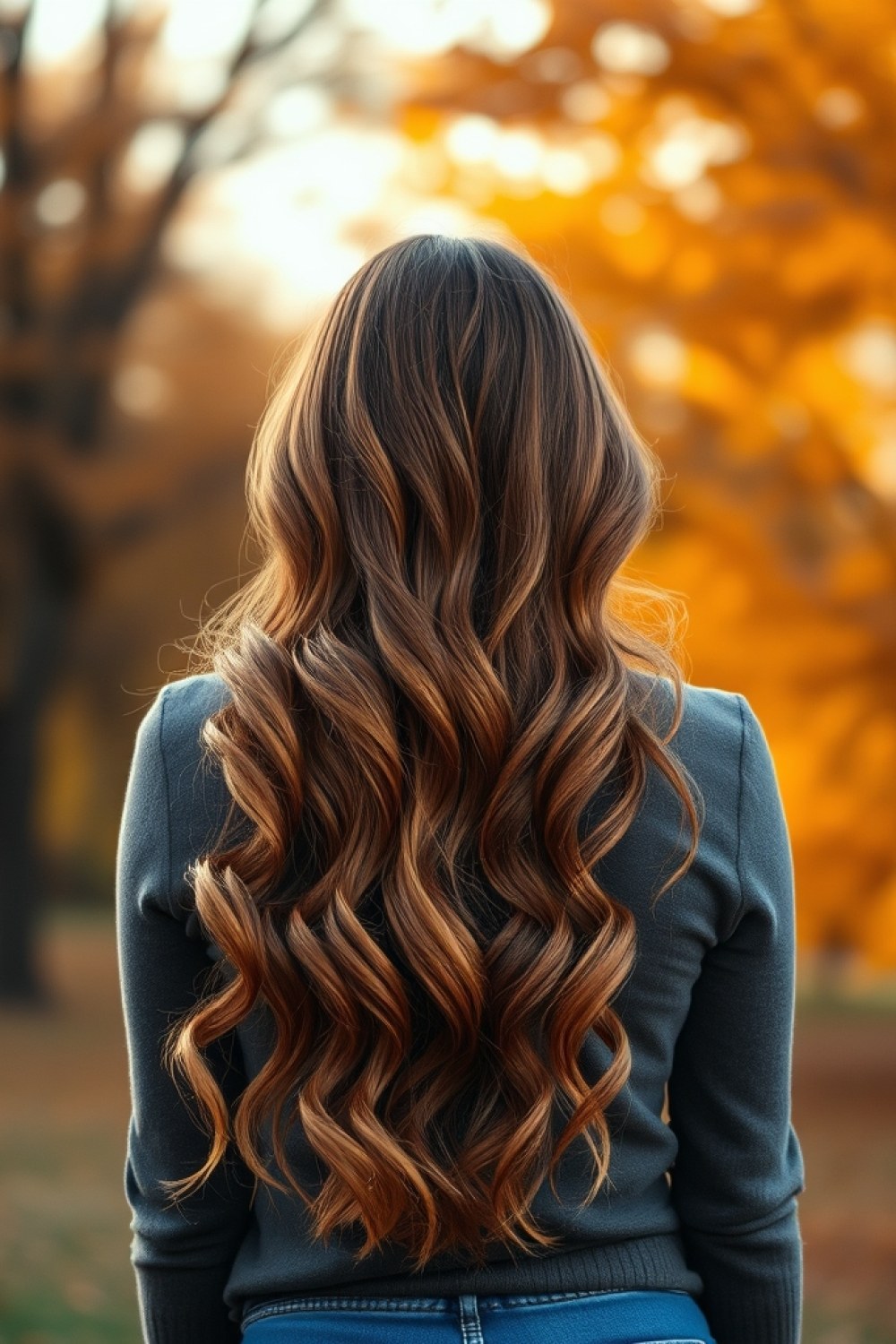
Cinnamon stick is a rich reddish-brown, warmer than chestnut but not as loud as copper. Painted through medium brown, it adds depth and shimmer without pushing you into full redhead territory. It’s a good bridge for anyone who wants warmth but fears looking brassy.
Request a balayage or foilayage with a cinnamon toner over the highlights, so the warmth sits on top of the lift rather than replacing your base. Green or hazel eyes pick up the red undertones and look brighter against them, which is why this shade flatters those eye colors so well.
Ask for the toner to be a demi-permanent so it fades gradually, and plan a refresh every eight to ten weeks to keep the cinnamon from dulling to brown.
10. Caramel Apple Balayage for a Juicy, Multi-Tonal Effect

Caramel apple balayage layers caramel, gold, and a whisper of red into one dimensional look, like the candy but subtler. The three tones catch light differently, so the hair moves and shifts instead of sitting flat. It’s warm, glossy, and very wearable on medium brown or dark blonde bases.
The technique matters here: ask for three custom-mixed tones painted in a V-shape down each section, which follows the natural fall of the hair and creates movement. Skip the V and you get stripes. It suits anyone who wants noticeable change without going lighter overall.
Keep it fresh with a clear or tinted gloss every eight weeks — that’s what maintains the shine and stops the caramel from turning muddy.
11. Dark Amber All-Over for a Deep, Velvety Finish
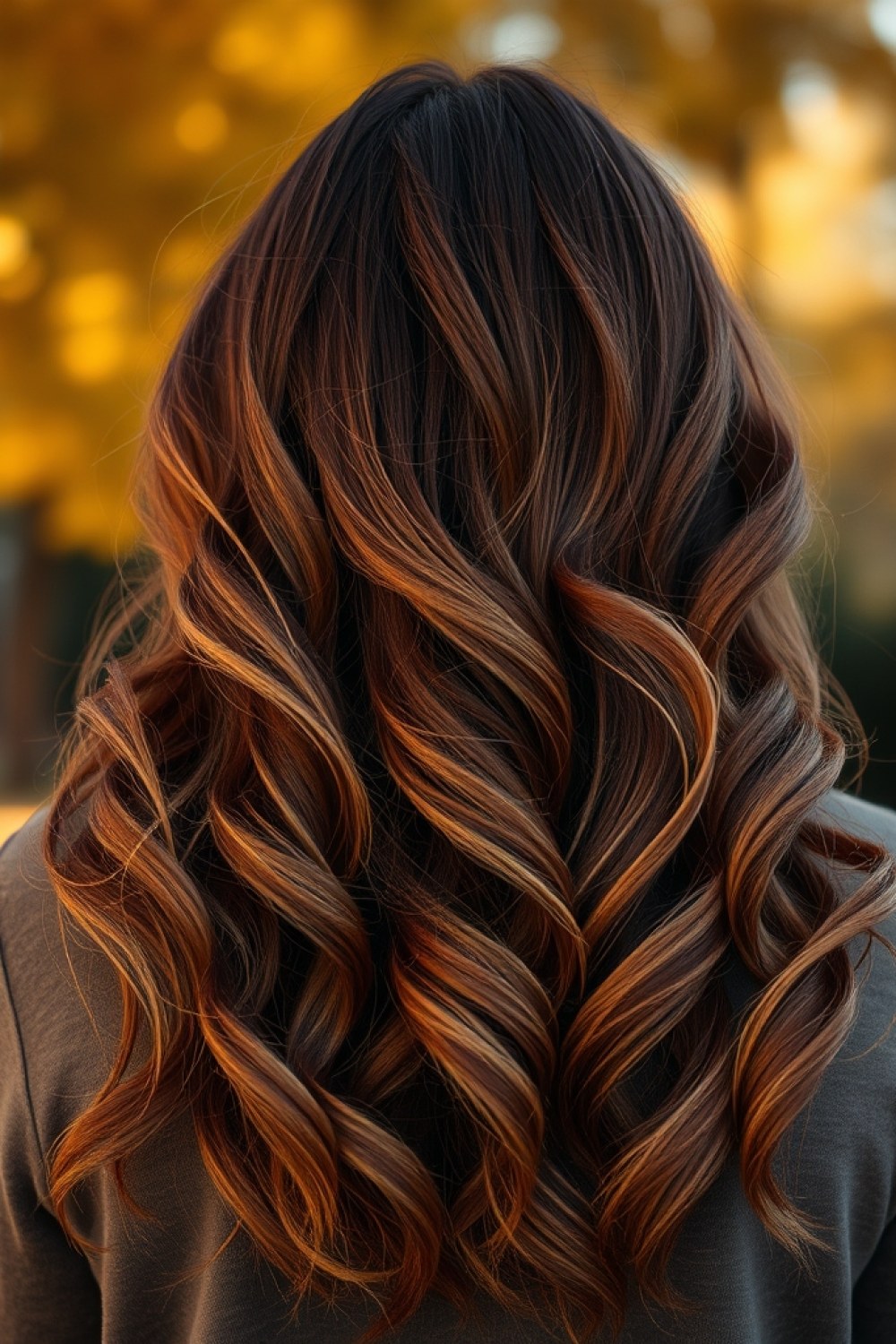
Dark amber is a brown built on amber undertones — rich, warm, and slightly golden when light hits it. Done as a one-process color, it coats the whole head evenly for a deep, velvety finish with no highlights at all. It’s the opposite of a high-maintenance dimensional look.
Because it’s single-process, it’s faster and cheaper at the salon, and the regrowth line is minimal since there’s no contrast to expose. The shine comes from the color reflecting light, not from foils. It’s ideal for anyone who wants depth and richness without a complex upkeep schedule.
Ask your stylist to add a gloss on top of the color for extra shine, and touch up regrowth every six to eight weeks to keep the amber undertone from fading warm.
12. Golden Hour Balayage for a Lit-From-Within Glow
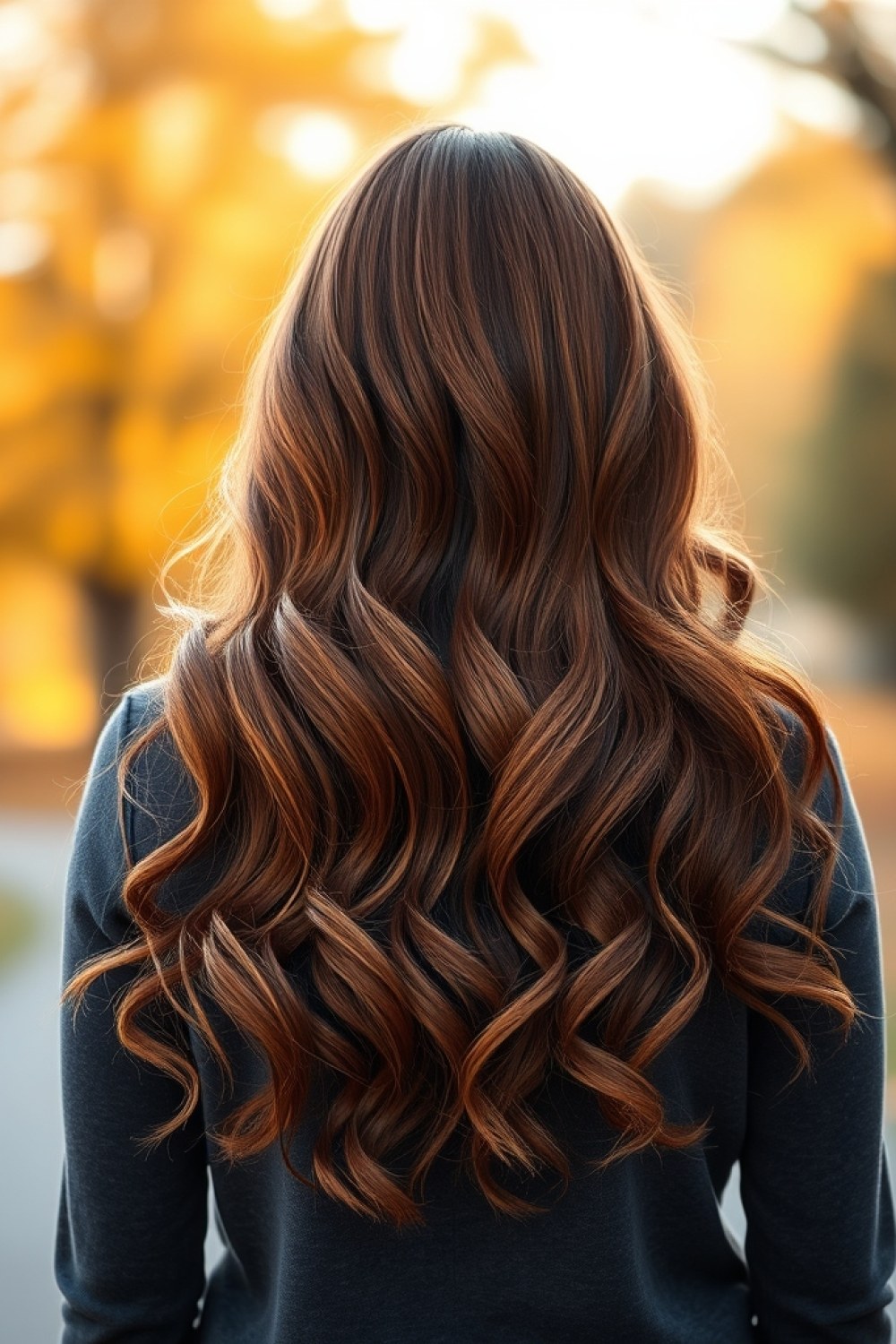
Golden hour balayage mimics that soft late-afternoon light — warm, radiant, and slightly hazy. It’s a golden-blonde balayage finished with a honey toner, so the highlights glow rather than glint. The effect is a lit-from-within warmth that reads natural in daylight.
It’s best on light brown bases, where the golden tone lifts cleanly and blends without a visible line. Ask specifically for a honey toner over the golden-blonde — it warms the shade and softens any yellow that develops during lifting. Anyone who wants brightness without going icy will love it.
Use a purple shampoo once a week to keep brass at bay, and book a toner refresh every six to eight weeks to hold the honey tone.
13. Chai Latte Color for a Creamy, Soft Brown
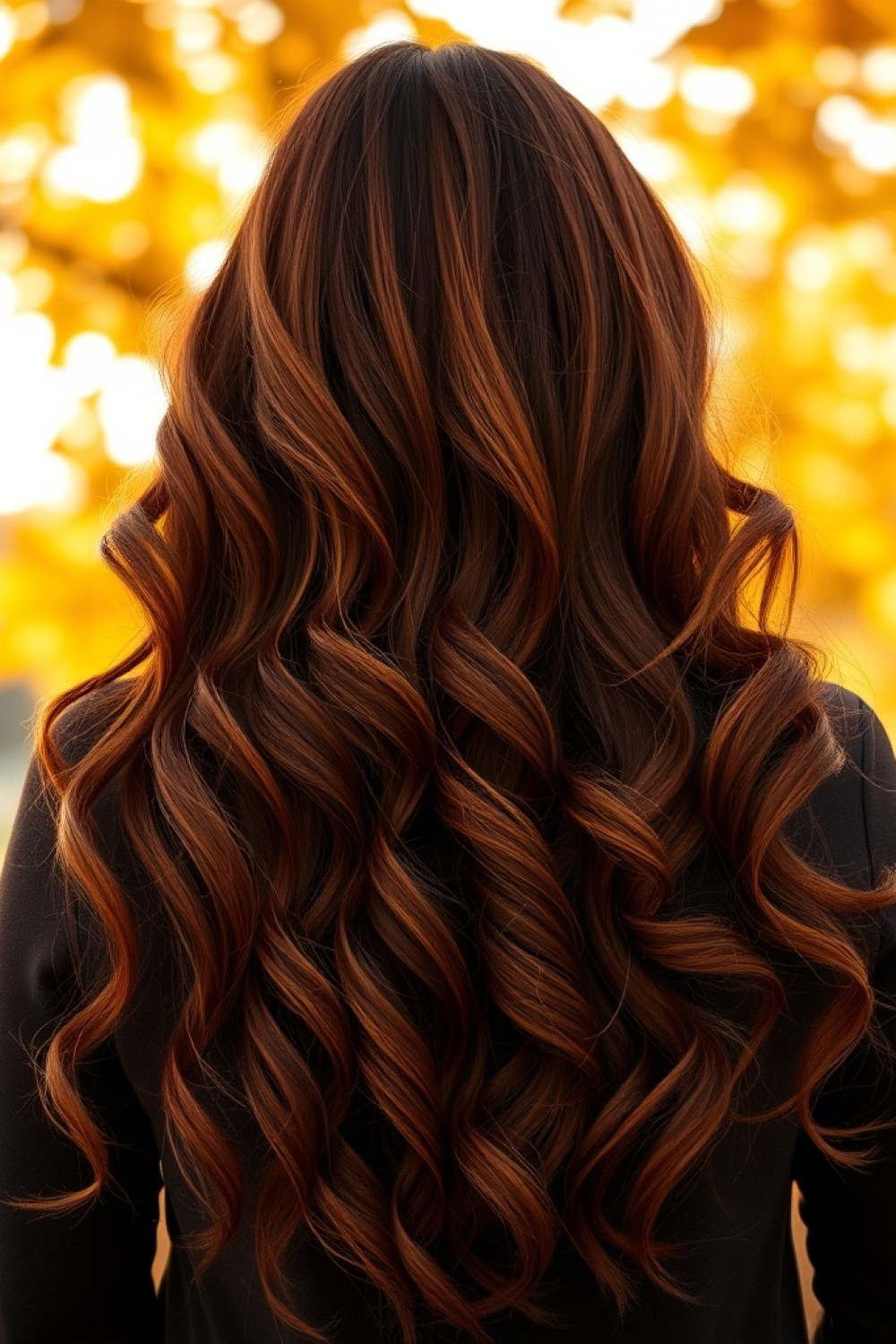
Chai latte is a milky, cool-toned brown between light and medium. The cool undertone keeps it from turning brassy, which is what makes it look soft rather than muddy on fair to medium skin. Think of it as your natural brown with the intensity dialed down.
Because the change is subtle, this is a good first step if you’re nervous about committing or you’re growing out highlights. A demi-permanent gloss deposits color without lifting, so there’s no damage and no harsh line at the roots. It fades gradually over six to eight weeks.
Ask your stylist for a cool-toned gloss a shade or two lighter than your base. Book a refresh when you notice the milkiness dulling — usually around the six-week mark.
14. Spiced Rum Balayage for a Bold, Warm Contrast
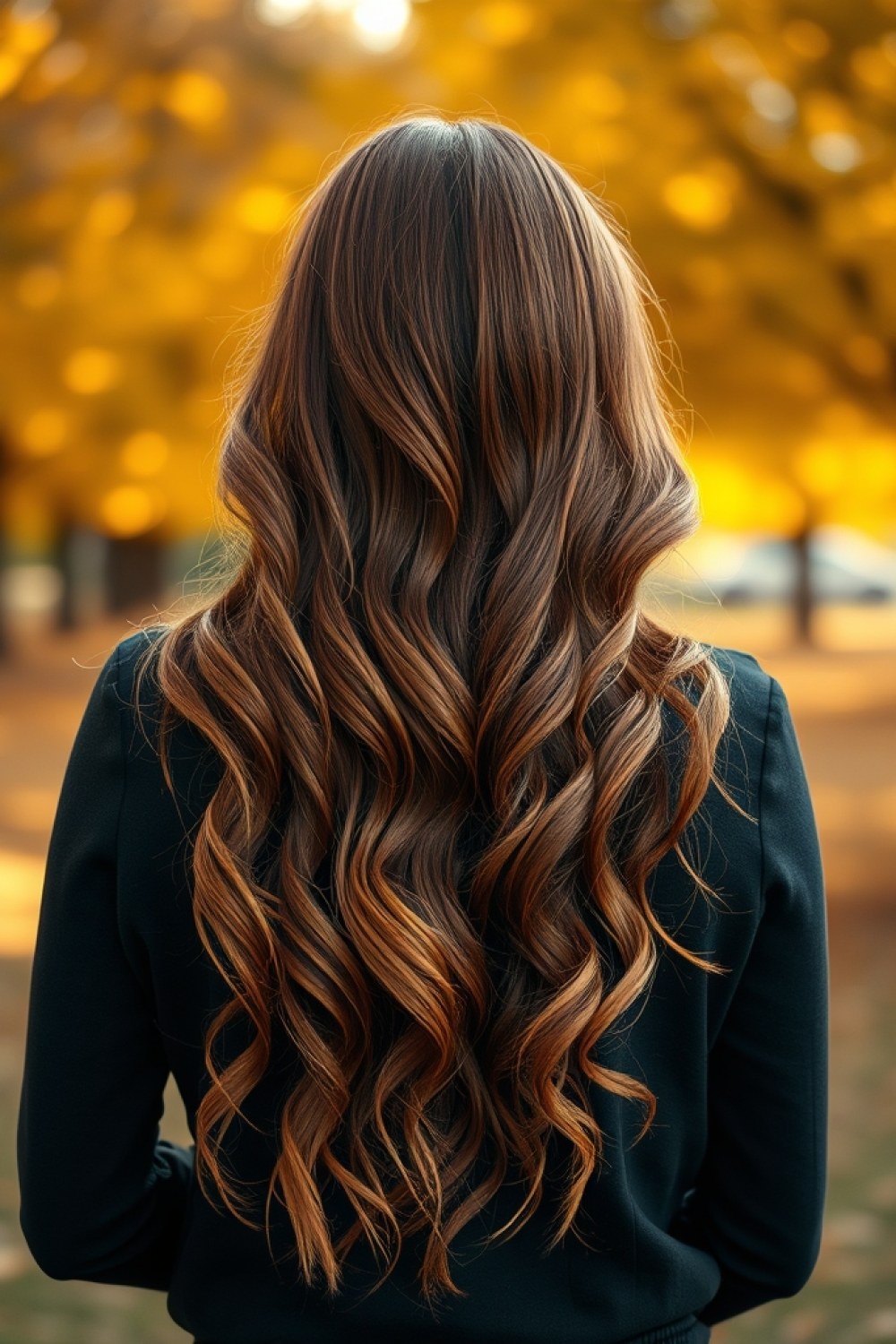
Spiced rum pairs a deep, warm brown base with copper highlights painted through the surface. The contrast between the dark base and the coppery pieces is what gives it depth — you get warmth and dimension without going fully red. It reads rich and autumnal rather than bright.
Balayage placement is the key here. Because the highlights are swept on freehand, they sit where light hits and grow out softly with no obvious regrowth line. This technique suits thick, wavy hair best: the texture catches the copper pieces and amplifies the blend.
Ask for a deep rum-brown base and hand-painted copper highlights concentrated around the mid-lengths and ends. Plan on a glaze every eight to ten weeks to keep the copper from fading flat.
15. Mulled Wine Highlights for a Berry-Toned Accent

Mulled wine highlights are deep berry-red babylights layered over a dark base. They’re festive without tipping into costume territory because the red stays in the wine and burgundy family rather than going bright or orange. On dark hair, the result is a low-lit, jewel-toned glow.
Babylights matter for this look — they’re finely woven, so the berry reads as a shimmer through the base instead of chunky streaks. Placement around the face and crown gives you that halo of color exactly where you want it. It’s a solid choice if you want a seasonal shift but aren’t ready to go lighter overall.
Ask for fine berry-red babylights focused on the face frame and crown. Wash with a sulfate-free shampoo to slow the fade, and stretch time between appointments with a color-depositing mask in a matching berry shade.
16. Chestnut Brown with Caramel Ribbons for Classic Dimension
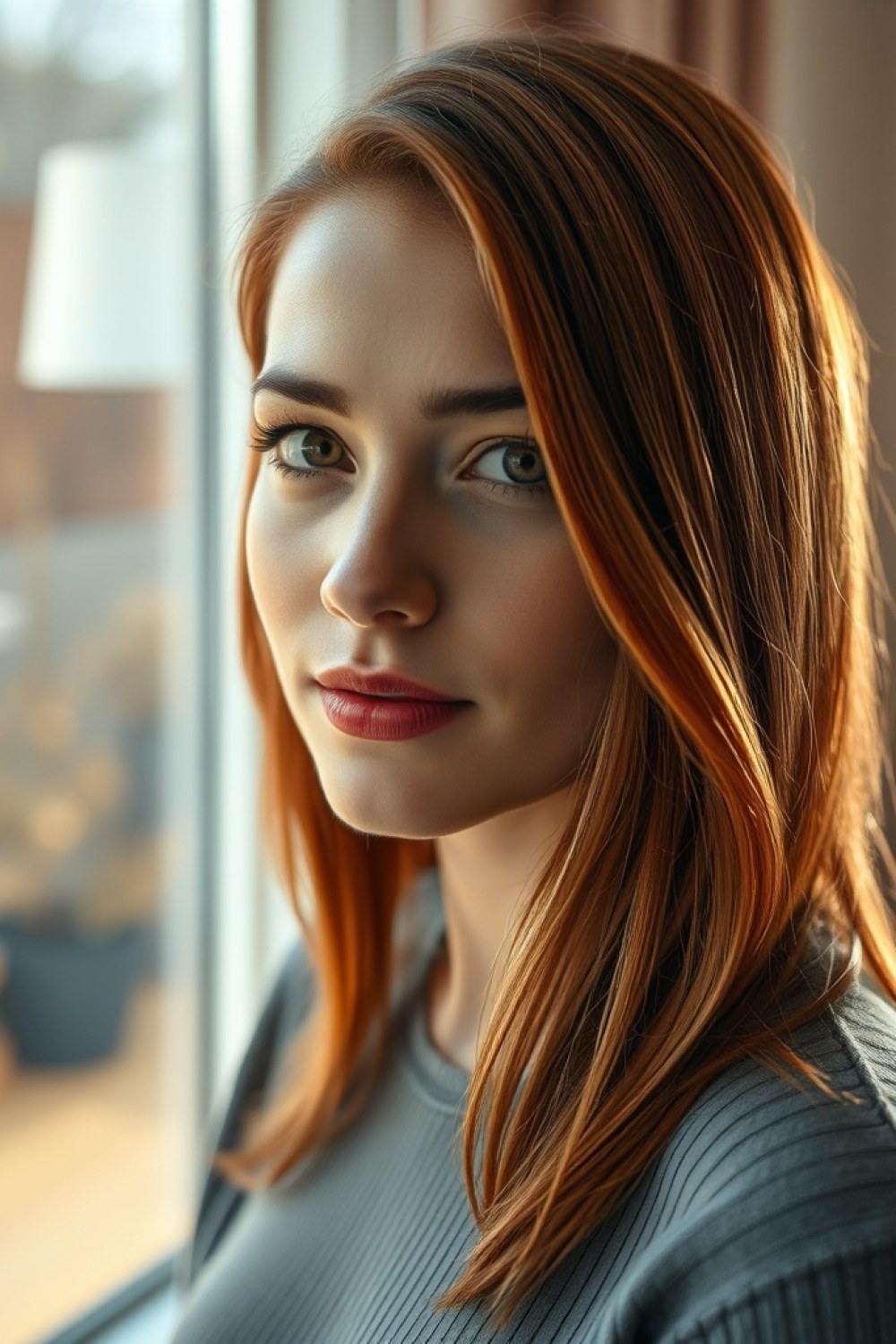
Chestnut brown with caramel ribbons is a warm medium-brown base threaded with fine caramel highlights. The two tones sit close enough to feel natural but far enough apart to create visible dimension. It’s timeless for a reason — it flatters most skin tones because the warmth is gentle, not loud.
The caramel is woven through rather than painted on thickly, so the grow-out stays soft and there’s no hard line when your roots come in. This is a good option if you like visible color but want low maintenance. Fine highlights also keep the finish shiny instead of dry.
Request a partial foil with fine, woven caramel pieces through the top and mid-lengths. A partial foil keeps the price down and gives a natural grow-out between full appointments.
17. Warm Ash Brown Balayage for a Cool-Toned Fall Look
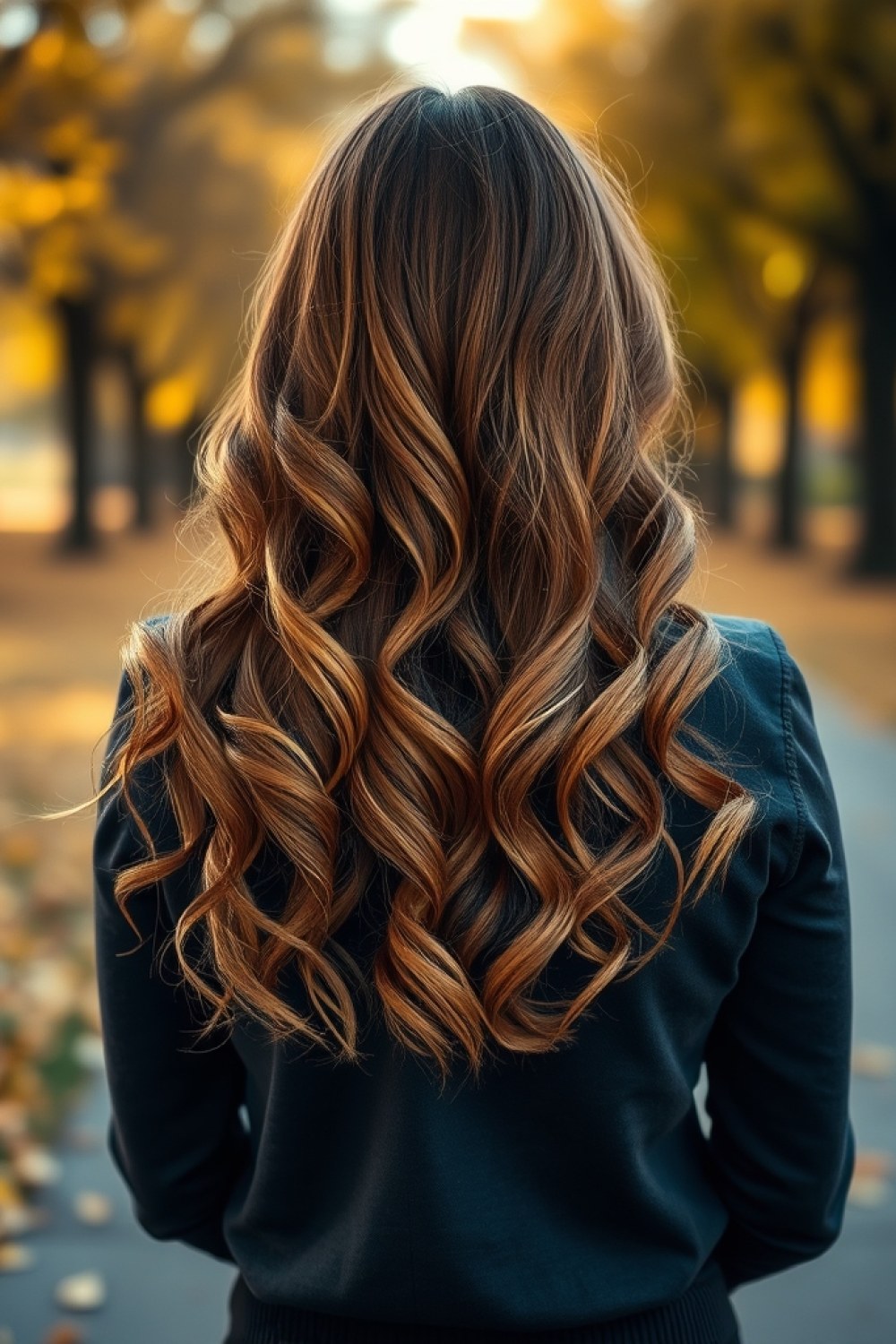
Warm ash brown balayage is a cool, ashy brown with soft, blended lighter pieces through the ends. It’s the modern, slightly edgy alternative to all the copper and caramel on this list — cool-toned and understated. The balayage softens the ash so it doesn’t read gray or flat.
The challenge with cool browns is warmth creeping in as the color fades. That’s why the toner is the important part, not an afterthought. A blue-based toner neutralizes any orange or yellow that develops, keeping the ash clean for longer between visits.
Ask specifically for a blue-based toner to cancel warmth, and book a toner refresh every six to eight weeks. If you already prefer cool tones, this is the fall color that won’t fight your instincts.
18. Tea-and-Honey Balayage for a Soft, Romantic Blend
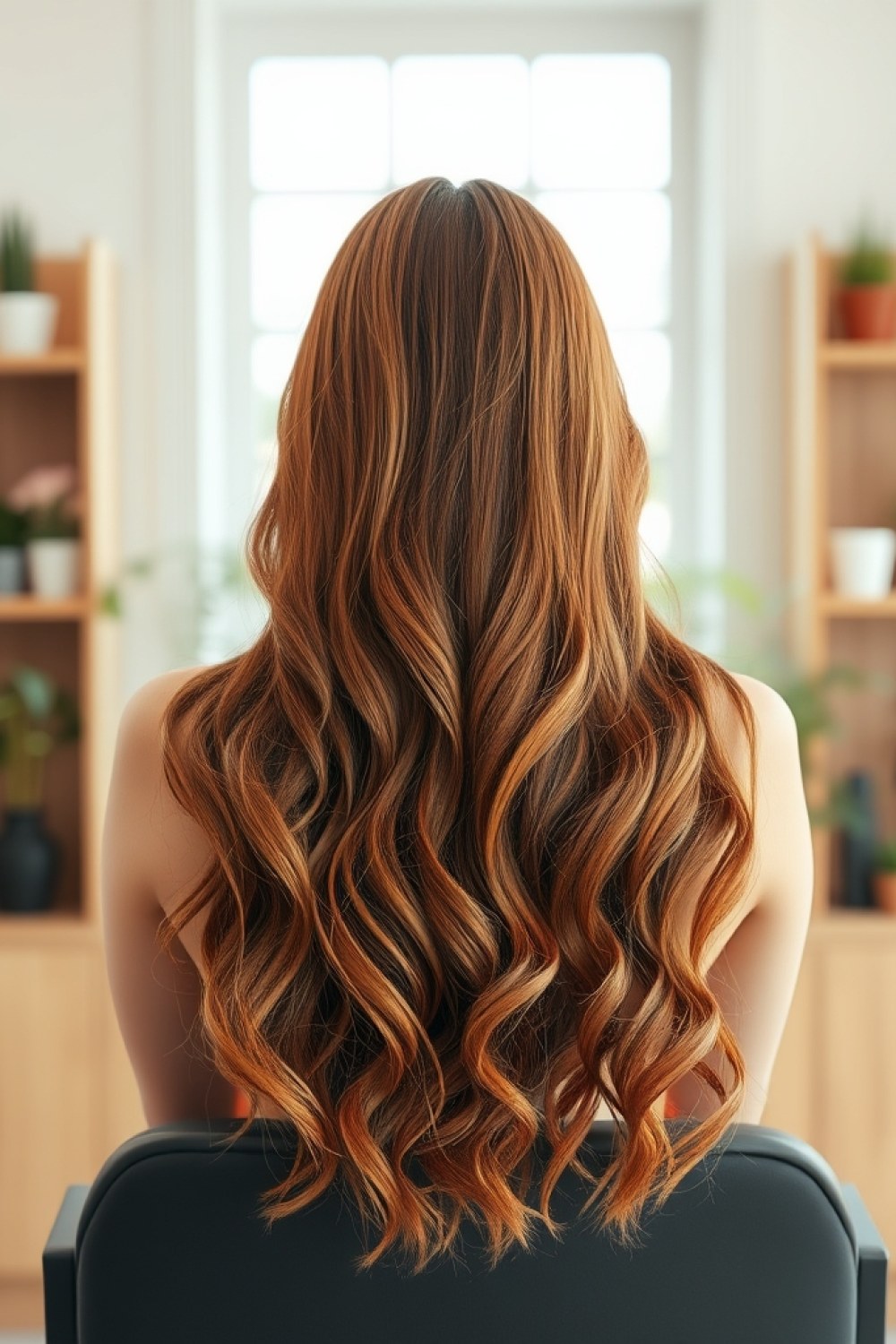
Tea-and-honey balayage is a tea-brown base with honey-blonde highlights melted through the lower half. The blend is gentle and sunlit — sweet, natural, romantic. Where spiced rum is bold, this one is quietly pretty, and it works on most skin tones because the honey stays golden rather than yellow.
Starting the balayage at mid-length is what keeps it soft. The dark base stays intact at the roots, so the honey appears only where you’d naturally lighten from the sun. That placement also makes it especially flattering on long hair, where the gradient has room to travel.
Ask for the balayage to begin around your mid-lengths and ramp up toward the ends. Keep it glossy with a hydrating mask once a week — lightened ends drink up moisture and look richer for it.
19. Burnt Sienna Copper for a Rich, Earthy Red
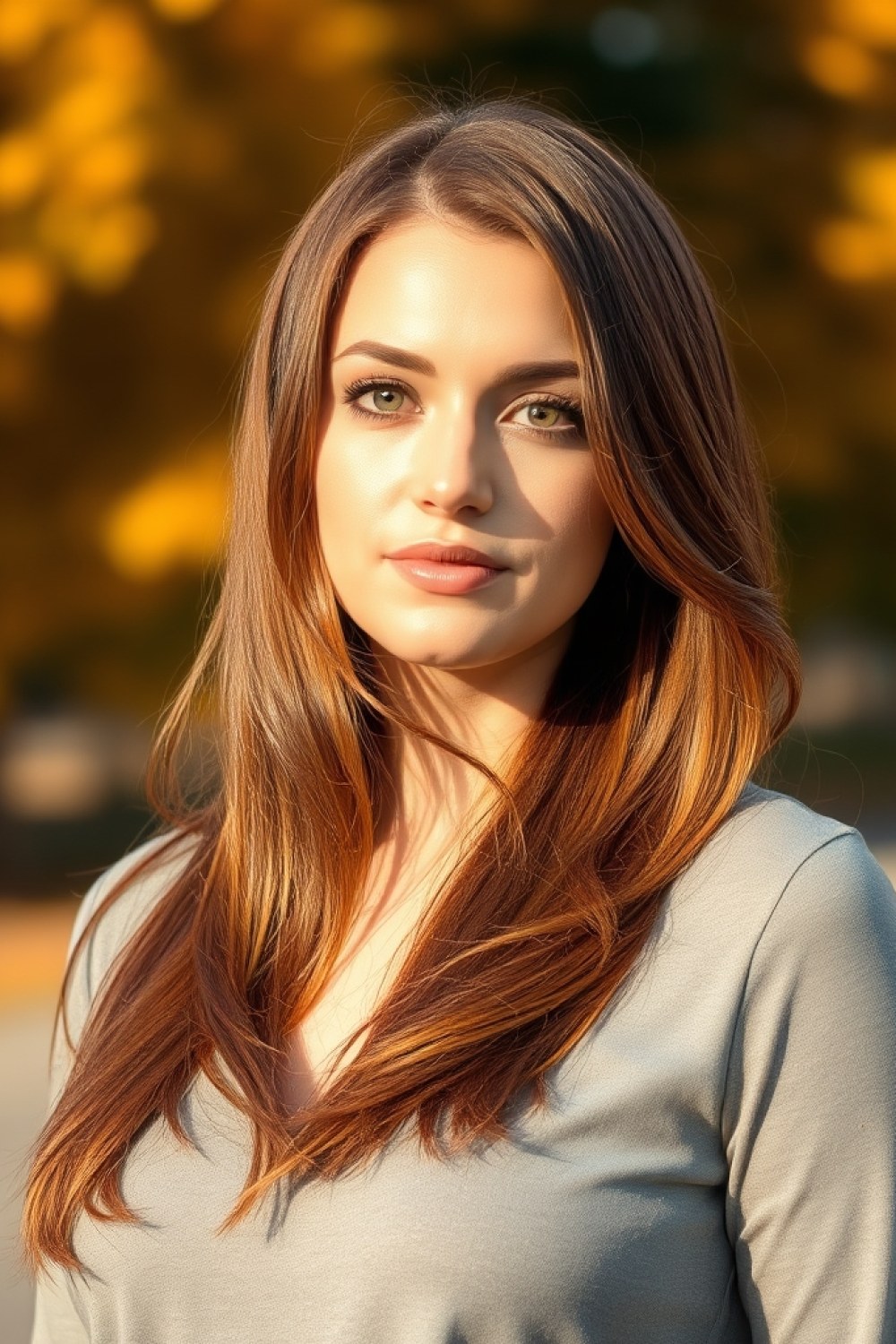
Burnt sienna sits right between copper and auburn — a deep red-brown with strong orange undertones and very little pink. It’s applied as a one-process color, so you’re looking at a single 45 to 60 minute appointment with no foil work. That makes it one of the most affordable ways to go dramatically warmer for fall.
It works because the saturation is high enough to read as intentional color, not a rusty mistake. On warm or golden skin tones it brightens the complexion; on very cool skin it can pull the redness in your face forward, so ask for a patch test strand first. If your natural base is dark brunette, expect your stylist to lift one to two levels before depositing.
Refresh the mids and ends with a gloss every 6 weeks, and use a sulfate-free shampoo to slow the fade — copper molecules are the first to leave.
20. Toffee Brown Balayage for a Sweet, Warm Melt

Toffee is a blend of medium brown and soft caramel, and the whole point of this look is the melt — no hard lines, no stripes. Your stylist hand-paints the lightener through the mid-lengths and ends, then tones everything with a toffee or warm-beige gloss so the brown and caramel fuse into one gradient.
It reads expensive on medium to dark bases because you get visible lightness without losing depth at the root, which means 10 to 12 weeks between appointments instead of 6. Light brown and dark blonde bases can wear it too, but ask for a slightly deeper toner so the contrast stays soft.
Book a gloss at the 6-week mark to keep the toffee from drifting brassy, and use a purple-free color-safe mask weekly — toners fade faster than the balayage itself.
21. Espresso with Copper Money Piece for a Modern Edge
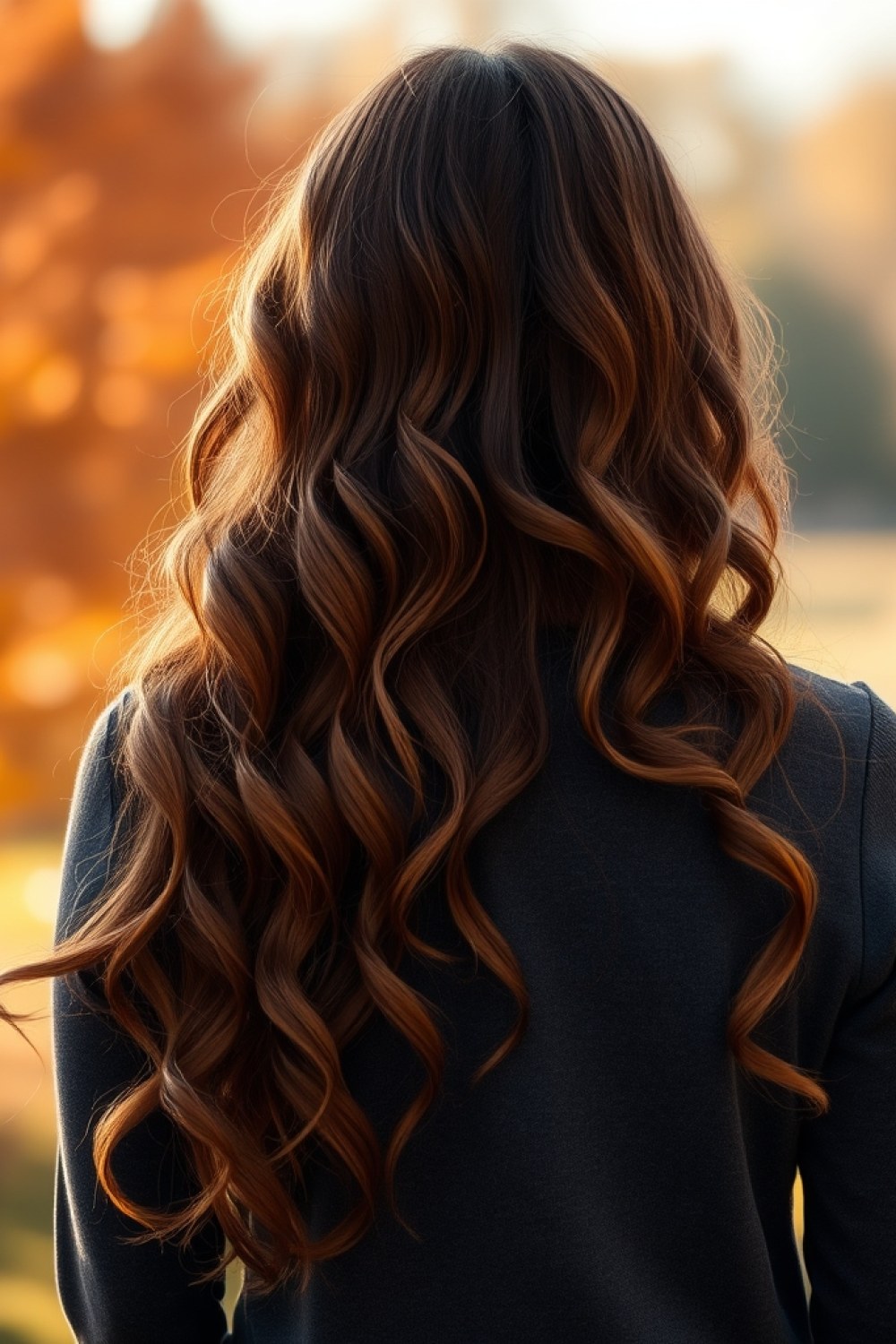
This is a deep espresso or soft-black base with a single bold copper section framing the face. It’s a two-part service: all-over color for the base, then a freehand lightening and copper gloss on the front pieces. Total chair time runs about 2.5 to 3 hours.
The placement is what makes it work. The money piece should sit roughly 1 inch back from the hairline and be about 1 to 2 inches wide on each side — any closer to the edge and it looks like a grown-out highlight, any wider and it takes over. It suits angular face shapes because the vertical copper lines soften a strong jaw or cheekbone.
Tell your stylist you want the copper to start at the root, not below it, so there’s no visible seam when you pull your hair back.
22. Hazelnut Gloss for a Natural, Nutty Shine

Hazelnut is a light to medium brown with golden undertones, and a gloss is the lightest-touch way to wear it. It’s a demi-permanent, ammonia-free service — usually 20 minutes of processing — that coats the cuticle for shine and knocks out brass without lifting your base color at all.
That’s why it suits anyone who likes their current depth but wants it cooler, warmer, or simply glossier. Brunettes fighting orange fade in the ends see the biggest difference. If your hair is fine, ask for a clear gloss with a hint of hazelnut rather than full pigment, which can look flat on low-density strands.
Skip washing your hair for 48 hours after the appointment — the gloss needs that window to fully set into the cuticle.
23. Fig Jam Balayage for a Deep, Purple-Toned Brown
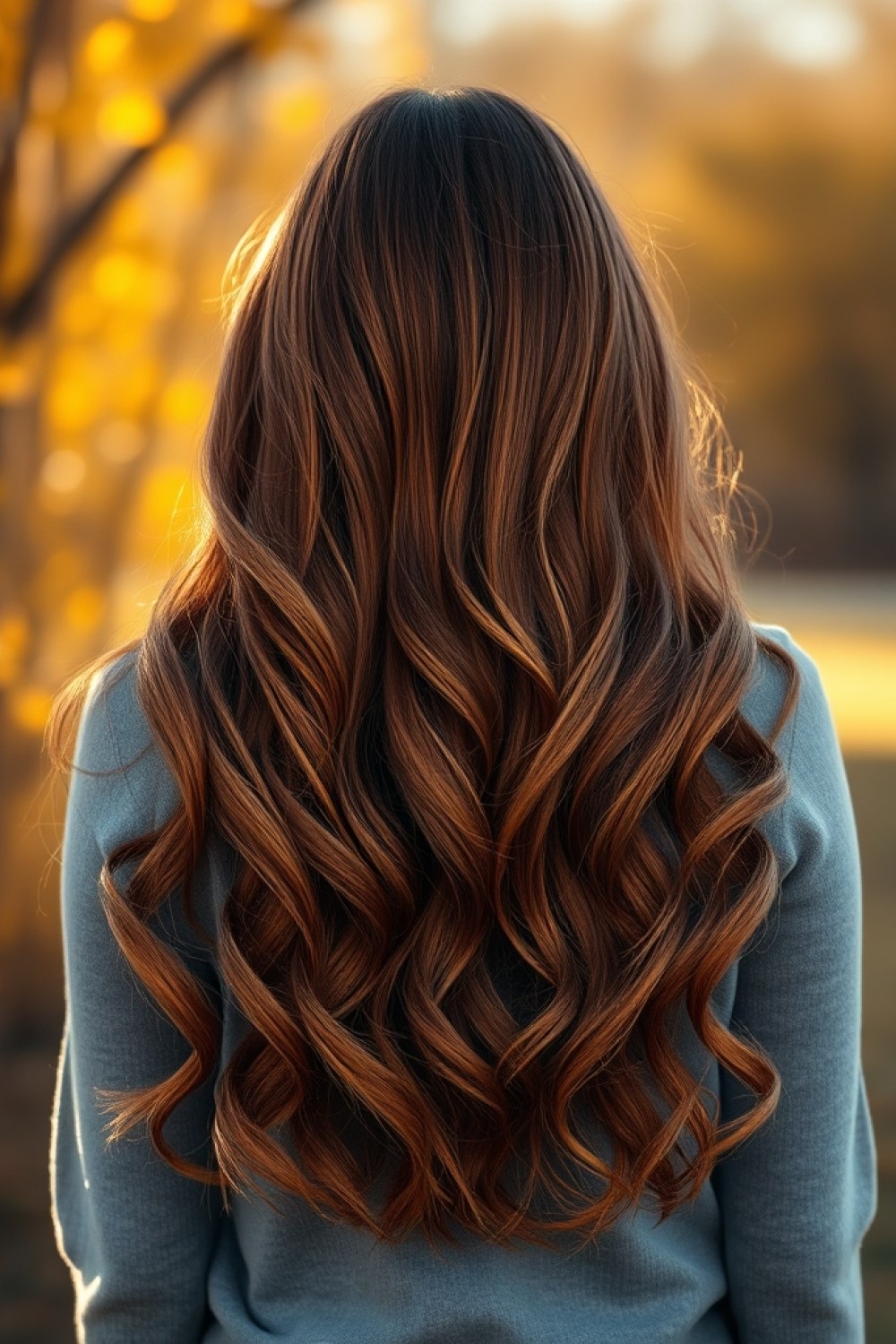
Fig jam is a deep brown built on plum and violet undertones rather than red or gold. Your stylist paints a balayage to build dimension, then tones with a plum-brown gloss that sits just barely visible in the light — think the inside of a fresh fig, not a purple dye job.
It’s a strong choice for cool or neutral skin tones, especially anyone who’s been fighting warm brass for months, because the violet neutralizes orange as it fades. On very warm complexions it can turn the skin sallow, so a strand test matters here more than with most browns.
Once you commit, switch to a purple or blue-based shampoo once a week to keep the plum tones from sliding toward red between salon visits.
24. Gingerbread Brown for a Warm, Spicy Base
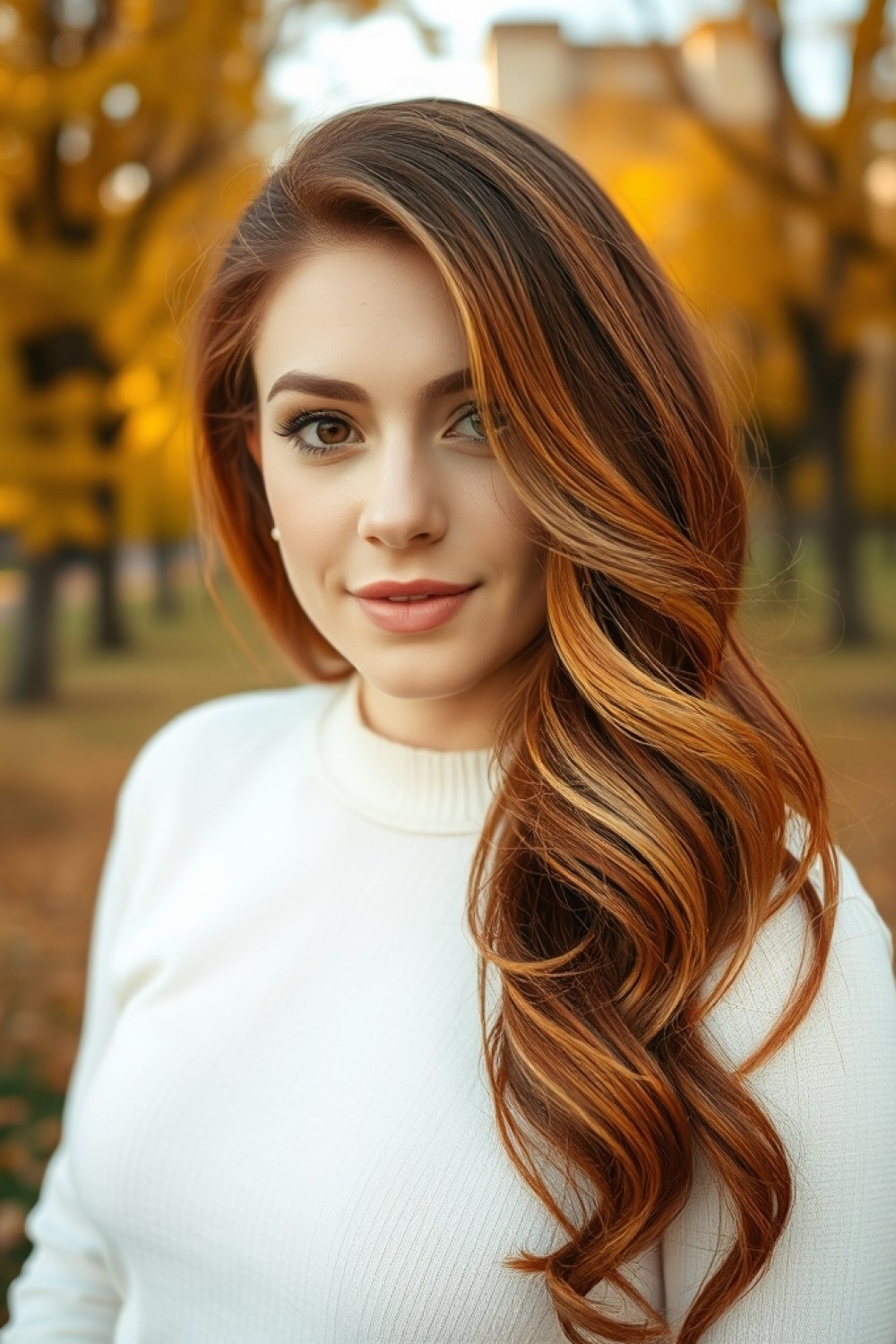
Gingerbread is a warm medium brown with a clear hit of red — richer and spicier than chestnut, but nowhere near copper. It’s a one-process all-over color, applied root to end, and takes about 60 minutes in the chair. The result is a single flat shade with a lot of warmth.
Because it’s one solid color, it flatters almost every length and texture, and it’s inexpensive to maintain. The catch is fade: red pigments wash out faster than any other tone, so a gingerbread that looks deep on day one can read flat and dull by week four.
Use a color-depositing conditioner in a warm brown or auburn every second or third wash to top the tone back up between appointments.
FAQs
What fall hair color is most flattering for medium skin tones?
Warm tones like caramel, toffee, and chestnut tend to flatter medium skin tones beautifully. If you have golden undertones, go for honey or maple; if you’re cooler, try ash brown or mocha. A stylist can custom-blend to match your exact complexion.
How do I maintain fall hair color so it stays vibrant?
Use a sulfate-free shampoo and wash with cool water to prevent fading. Incorporate a color-depositing mask or gloss every 1–2 weeks, and get a professional gloss refresh every 6–8 weeks. Avoid heat styling without a protectant.
Can I pull off copper or red hair if I have cool undertones?
Yes, but choose cooler reds like burgundy or mahogany rather than warm copper. If you want a true copper, ask your stylist to add a cool-toned toner or go for a shadow root to balance the warmth. Always do a strand test first.
How to Choose Your Fall Hair Color Without the Overwhelm
Start by identifying your skin tone and current base color, then pick 2–3 ideas from this list that feel doable. Book a consultation with your stylist to see swatches and discuss maintenance. Fall is the perfect time to experiment—so have fun with it!