
19 Choppy Bob Hairstyles With Bangs That Add Texture and Shape
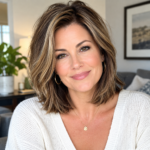
If you want a bob that looks fuller, more textured and effortlessly undone, a choppy bob with bangs is the cut to ask for. Layered ends break up the weight, so fine hair reads thicker and thick hair stops sitting flat. Bangs finish the shape and frame the eyes instead of letting the cut fall into a solid block.
Here are 19 choppy bob hairstyles with bangs worth saving, from jaw-grazing French bobs to shoulder-skimming shag versions. Each one notes the length, the bang type, and the hair texture it suits best. You will also get styling tricks — what to ask for, how to rough-dry it, which products keep the ends piecey — so it stays sharp between salon visits.
How to Pick the Right Choppy Bob With Bangs for You
Work backwards from your face shape, hair texture and daily routine. A cut that looks great in a photo will not hold up if it fights your hair’s natural bend or needs 30 minutes of styling you do not have.
- Face shape: Round faces suit a collarbone-length choppy bob with long curtain bangs to add vertical length. Heart and oval shapes can take blunt, eyebrow-skimming fringe. Square jaws look softer with wispy, sideswept bangs and choppy layers starting at the cheekbone.
- Hair texture: Fine, straight hair needs lots of choppy layers and a shorter bang to fake volume. Thick or wavy hair should keep more length and ask for point-cut ends and a heavier bang so it does not puff out.
- Maintenance: Curtain bangs grow out gracefully and need trims every 8–10 weeks. Blunt or micro bangs need a trim every 3–4 weeks to stay crisp.
- Styling time: If you air-dry, choose a chin-to-collarbone length with soft layers. If you blow-dry or use a round brush, a shorter jaw-length bob with a strong fringe will hold its shape.
1. Classic Choppy Bob + Curtain Bangs
Chin-to-collarbone length with point-cut ends and a soft center-parted curtain fringe that grazes the cheekbones. Ask for bangs to start at the brow and taper outward so they blend into the sides.
Why it works: The curtain bang frames the face without closing it off, and point-cut ends keep the shape airy rather than bulky.
Pro tip: Rough-dry with a round brush, then scrunch in a pea-sized drop of texture cream while hair is still slightly damp.
2. Blunt-Line Choppy Bob + Wispy Fringe
A strong one-length baseline keeps the shape looking intentional, while wispy brow-skimming bangs soften the front. The contrast is what makes it read choppy rather than messy.
Why it works: The blunt perimeter gives structure, and the feathery fringe adds movement without breaking the clean line.
Pro tip: Keep the perimeter razor-cut but ask for the fringe to be point-cut so it never looks like a wall of hair.
3. Choppy Bob + Birkin Bangs
Birkin bangs hit right at or just above the brow with a slightly uneven, lived-in edge — the perfect match for a choppy bob. They suit oval, heart and long face shapes best.
Why it works: The soft, irregular length echoes the choppy texture below, so the whole cut feels deliberate and cohesive.
Pro tip: Style with a tiny flat iron to flick the ends outward, then rake through with your fingers so they don’t look too done.
4. Lob With Micro Bangs
A longer collarbone-skimming lob paired with tiny short bangs gives a French-girl, slightly mod look. Micro bangs should be cut dry and sit mid-forehead.
Why it works: The length below balances the boldness above, so the short fringe reads chic instead of severe.
Pro tip: This is one to book with someone who cuts bangs often — then blot them with a bit of dry shampoo so they don’t separate.
5. Choppy Bob + Full Fringe
A dense, eyebrow-grazing fringe plus choppy layers creates real weight at the front, which balances a wider jaw or round face. Ask for the fringe slightly heavier in the middle and thinned at the edges.
Why it works: The front-heavy fringe draws the eye upward and inward, slimming the face while the layers keep it from looking flat.
Pro tip: Blow-dry the fringe forward first, then shape with the round brush — drying it sideways is what causes that stubborn cowlick.
6. Choppy Bob + Side-Swept Bangs
Sweeping the fringe to one side gives an instant lift at the root and adds diagonal movement — great for softening a strong jawline. The bang should start at the part and fall to the outer eye.
Why it works: The diagonal line breaks up square angles and adds softness without hiding the forehead completely.
Pro tip: Swap sides occasionally so the sweep never trains flat, and keep a light mist of flexible spray on hand to reset it.
7. Choppy Bob + Textured Fringe
A textured fringe with point-cut, piecey ends sits just below the brow. For fine hair, it’s the most forgiving bang shape because it never needs volume to look full.
Why it works: Removing weight at the ends, not the roots, keeps fine hair from collapsing flat against the forehead.
Pro tip: Ask your stylist to point-cut the fringe so the tips stay separated. Then spray sea-salt mist and scrunch — that’s the whole routine.
8. Choppy Bob + Middle-Part Curtain Layers
A middle part with soft curtain layers that begin below the cheekbone draws the eye downward and lengthens the face. Square and round faces get the most from this one.
Why it works: The vertical part line and low-starting layers create length where rounder faces need it most.
Pro tip: Dry with a small round brush angled away from the face at the root. That keeps the part crisp instead of collapsing by midday.
9. Soft Choppy Bob + Grown-Out Bangs
Growing out short bangs? Make it look intentional with long, choppy bangs that reach the cheekbone and blend into the sides. No awkward phase, no hiding under clips.
Why it works: Blending the grow-out into the sides reads as a deliberate design rather than leftover length.
Pro tip: Ask for the bangs trimmed into a curved fringe instead of hanging straight. It’s pregnancy-friendly too — no extra length lost.
10. Choppy Bob + Long Bangs
Long bangs that skim the cheekbones and taper into the bob keep the whole cut cohesive. You also get something to tuck behind an ear when you want a different look.
Why it works: Tapered long bangs connect the fringe to the bob, so the shape stays unified instead of looking like two separate cuts.
Pro tip: Style with a 1-inch curling iron, wrapping each section away from the face. It’s a low-commitment choice if you’re not ready for a big change.
11. Wavy Choppy Bob + Fringe
For natural waves, ask for the layers to be cut with a razor so the ends stay soft. Then let your curls do the texturing work — skip the blowout entirely.
Why it works: Razor-cut ends catch light and separate easily, so the wave pattern reads as intentional texture.
Pro tip: Diffuse with a light-hold mousse and finish with a shine serum. The choppier the layers, the better the wave clumps form.
12. Curly Choppy Bob + Curly Bangs
This cut has to be done dry, curl by curl. A wet cut will spring up 1–2 inches once it dries and leave your bangs far too short.
Why it works: Cutting in the curl’s natural state lets your stylist see exactly where each bang will actually sit.
Pro tip: Ask for a curved ‘C’ shape in the fringe so curls sit round instead of triangular. Style with a cream-gel and a diffuser on low speed.
13. Choppy Bob + Full Fringe and Face-Framing Layers
Here the fringe isn’t cut as a separate block — it’s blended into the front of the bob so the two move as one shape. Ask for face-framing layers that start at the jaw and travel backward.
Why it works: Medium-thick hair often flares into a triangle when ends sit heavy. Connecting fringe to layers removes that bulk line and softens the width.
Pro tip: Say “blend the fringe into the front, not on top of it.” Bring a photo showing the transition point at the cheekbone.
14. Choppy Bob + Wispy Fringe With Volume
This version is built on root lift: a light, airy fringe that stands away from the forehead rather than lying flat. It suits finer hair that needs the front to feel fuller.
Why it works: Lifting the roots at the crown and fringe creates height that tricks the eye into reading more density overall.
Pro tip: Blow-dry roots upward with a vent brush, set the fringe in a velcro roller for five minutes while you do your makeup, then tap it out and shake the roots with your fingers.
15. Layered Choppy Bob + Curtain Fringe for Fine Hair
Fine strands need invisible layering. Ask for the ends to be point-cut and the interior left mostly whole so you don’t lose thickness. A curtain fringe starting at the cheekbone hides sparse ends.
Why it works: Leaving the interior intact keeps the cut dense while a cheekbone-length curtain fringe adds width where fine hair looks thinnest.
Pro tip: Air-dry rather than blow-dry to avoid stressing fine strands, then finish with a lightweight texture spray for grip.
16. Thick Choppy Bob + Heavy Bangs
Dense hair can carry a heavier fringe and a shorter bob. Ask for the bob to hit around the jaw and the fringe to be chunky, with the ends lightly thinned so the shape moves.
Why it works: A blunt, weighty fringe balances thick texture and stops the cut from looking round or mushroomed at the sides.
Pro tip: Blow-dry the whole thing with a paddle brush to keep it glossy and flat at the perimeter — skip the round brush if you want that clean line.
17. Choppy Bob + Highlighted Bangs
A subtle balayage or money-piece on the fringe makes the chop read “styled.” Light hitting the bangs is the fastest way to add dimension to an otherwise flat front section.
Why it works: Contrast draws the eye to the fringe and lifts the whole face, even when the rest of the bob stays close to your base color.
Pro tip: Ask for a face-framing highlight that starts mid-fringe and melts into your base, then refresh with a purple toning mask every three weeks.
18. Choppy Bob + Curtain Bangs With Grown-Out Ends
If you’re between appointments, this is the throw-together look: pushed-back curtain bangs, a slightly grown-out bob, tousled with a spritz of dry shampoo at the roots.
Why it works: It’s the most low-maintenance version of the cut and the one most people actually end up wearing day to day.
Pro tip: Spritz dry shampoo at the roots, not the ends, then rake through with fingers — it adds lift without making grown-out ends look dusty.
19. Choppy Bob With Undone Texture (Bedhead Bob)
The point of a bedhead bob is that it should never look finished. Your stylist point-cuts the ends, then runs a razor lightly through the layers to break up any clean line, so no two pieces drop the same length. Bangs get the same rough treatment — wispy, uneven, curtain-ish, nothing blunt.
Why it works: Ragged strands catch light differently and sit apart instead of clumping, so fine hair reads fuller and thick hair loses its heavy triangle shape. The mess is structural, not accidental.
Pro tip: Style on day-two hair. Spray dry shampoo at the roots and mid-lengths, mist sea-salt spray from about 10 inches away, then scrunch with flat palms and leave it alone — the more you touch it, the flatter it falls.
Quick Questions
What is a choppy bob with bangs exactly?
It’s a chin-to-collarbone cut with point-cut, uneven-ended layers that create texture and movement, paired with a fringe — curtain, wispy, heavy or side-swept. The layers and bangs are cut to work together, so the whole shape looks piecey rather than blunt.
Will bangs suit my face shape?
Wispy or curtain bangs flatter almost everyone — they graze the cheekbone without covering the forehead. Fuller, brow-length fringes suit longer faces and balance a wider jaw, while side-swept bangs soften strong jawlines. Bring a couple of photos to your consultation so your stylist can adapt the bang shape to your features.
How often do I need to trim choppy bangs?
Every 2–3 weeks if you want them to stay in place, though a soft curtain fringe can stretch to four. Many salons do a free or low-cost bang trim between full cuts — ask when you book so you know what’s included.
Can I style a choppy bob with bangs if my hair is fine?
Yes — ask for invisible interior layers and point-cut ends so you keep thickness, and choose a wispy or curtain bang rather than a heavy one. A volumising mousse at the roots plus a lightweight texture spray on the ends gives you the piecey look without flattening the hair.
What should I ask my stylist for to get this cut?
Say “choppy bob with a point-cut, textured fringe that blends into the sides,” and bring two or three photos — one of the cut, one of the bangs, one of the styling. Ask what length will work with your hair’s natural texture when it’s dry, because a wet cut will spring up on wavy and curly hair.
How do I keep a choppy bob looking fresh as it grows out?
Lean into it — the cut is designed to look undone, so grown-out ends read as texture rather than mess. Refresh with dry shampoo at the roots, spritz sea-salt mist on the ends and push the bangs back into a soft curtain shape until your next trim.
Choosing the Right Choppy Bob for Your Hair Type
There’s a version of this cut for almost every hair type. Fine hair wants invisible interior layers and a light, wispy fringe so you keep every bit of thickness you have. Thick or curly hair can carry a shorter bob and a heavier bang — the extra volume does the styling work for you.
Save the two or three inspiration photos that match your own texture and face shape, not just the ones you like best. Then book a consultation and ask your stylist how the cut will sit on your hair dry before the first snip. That one question prevents most of the haircut regret people bring to this style.