
27 Honey Golden Blonde and Caramel Balayage on Dark Brown: Warm Blend Ideas


Most people believe lightening dark brown hair to honey or caramel means signing up for an orange, brassy mess. In reality, warm tones are the goal — the problem is choosing the wrong lightener or skipping the blend. Get the placement and toner right, and dark brown lifts into something rich, never rusty.
The trick is a colourist who works with warm-toned lighteners, a root smudge or shadow root, and a gloss that seals the gold. We’ll cover exactly how to ask for that, plus placement tricks that grow out soft instead of leaving a hard line. By the end you’ll know which of the 27 ideas fits your base, skin tone and length.
Quick Picks
- Golden Ribbons Through Espresso — best for anyone wanting visible dimension without a full head of blonde.
- Caramel Balayage With a Root Smudge — best for low-maintenance grow-outs and covering early greys.
- Golden Blonde on a Curly Dark Base — best for curlies who want lift that still shows their curl pattern.
- Honey Balayage on Fine Hair — best for thin hair that needs brightness, not bulk-stripping bleach.
1. Golden Ribbons Through Espresso

This is the quietest way to go golden on virgin dark brown. Your colourist hand-paints thin ribbons spaced 2–3 inches apart, lifting them to a soft level 7 gold while roughly 70% of your natural base stays untouched.
Because so much dark hair remains, regrowth has nothing to contrast against — no line, no band, no obvious “my colour grew out” moment. You can realistically stretch 4–6 months between appointments.
The toner choice makes or breaks it. Ask for a soft ivory-gold, never ash — ash over warm brown reads grey and flat, the opposite of what you want here.
Bring a photo of the ribbon width you like and ask your colourist to match your natural spacing, then book a gloss refresh at the 10-week mark.
2. Honey-Caramel Face Frame Only
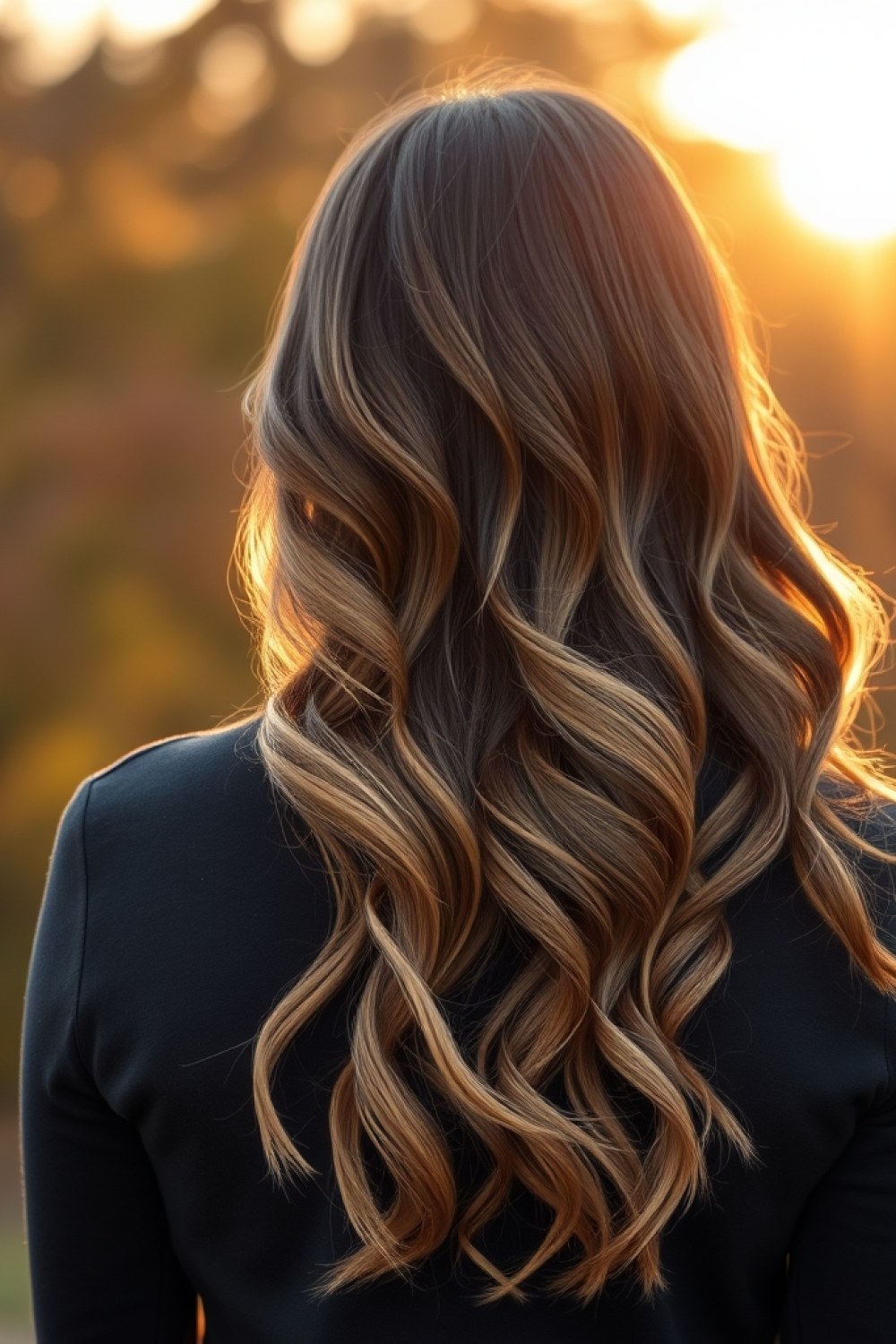
One-inch slices around the hairline and nothing else. It’s the least expensive, lowest-commitment way to find out whether golden tones flatter your skin before you commit to a full head.
It works beautifully on a level 3–4 base. The key is keeping the lightener about 1 cm off the scalp so those front pieces lift to a clean level 7 gold instead of a hot, orange root that screams grow-out.
You get brightness exactly where the sun would hit — cheekbones, jawline — which is why it flatters almost everyone. If you’ve been nervous about warm tones, this is your test drive.
Ask for a bond-builder in the lightener and a toner matched to your mids, then live with it three weeks before deciding on more.
3. Caramel Melt From Mid-Length Down

Here the balayage starts at the jaw, not the crown, so the deepest, richest colour sits right where hair looks healthiest — near your face and part.
It’s a standout choice for fine hair. That root depth creates a shadow effect that makes thinning far less visible than an all-over highlight, which exposes the scalp and washes fine hair out.
The caramel melts gradually from a level 4–5 brown into a level 7 warm gold, so there’s no hard line if you wear your hair up or in a ponytail.
Show your colourist where your jawline sits when hair is dry, and ask them to start the melt a full inch below it for a softer transition.
4. Gold-Dipped Ends With a Brunette Crown
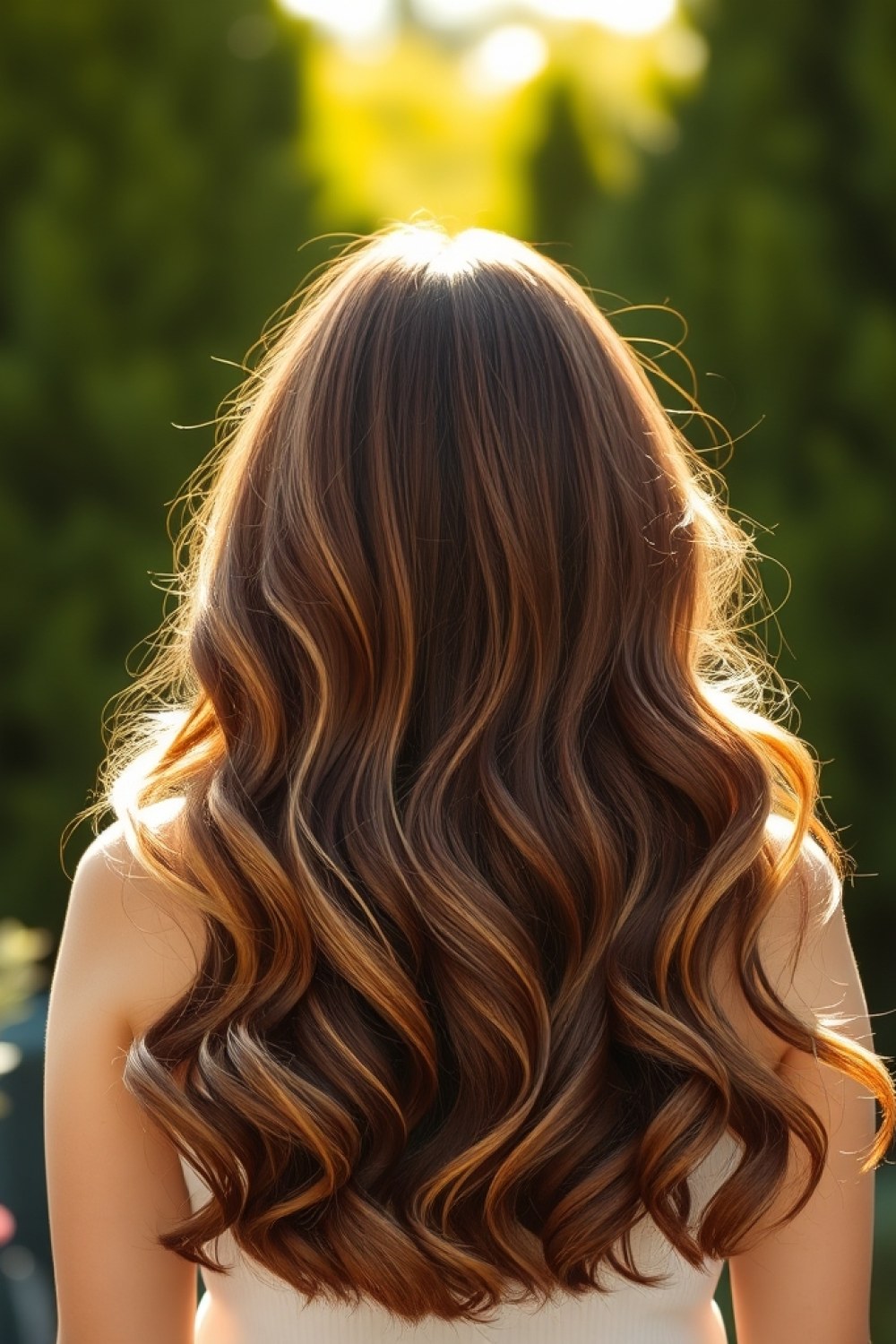
One sweeping section per side, lifted all the way to a true level 8 golden blonde at the tips while the crown stays deep brunette. It’s a dramatic, sun-kissed dip rather than an all-over blend.
The crown does the heavy lifting: it anchors the colour so the blonde reads intentional and expensive instead of accidental. Your ends become the focal point, which draws the eye down and lengthens the face.
This look is unforgiving of damage, though. Trim 2–3 cm before your appointment — honey blonde on split ends turns straw-yellow within weeks and can’t be toned back.
Book a trim the same day as your colour and ask for a weekly bond-repair mask to keep the ends from turning brassy or matte.
5. Honeycomb Money Piece
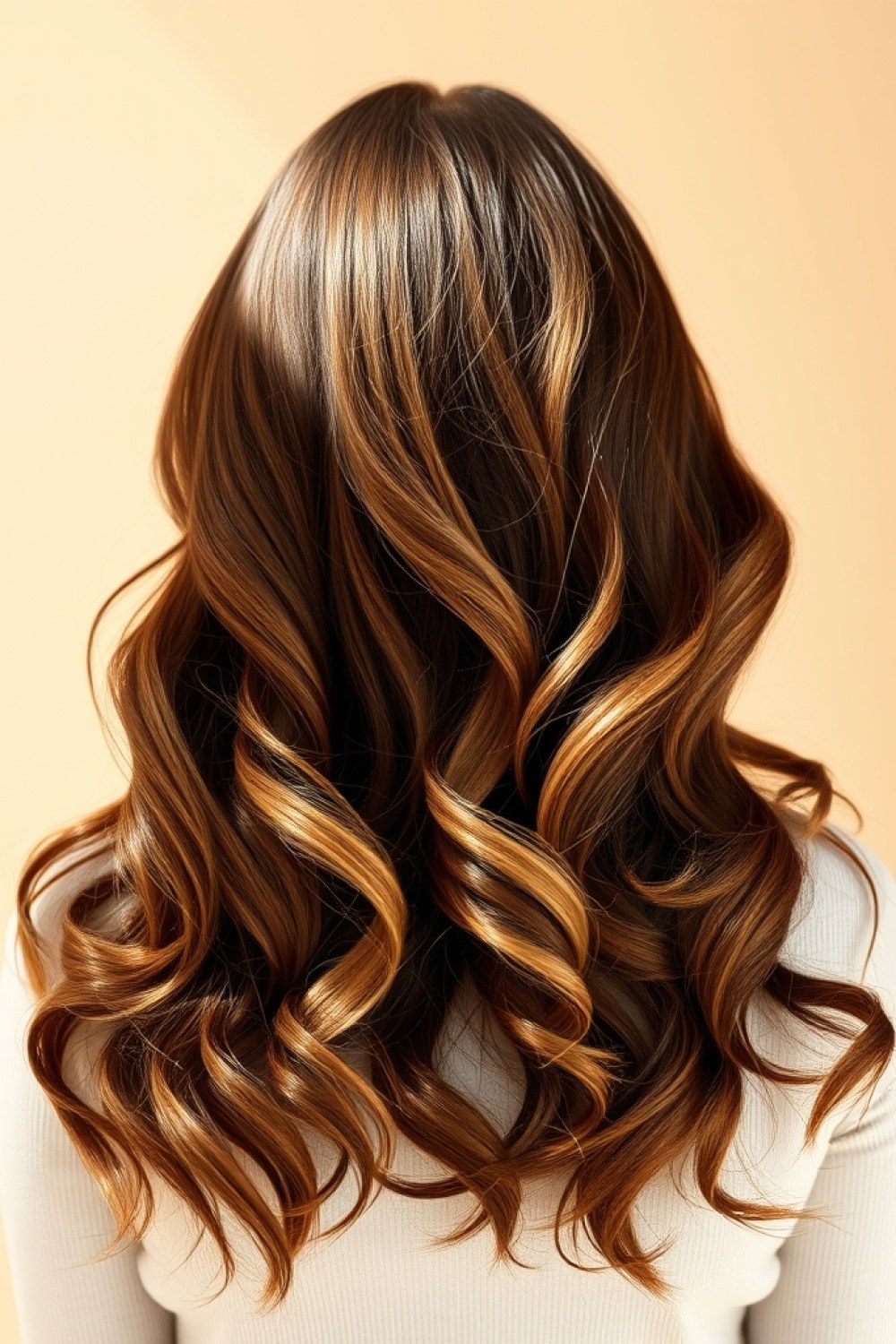
A money piece is the bright section framing your face — but a honeycomb version zigzags and weaves rather than sitting in a straight, blocky panel.
Ask for a mix of fine and medium weaves so the front reads blended and dimensional, not painted on. Straight-up block sections are the number one reason money pieces look stripey and fake.
It’s especially flattering on a round face: the woven brightness pulls the eye upward and creates the illusion of length and angles.
Tell your colourist you want the zigzag to start at your part line, and ask them to feather the edges so there’s no visible border against the brown.
6. Toffee Balayage on a Cool Brown Base
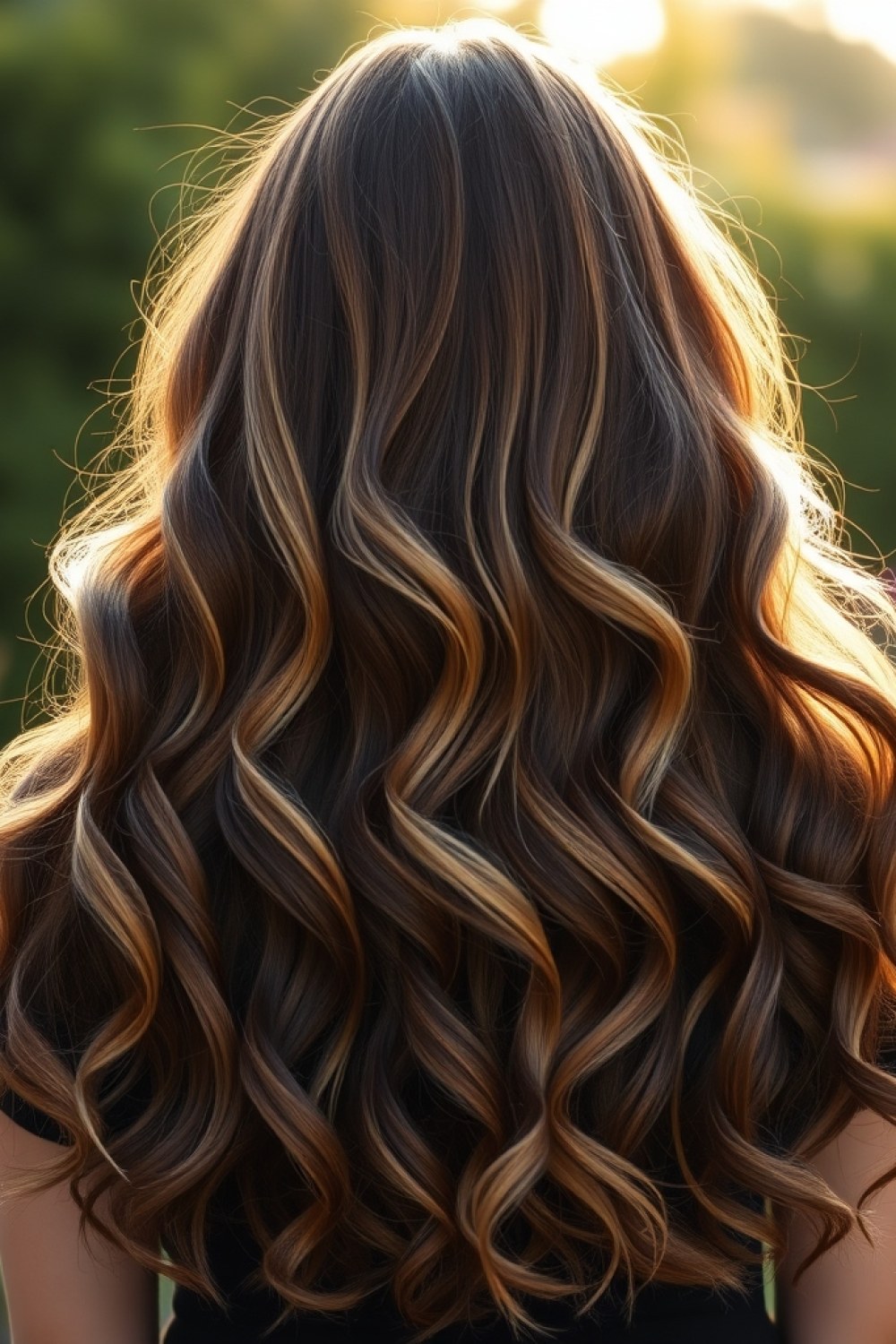
If your natural brown leans ashy or cool, warm lightener applied straight on top will pull orange — the colour isn’t lifting badly, it’s just fighting a cool pigment underneath.
The fix is a prep step. Ask for a pre-softening treatment or a filler to neutralise that cool base before lightening, then a honey-beige gloss to bridge the two tones into one buttery result.
Done right, the finish is toffee — golden but grounded, never rusty. It suits anyone whose natural brown looks grey-ish indoors and who wants warmth without going yellow.
Ask your colourist to test one small section first, then confirm the gloss colour before they tone the whole head.
7. Caramel Balayage With a Root Smudge
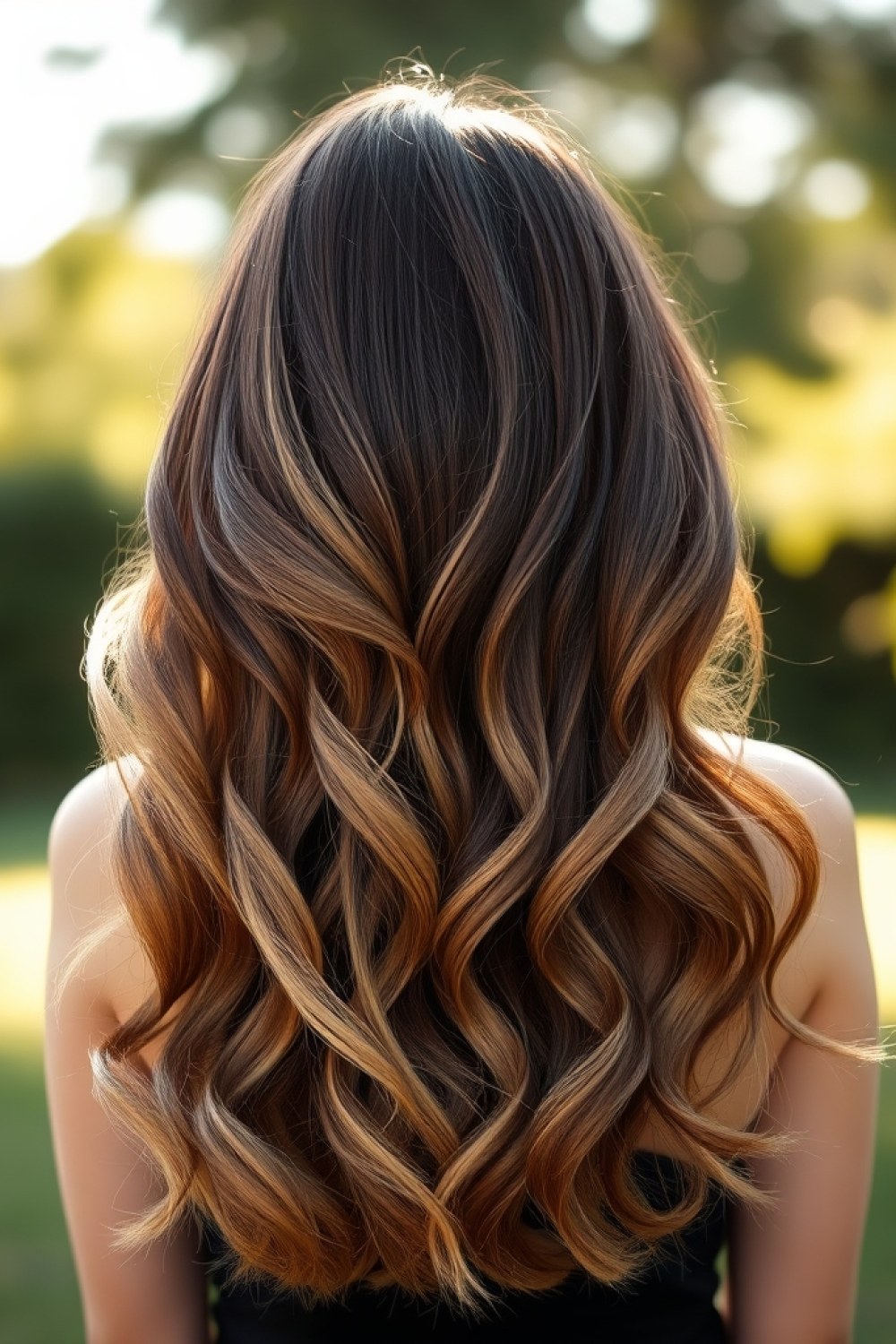
A root smudge is a demi-permanent colour in a warm level 5, melted over your freshly lightened pieces and left for about 10 minutes before rinsing. It softens the transition point where dark brown meets caramel so there’s no hard stripe.
This is the single most important step for a soft grow-out. Because the shadow mimics your natural base, the line diffuses as it fades — which is how touch-ups stretch to 12–16 weeks instead of every 8.
It suits almost everyone, but especially anyone who’s been burned by a harsh line before. Ask your colourist to melt the smudge rather than paint a flat band.
Tip: If your colourist doesn’t mention a root smudge, bring it up yourself — it’s the difference between a blend and a block.
8. Lived-In Gold for Long Hair
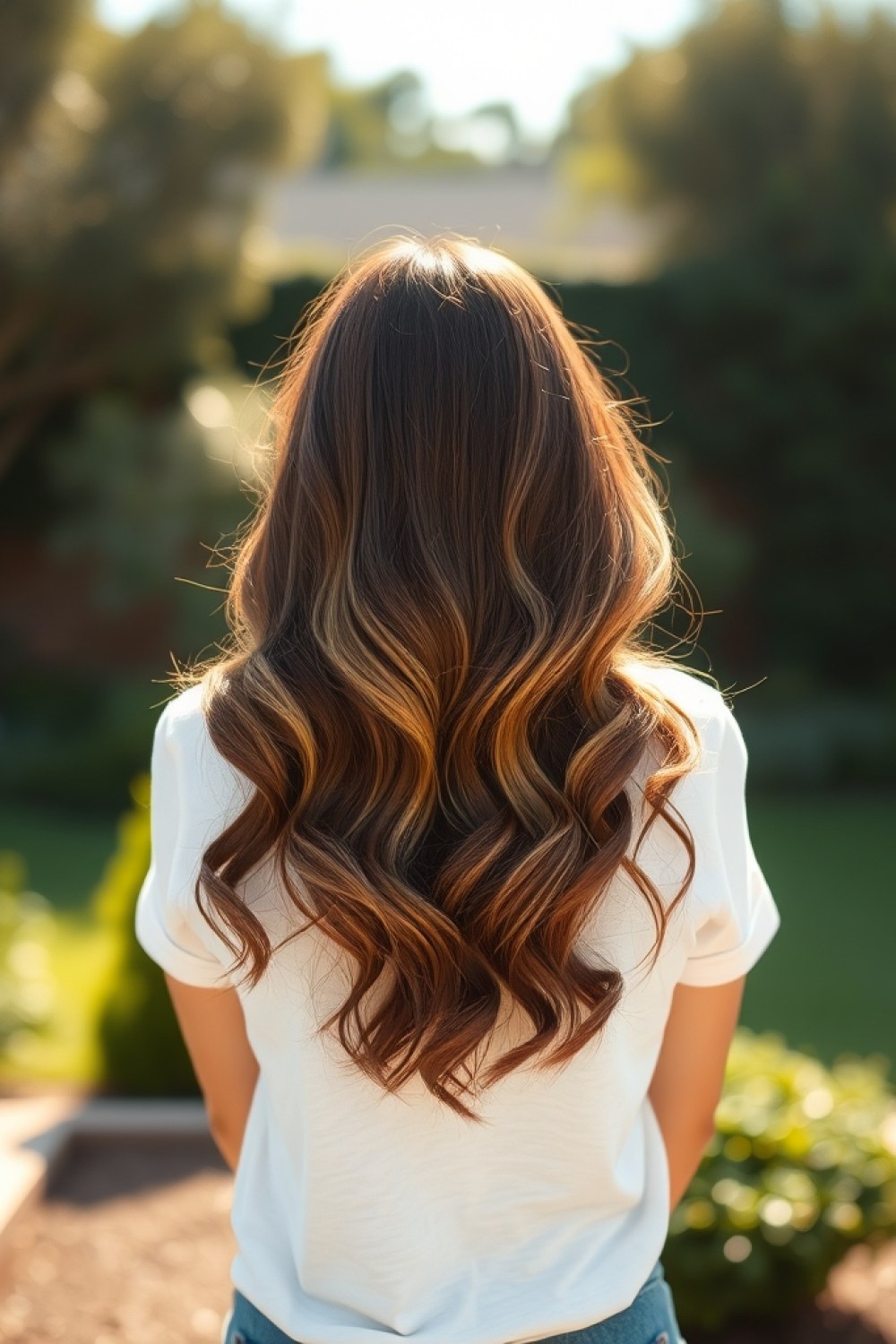
On hair past the bra strap, keep highlights off the top 4 inches and concentrate the lightening through the mid-lengths and ends. This keeps regrowth invisible and lets the gold sit where the eye actually travels.
Long hair pulls warmth down as it oxidises, meaning your ends will read warmer than the mid-lengths over time. That’s why you go one shade lighter than you think you want at the bowl.
It suits anyone growing out length who wants low-maintenance warmth without a visible root line. The length carries the gold, so you don’t need density up top.
Tip: Ask for a slightly lighter formula on the last few inches — it counteracts the warmth long ends naturally pick up.
9. Golden Blonde on a Curly Dark Base
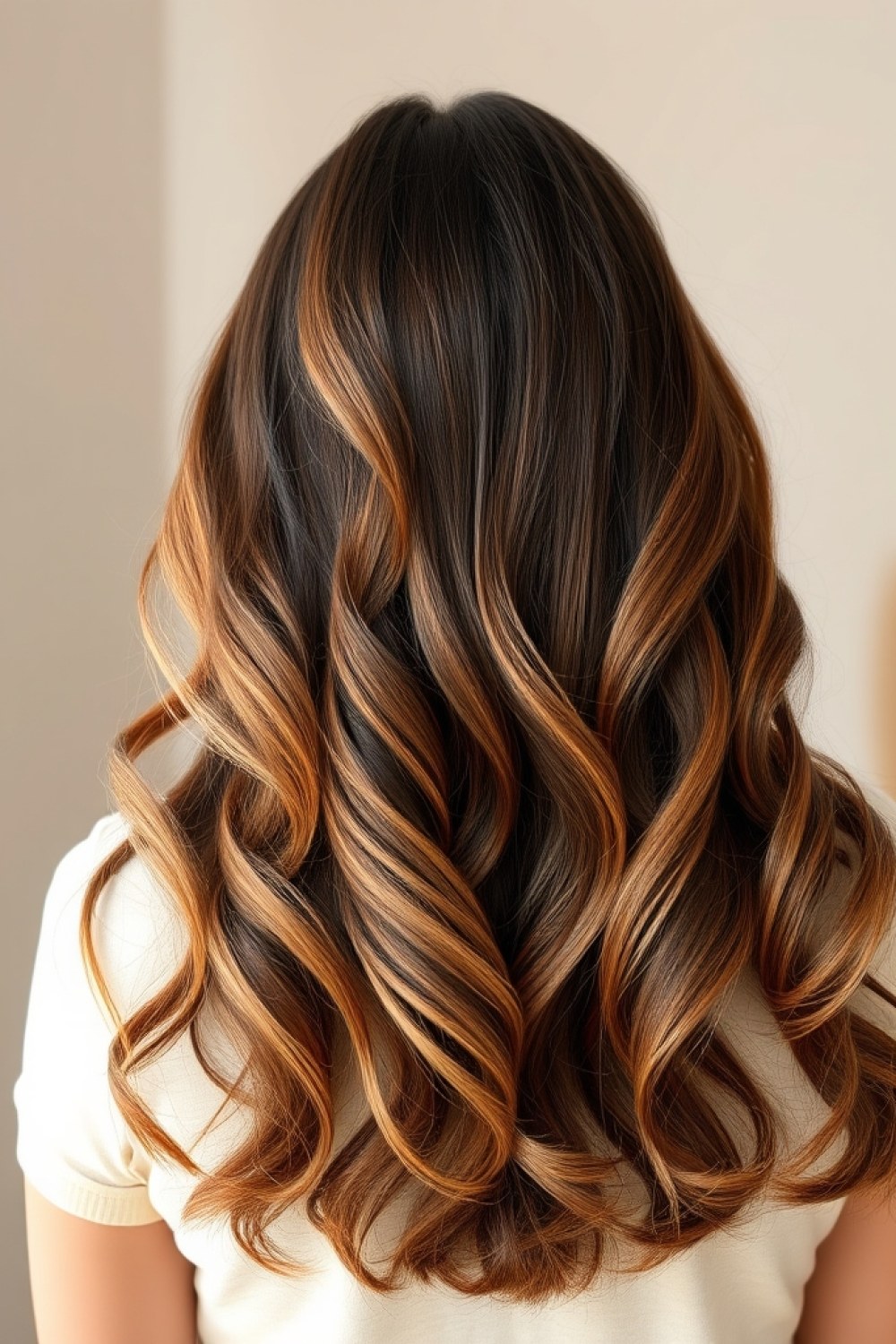
Curly and coily hair lifts unevenly because the bends in the strand reflect light differently and absorb product at different rates. A colourist should paint by curl pattern, not by a squared-off grid.
Getting from dark brown to honey usually takes two to three sessions with bonding treatments between each. Rushing it in one sitting is the fastest route to compromised curl and a mushy texture.
It suits curlies who are patient and willing to commit to a multi-appointment plan. The payoff is honey tone that still springs.
Tip: Book a curl-specific colourist and ask how many sessions they’d plan — anyone promising honey in one go is a red flag.
10. Warm Caramel for Olive Skin
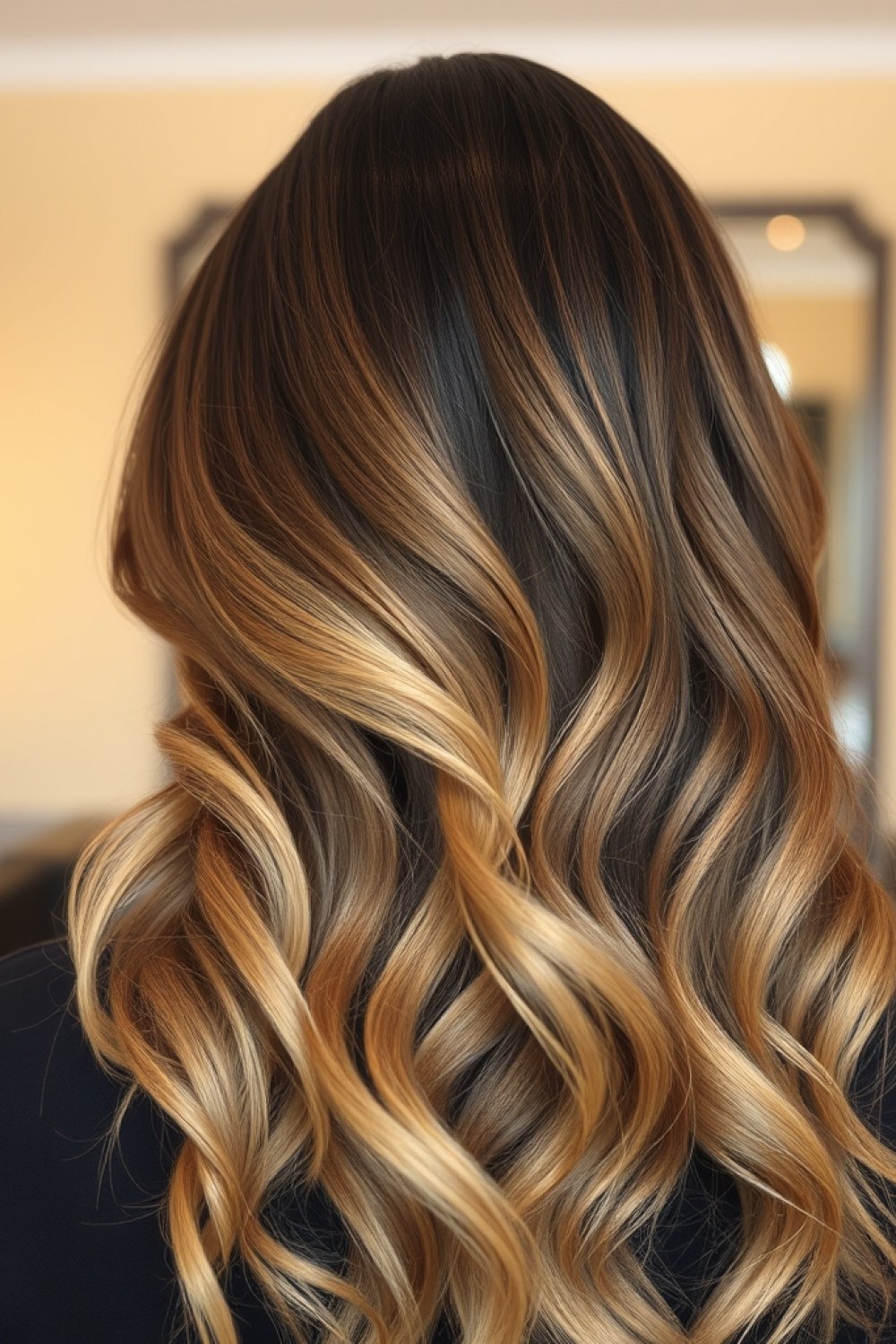
Olive undertones fight lemon and yellow-gold tones — they can pull sallow and grey rather than glowing. Lean copper-caramel instead, which brings warmth without the acid yellow.
A copper-honey gloss over your caramel is what keeps skin looking lit from within. The copper neutralises greenish undertones while the honey keeps it soft rather than red.
It suits medium to deep olive complexions especially, though fair olives can wear a lighter version. The key is testing the actual tone, not imagining it.
Tip: Ask to see swatches under daylight, not salon lighting — indoor bulbs lie about warm tones every time.
11. Honey Blonde for Cool Pink Skin
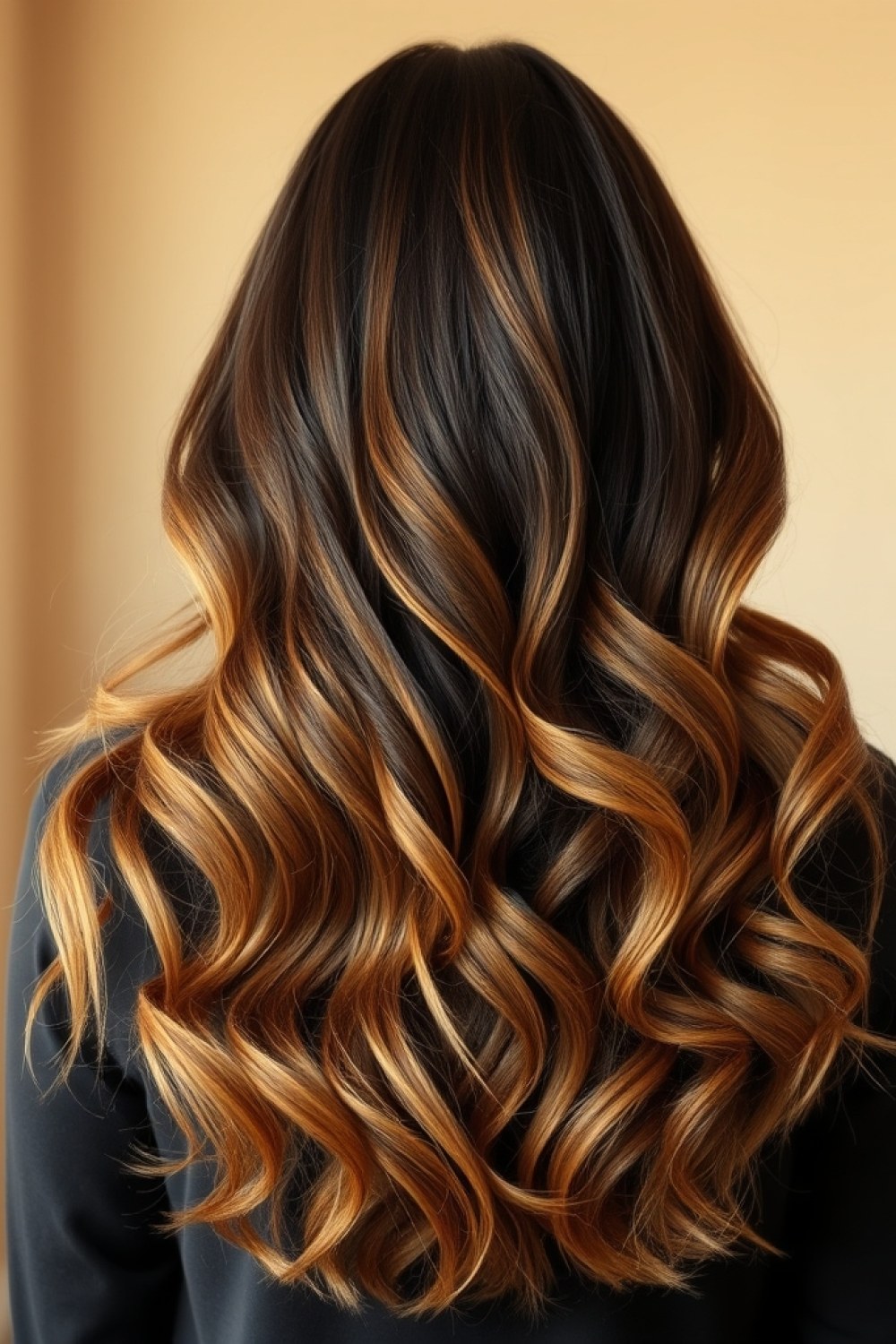
Cool pink undertones can wear gold beautifully — just not amber caramel. Choose a golden-beige with a touch of rose rather than a deep orange-gold.
Pink undertones go ruddy when the toner leans too brassy or too red. A beige-gold gloss bridges the gap, keeping the blonde warm but neutral enough to flatter your skin.
It suits fair-to-medium complexions with visible pink in the cheeks. You want the hair to look sunlit, not orange.
Tip: Request a beige-gold gloss at the end of your appointment — it’s your best defence against brass between visits.
12. Chunky Balayage, Editorial Vibe
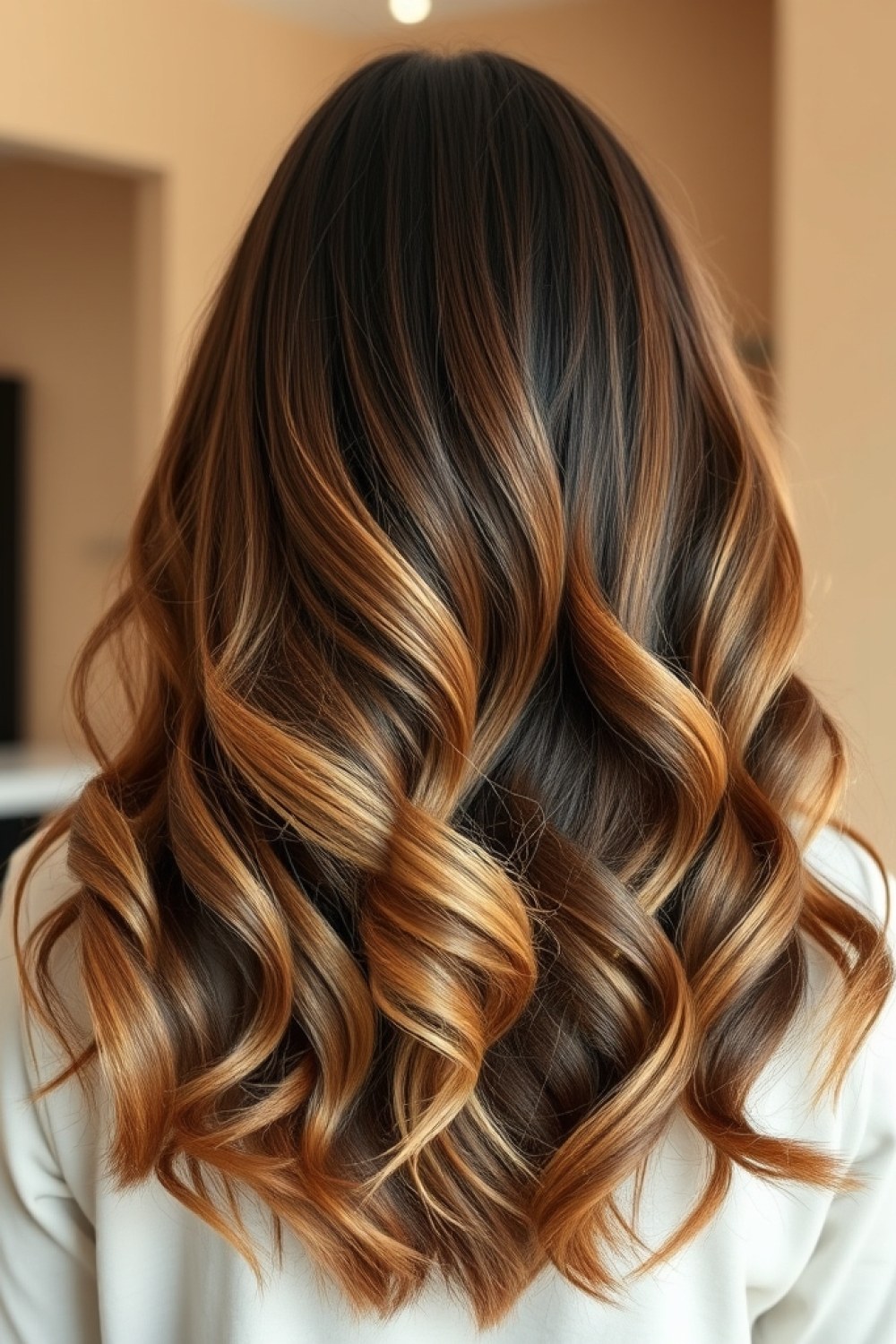
Chunky balayage uses wider, bolder sections for a less natural, more fashion-forward result. It’s deliberate and graphic — think runway, not beach.
It works best with a blunt cut, because the contrast between the clean horizontal line and the scattered gold is the entire point. On a heavily layered cut, chunky pieces can look accidental.
It suits anyone with strong, straight or gently waved hair who wants visible, intentional colour rather than a subtle wash. It’s a statement, not a blend.
Tip: Bring reference photos — chunky is a spectrum, and you and your colourist need to agree on exactly how bold.
13. Caramel Peekaboo Under-Layer
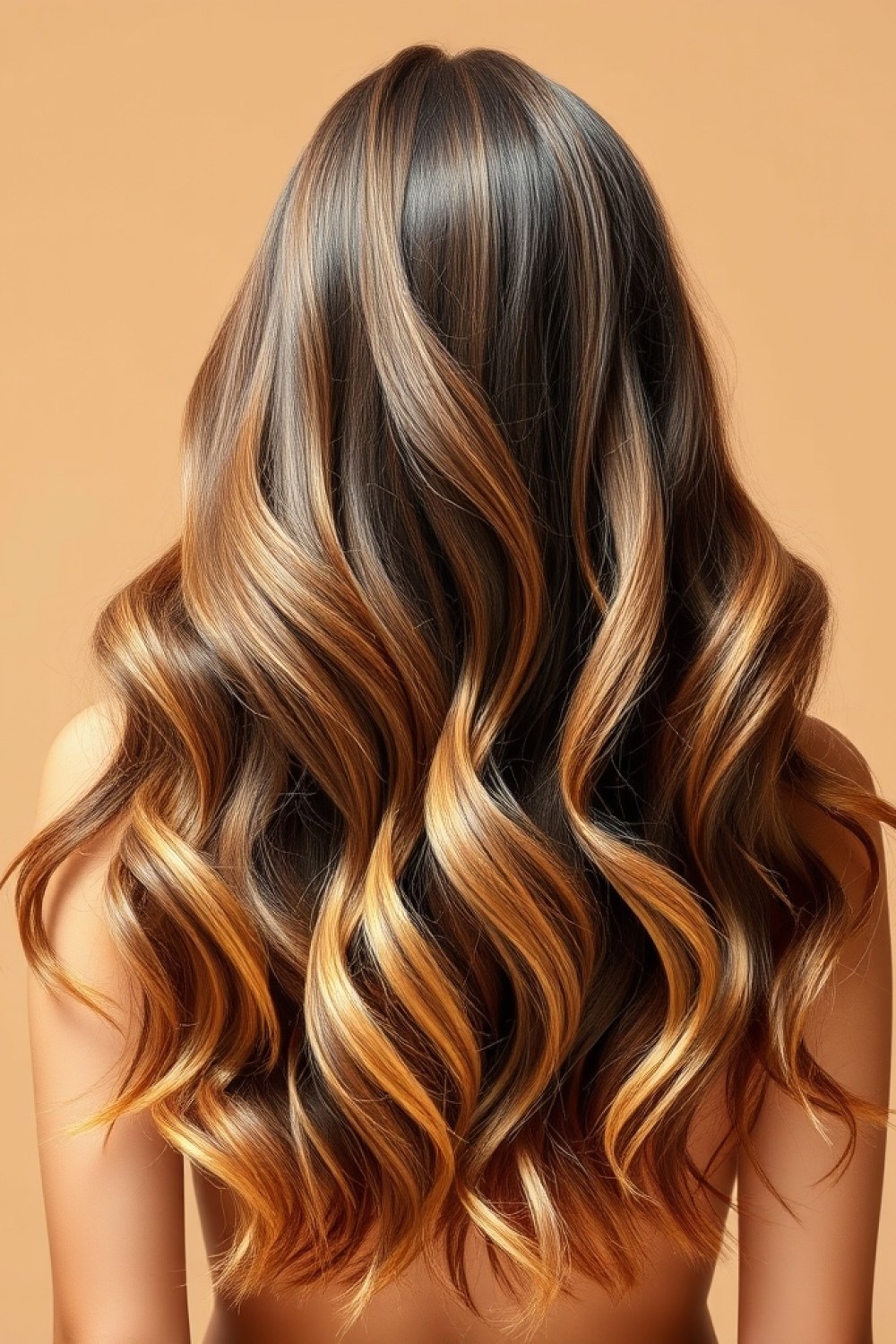
Peekaboo colour lives in the under-layers only — roughly the bottom third of your hair, from the occipital bone down. Slices are woven through that lower section and painted caramel, while the top canopy stays untouched dark brown. That’s what makes it office-safe: hair down looks completely natural.
It flashes when hair moves — a low pony, a half-up, a braid, a messy bun all reveal a streak of warm gold exactly where you want it. It also suits anyone growing out old colour, because the painted section can be cut away gradually.
Ask your colourist to keep the painted slices at least an inch below the crown so nothing bleeds through the top layer. Tip: book a gloss every 10–12 weeks to keep the caramel from drifting dull between full appointments.
14. Golden Blonde on Asian Dark Hair

A level 2–3 base holds a lot of pigment, so reaching golden blonde means a strong lightener and honest patience. Plan on two appointments roughly 6–8 weeks apart: session one lifts you into a warm caramel-copper zone, session two takes it to gold.
The trick is asking for a caramel-to-gold gradient rather than flat blonde. A gradient gives the lightener somewhere to land softly, and it sidesteps the orange midpoint that most people hit in session one — the colour still looks intentional instead of unfinished.
Your hair will feel drier after a double process, so budget for a bond-building treatment in the salon and a weekly at-home mask. Tip: take a photo of the gradient you want to your consultation and ask plainly how many sessions it needs.
15. Sunlit Ends With a Shadow Root
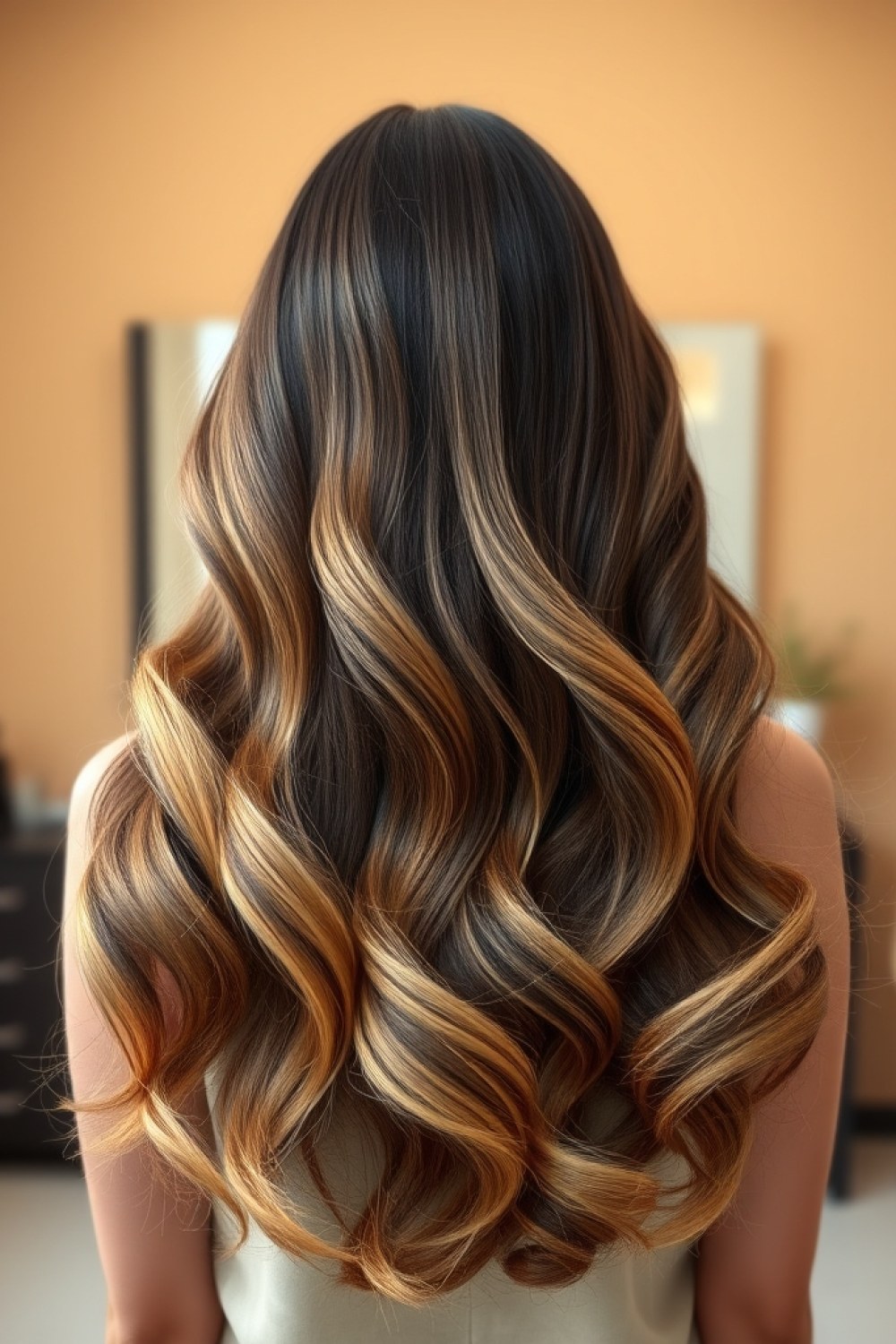
This is the lowest-maintenance version of the entire list. Colour sits only on the mid-lengths and ends — no highlights above the ear, no face-framing pieces, no roots to chase. A deep shadow root blends your natural dark brown straight into the lightened section.
Because nothing touches the scalp, regrowth is basically invisible. Keep up with trims every 10–12 weeks and a clear or purple-free gloss every few months, and the shape holds for nearly a year without a full re-lightening.
It suits anyone who wants warmth without salon visits every six weeks, and anyone who’s nervous about commitment. Tip: ask for a gloss, not a toner — purple-free formulas keep the ends golden instead of grey.
16. Butterscotch Balayage on Reddish Brown
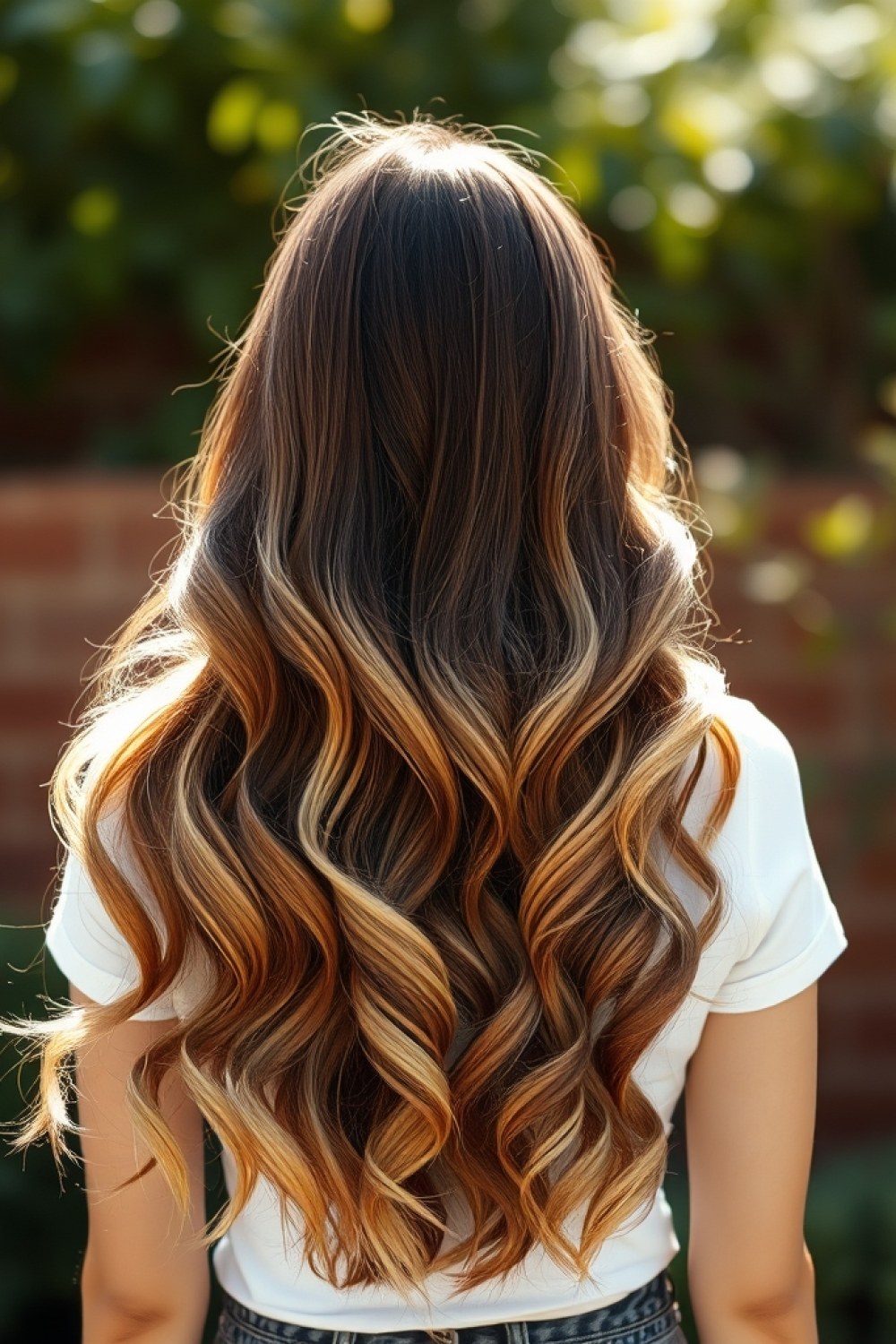
If your natural brown already carries red or auburn in it, stop fighting it. Butterscotch and honey sit right on top of that undertone, so the lift reads as sun-kissed warmth rather than a battle you’re losing against orange.
Skip ash toners entirely here — they turn reddish bases muddy and grey, and they’ll strip the glow you actually want. Weave the butterscotch through the mid-lengths and ends, keeping the saturation strongest around the face.
This is the easiest blend on the list to maintain, because every shade involved is already in the warm family. Tip: tell your colourist upfront that you want to work with the red, not neutralise it — that single sentence changes the whole formula.
17. Golden Blonde Bottom Half for Short Cuts
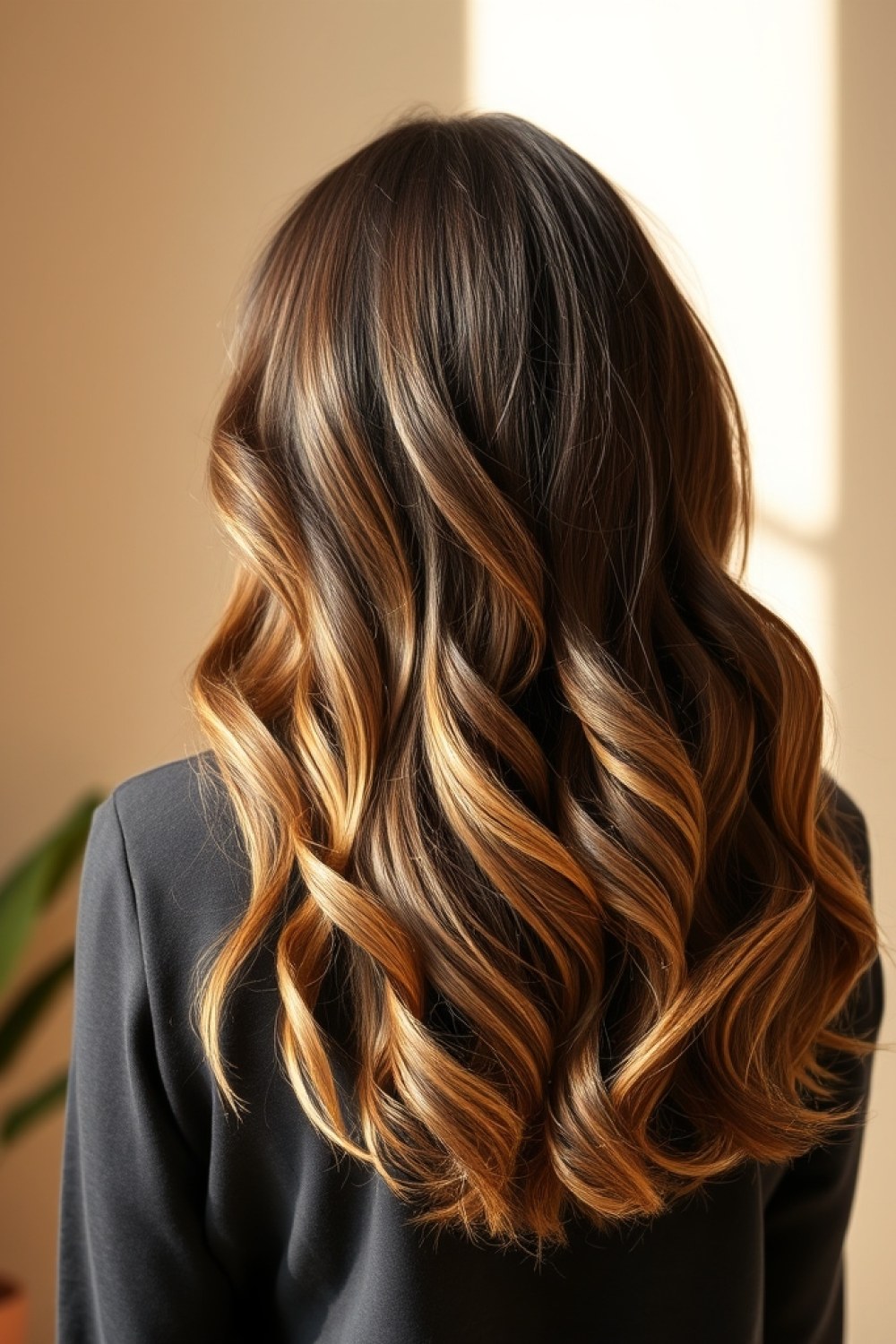
On a bob or lob, placement matters more than technique. Start the melt at the ear and take it down, so the top half stays deep brown and the bottom half glows. That line gives short hair structure and makes the shape look deliberate.
A blunt bob with honey ends is one of the sharpest looks here — the clean cut plus the colour contrast reads modern and bold without being loud. It also flatters jawlines and cheekbones, because the lightest point sits right at the perimeter.
Short hair grows out fast, so expect a trim every 6–8 weeks to keep the line crisp. Tip: ask for the melt to start slightly above the ear if you want a softer, less graphic transition.
18. Caramel Balayage With Blonde Ends
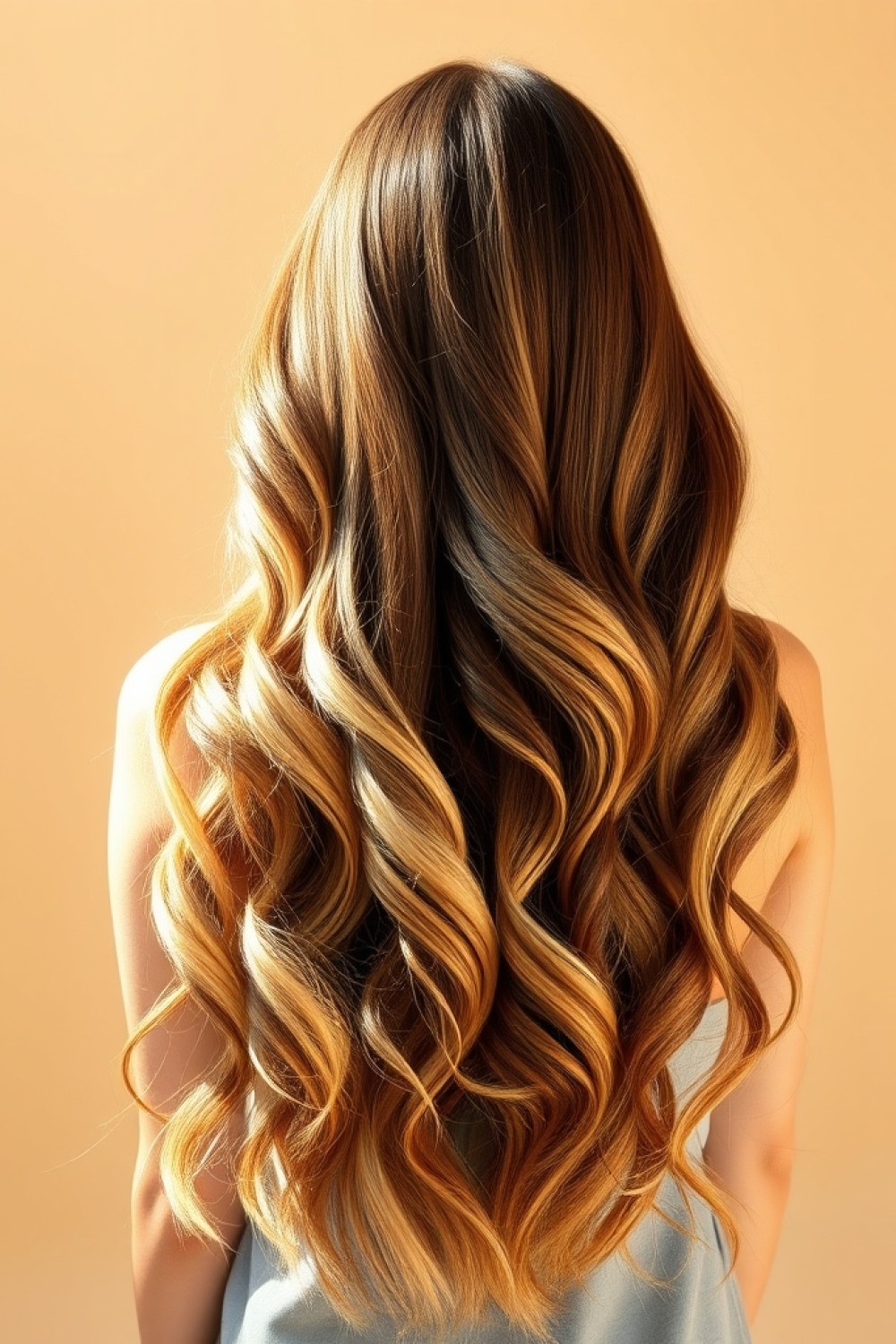
Three tones — dark brown at the root, caramel through the mid-lengths, pale gold at the ends — give the richest dimension of anything on this list. Each shade hands off to the next, so light catches differently at every level.
The one thing to get right: ask for it as a gradient, not three separate colours. If your colourist paints distinct bands, you’ll get stripes. A true gradient blurs the transitions so the whole thing reads as one continuous melt.
It suits medium to long hair best, since you need length for all three tones to show. Tip: bring a photo showing the blur you want and say the word “gradient” out loud at consultation.
19. Low-Contrast Honey for a Subtle Lift
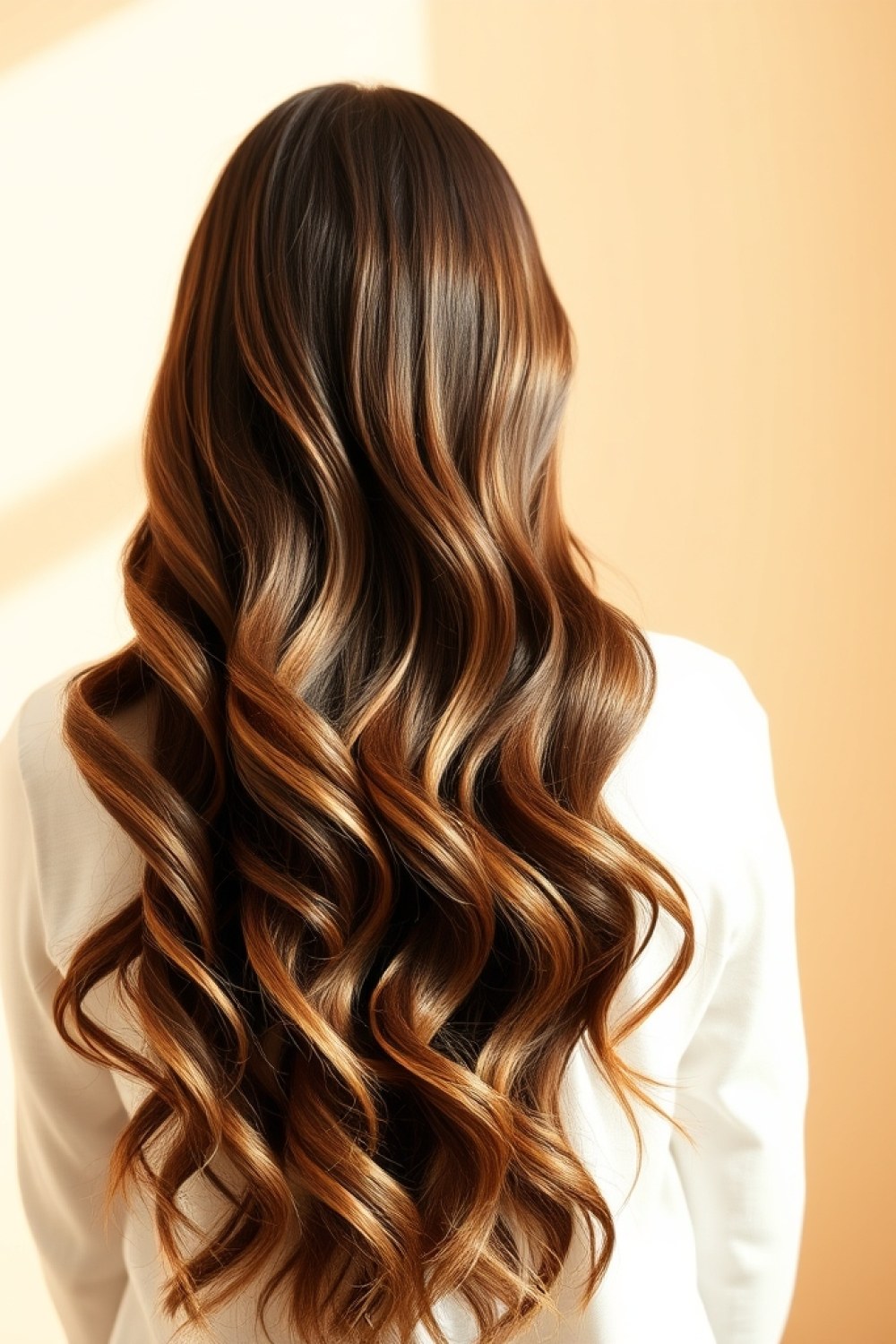
Low-contrast honey balayage stays within about three levels of your natural dark brown, so the grow-out is a soft fade rather than a hard line. The colourist paints fine ribbons through the mid-lengths and face frame, leaving the deep base as your anchor. You get glow, not stripes.
It’s the safest pick if you’re nervous about commitment or have an office dress code that frowns on obvious highlights. Because the lift is gentle, there’s far less risk of orange peeking through during the fade.
Ask your colourist to keep the brightest pieces around your face, where light naturally hits — then book a toner at week eight to keep it fresh.
20. Honey Balayage on Fine Hair

On fine hair, the trick is building depth without bulk. Your colourist should take fine, thin sections and place the foils close together — this creates a denser, more even blend instead of sparse streaks that look stringy by week three. The honey tones read richer because there’s less dark base showing between them.
Skip heavy root smudges or a dark shadow root. On fine strands they flatten the look and drag everything down. A light demi gloss over the whole head is usually enough to fuse the tones and add a little body.
Book a mini-foil refresh every ten to twelve weeks rather than a full balayage — smaller, cheaper and it keeps fine hair from thinning out visually.
21. Golden Balayage on Thick Hair
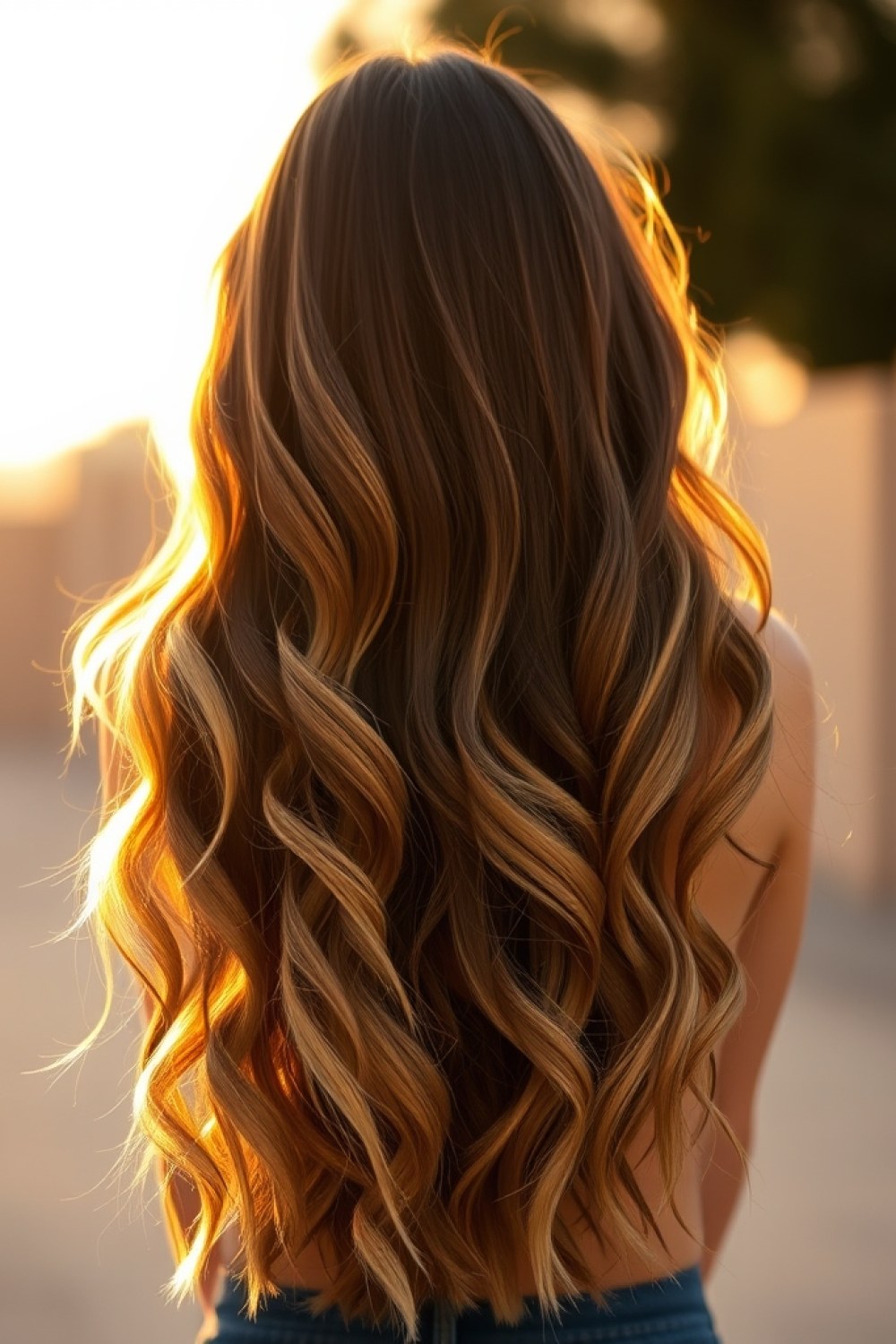
Thick hair does the opposite: it can handle bolder weaves, chunkier ribbons and a wider caramel band without ever tipping into harsh territory. The density absorbs colour, so pieces that would look stripy on fine hair read as smooth dimension here.
The real work happens in the cut. Ask for internal layers or invisible layers so the golden ends move and show through the lower lengths rather than sitting on top like a helmet. Without that structure, even beautiful colour can look heavy.
Request a slightly wider caramel band through the mid-lengths — you have the room for it, and the payoff is a deeper, more molten blend.
22. Caramel Balayage for a Brunette Grown-Out Ombré
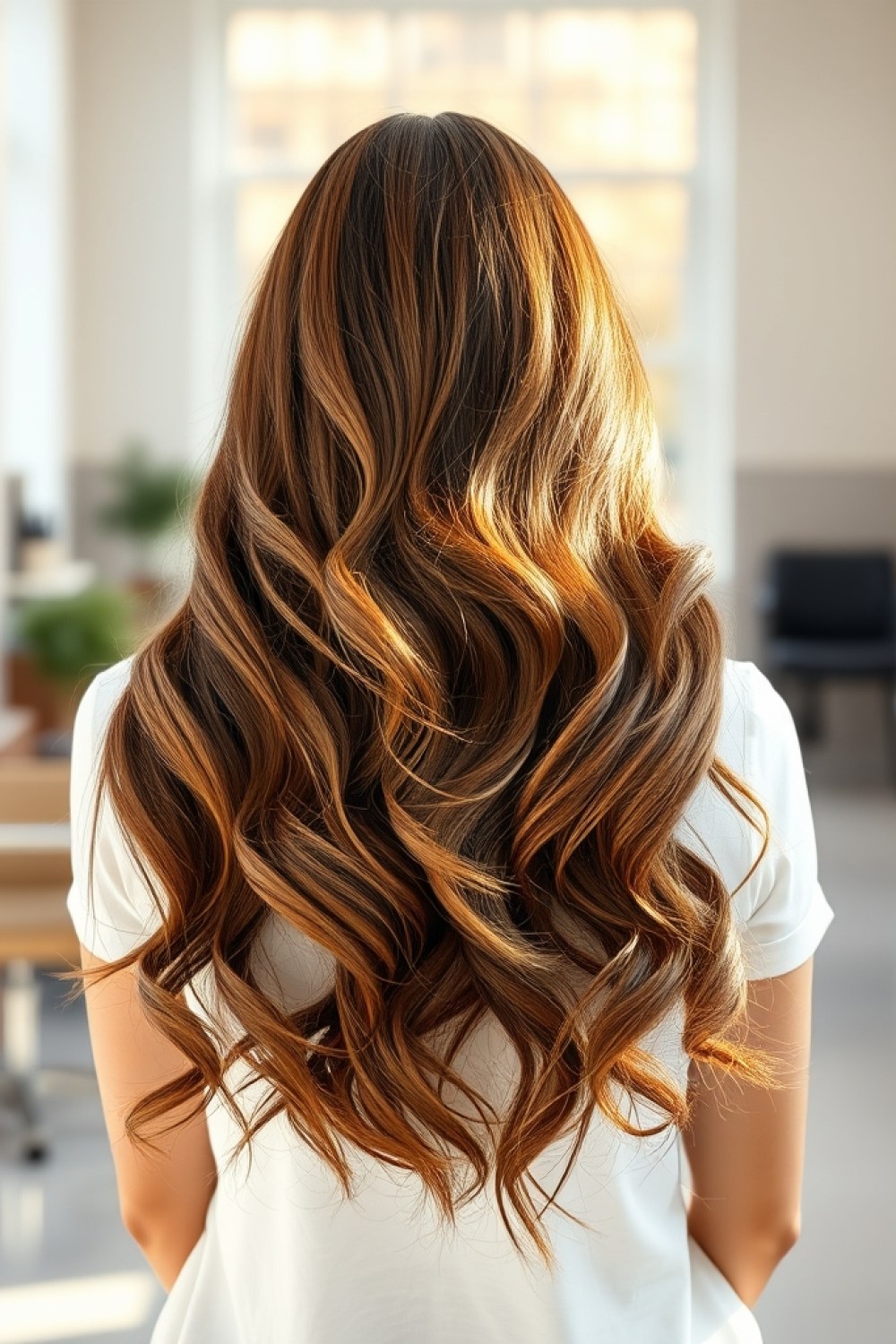
Got an old ombré with a visible transition line? You don’t need to start over. A colourist can paint caramel directly over that hard divide, melting the edge between your darker roots and the faded ends. The caramel warms the whole gradient and blurs the line you’ve been staring at.
This is a repair job, not a rebuild — it costs less than a full balayage and takes fewer hours in the chair. The final tone is warmer and softer than the ashy leftovers most old ombrés turn into.
Show your colourist the exact spot where the old lightener starts; that transition zone is where the magic happens.
23. Golden Blonde Balayage With a Warm Gloss
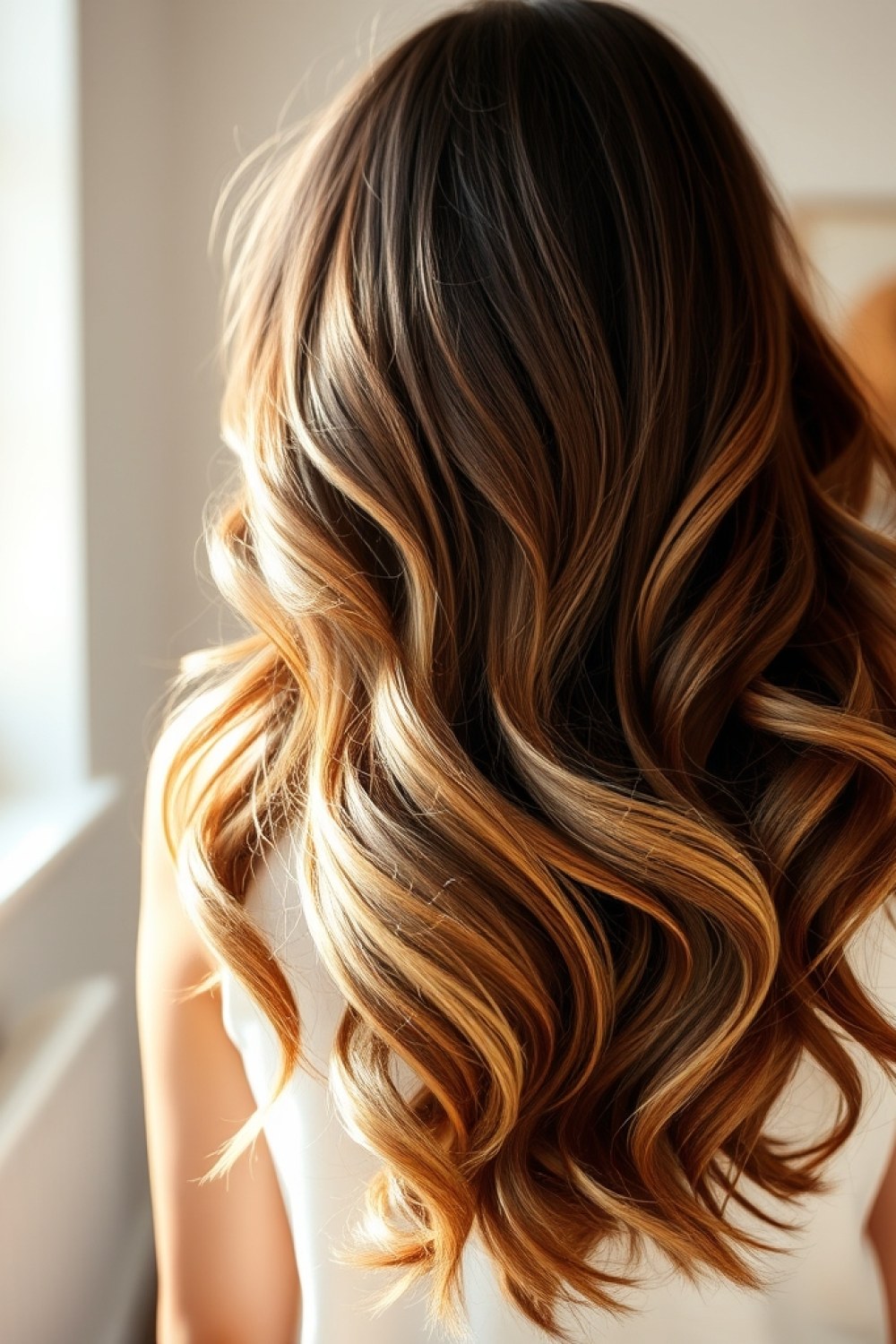
A gloss every six to eight weeks is what separates fresh, dimensional colour from tired, flat gold. Ask for a honey-beige demi-permanent gloss — it refreshes shine, neutralises any yellow creeping in and re-anchors the warmth without lifting the hair again. No damage, no commitment, just a reset.
Once the gold goes dull or brassy, no amount of purple shampoo fully brings it back. A gloss is quick, usually thirty minutes, and it’s largely what your colourist does at the end of a balayage anyway.
Book your gloss on the same schedule as your trims, and your colour will still look salon-fresh at week seven.
24. Caramel Balayage for Black Hair
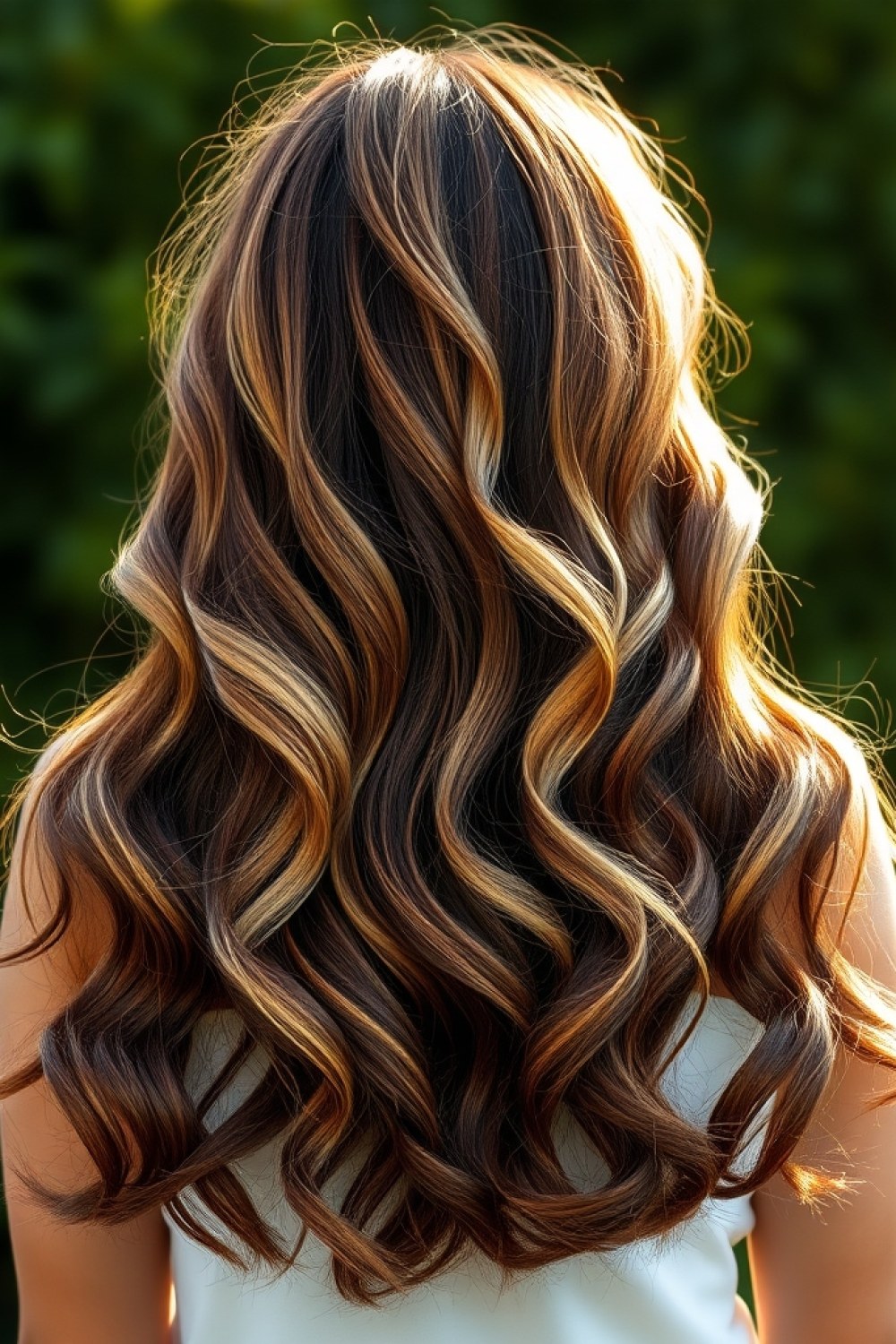
On a level one black base, choose caramel over honey-gold. True honey blonde on very dark hair demands serious lift — often four or more levels — which stresses the strands and risks an orange stage nobody wants. Caramel sits a couple of levels higher, so the leap is smaller and the hair stays healthier.
Your colourist should paint a caramel that’s warm and rich, designed to glow against black rather than contrast hard with it. The grow-out is softer too, since the difference between black and caramel is a blend, not a Sharpie line.
Ask for a strand test first — it tells you both how your dark hair lifts and how it holds that caramel tone.
25. Golden Blonde Balayage With Babylights
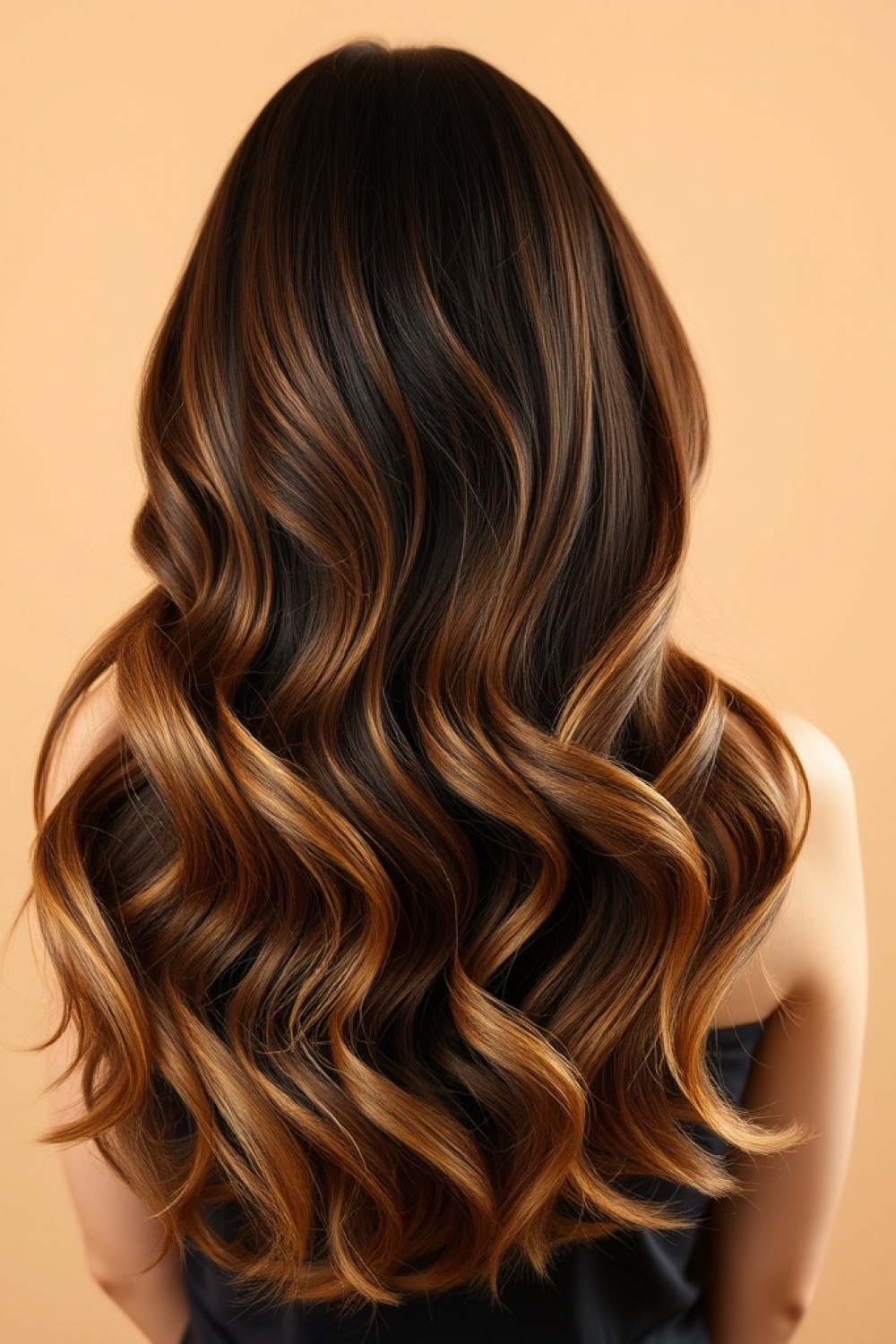
Babylights are ultra-fine, densely woven highlights painted in thin sections, and threading them through your balayage mid-lengths softens the line where dark brown meets gold. The result reads believable up close — no chunky stripes, no visible “dip” mark.
Ask your colourist to sweep babylights from around the ear line down through the mid-lengths, keeping the root shadow intact. Budget an extra 30–45 minutes and expect a toner at the bowl to meld the two techniques.
Perfect if you wear your hair up or pulled back often, since the blend shows from every angle. Tip: photograph your hair in daylight two weeks before your appointment and bring it in — it shows your colourist exactly how your base lifts.
26. Honey Balayage With a Copper Kiss
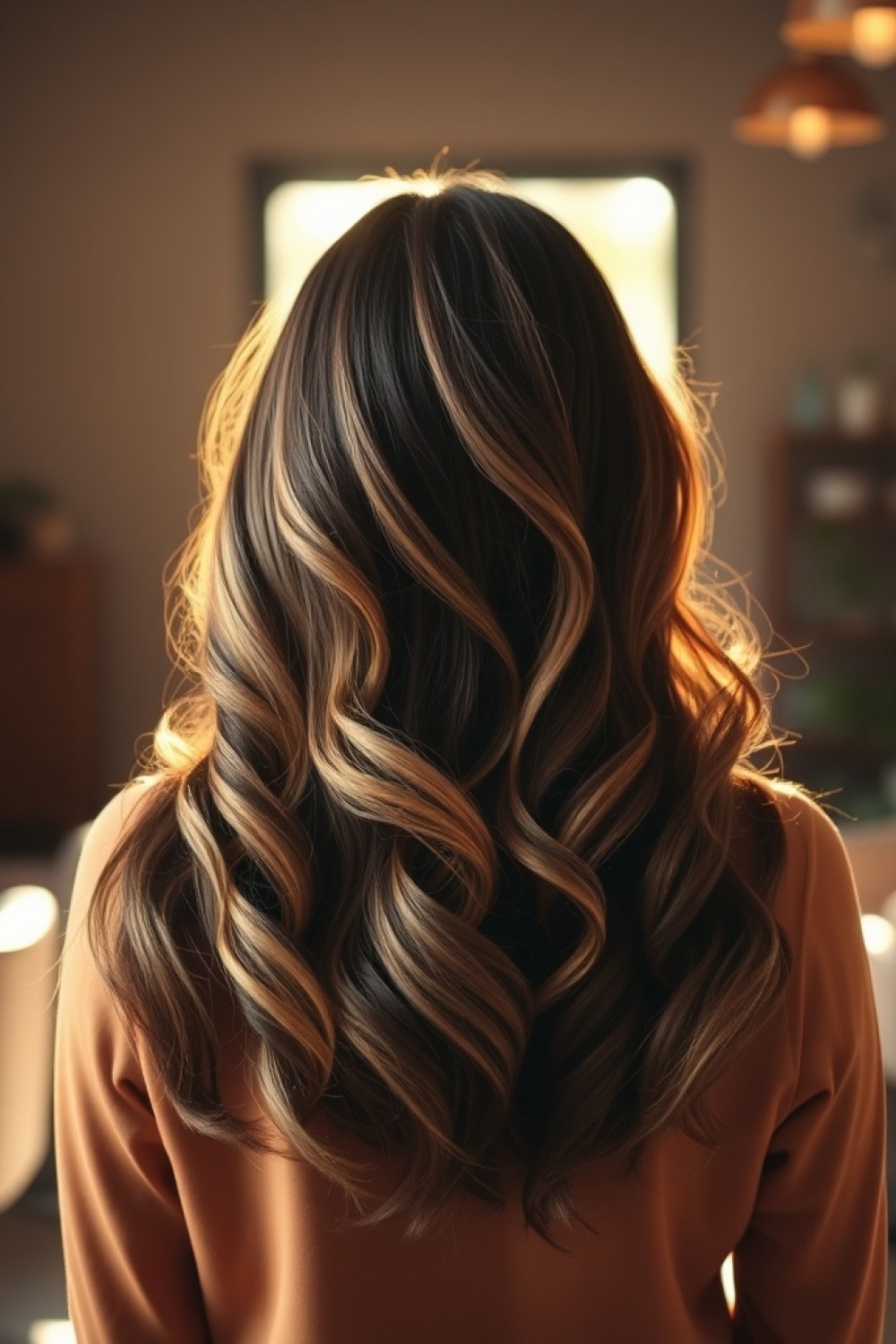
A copper kiss means a small amount of copper — roughly 10–20% of the lightening formula — added to your honey toner. It stops warm blonde from drifting orange by giving the gold a richer, deeper undertone to sit on.
This suits medium brown bases and anyone whose skin glows more in gold jewellery than silver. It also holds its tone longer than pure golden blonde, which fades fastest of all the warm shades.
Keep the copper in the toner and gloss, not the lightener, so you never risk a hot orange band. Tip: book a gloss refresh every 6–8 weeks and ask them to boost the copper slightly each time — it keeps the warmth rich instead of washed out.
27. Caramel Balayage That Grows Out Golden

This is the low-maintenance dream: a formula that lifts your dark brown to a warm level 7, then tones down to soft honey-beige. As the toner fades, the underlying warmth is gold, not orange, so the colour stays flattering for months.
It works because the lift and the tone are planned together — your colourist chooses a lightener that reveals golden pigment rather than red, and a toner with beige to soften it. Regrowth blends into the balayage instead of forming a line.
Ideal if you stretch appointments to 4–5 months. Tip: on your next visit, ask specifically for a “warm level 7 honey-beige” and mention that grow-out is the goal — that one sentence changes the whole formula.
Frequently Asked Questions
Will honey blonde balayage go orange on dark brown hair?
Not if the lightener lifts to the right level before toning. Orange shows up when the hair is undertoned, or when someone tones ash over warm pigment that never got lifted high enough to support it. A honey-beige gloss applied at the right level is what keeps it golden instead of brassy. Ask your colourist upfront which level they’re targeting on your ends — once you know the plan, you can spot a rushed lift before it happens.
How many sessions does caramel balayage need on very dark hair?
Usually two, sometimes three if you’re starting from black or very dark brown. Staging the lift protects the hair and gives you a softer gradient — a single-session push all the way to honey blonde tends to leave the mid-lengths orange and the ends fragile. Budget the money and the months for it, and plan a gloss in between sessions to keep the tone wearable.
How do I keep golden blonde ends from turning brassy?
Wash with a colour-safe, sulphate-free shampoo, and book a warm-gold or beige gloss every six to eight weeks. Skip purple shampoo unless you genuinely want to cool the tone — on golden hair, leaning on it too often turns the colour flat and ashy. Always use heat protectant before hot tools, and keep the iron temperature low on your lightened ends.
What should I ask for at the salon for this exact look?
Say it plainly: “Honey golden blonde balayage on my dark brown, warm-toned, with a root smudge and a beige-gold gloss.” Bring two or three reference photos shot in daylight so the warmth reads true. Then ask what level they expect your ends to reach in this session — that one question prevents most disappointing first appointments.
Choosing Your Blend Before You Book
Start with placement, because that decision drives everything else. Front-frame pieces if you want a visible change you’ll catch in every mirror; under-layers if you want the warmth to peek through only when you move; end-only if low maintenance matters more than drama. Then colour-match to your skin undertone — copper-caramel flatters olive skin, golden-beige keeps cool pink tones from looking washed out.
Once you’ve narrowed it to your top two ideas, take both to your colourist and ask which one your hair can realistically reach in a single session. The right answer isn’t always the one you pinned — but it’s the one you’ll still love at week six.