
17 Red Copper Balayage Looks That Glow in Any Light

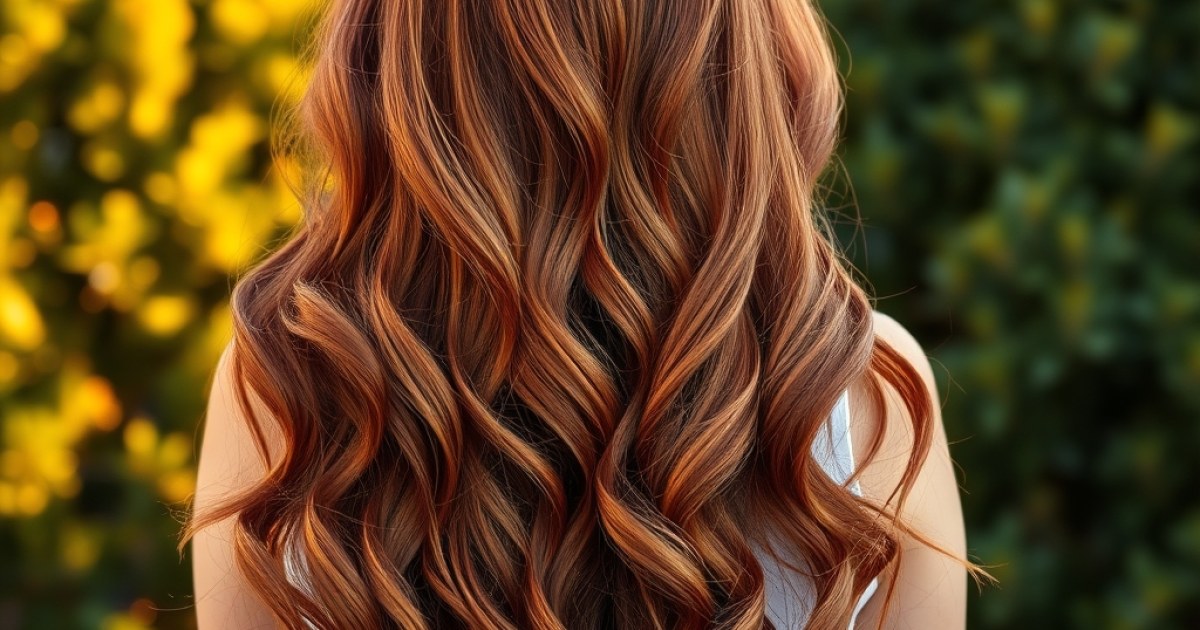
It’s 11pm and you’re scrolling your camera roll with the flashlight on, trying to work out whether that rust-orange glow was the restaurant lighting or the actual hair color you want on your head. You screenshot it anyway. Then you screenshot four more. That’s usually the moment red copper balayage ends up on your mood board for good.
Red copper balayage does something most warm colors can’t. It glows in candlelight, flatters in daylight instead of going brassy, and grows out softly with no harsh line at the roots. It also reads completely differently depending on your base — molten on black hair, sunlit on medium brown, rich and dimensional on dark brown that’s already got some warmth underneath.
Below are 17 variations, from subtle face-framing ribbons to full molten copper melts, plus how each one behaves on dark bases, what to ask your stylist for by name, and the upkeep nobody warns you about. Save the ones that feel like you and bring them in — we’ll translate them into something your hair can actually do.
1. Molten Copper on Espresso

Best for: medium to thick hair that already sits at a deep brown or espresso level.
Nothing says “expensive” like a color that looks lit from within. Here the roots stay dark and untouched, and the copper is painted only through the mid-lengths and ends. The result is a slow burn — the shade almost smolders rather than shouting, and it catches every bit of light you walk past.
Ask your colorist to use a level 6-7 copper gloss rather than a permanent dye on the ends. A demi or gloss melts into the base softly and fades without a hard line, so regrowth never looks abrupt. Because the roots are left alone, this is genuinely low-maintenance between appointments.
Try this: If your hair is fine, keep the painted section below the jawline — copper sitting higher up can look see-through on thinner strands.
2. Copper Ribbon Money Piece
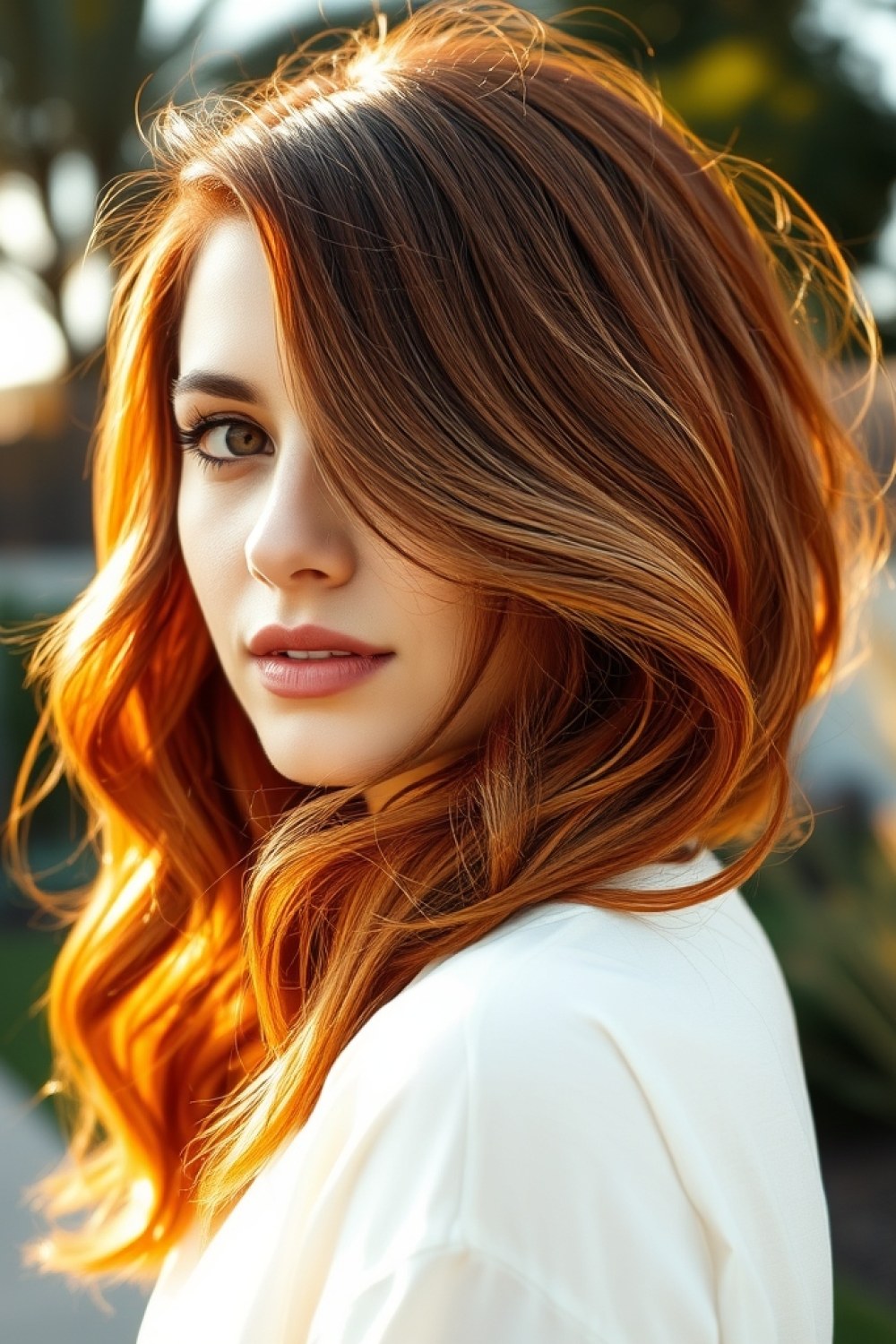
Best for: anyone testing the copper waters before committing to a full head.
Two narrow face-framing ribbons in bright copper against your natural dark base — it’s the difference between “nice hair” and “wait, did you get something done?” The contrast hits right at the cheekbone, so photos suddenly look a lot more interesting.
Width is everything. Keep each ribbon around 1 to 1.5 inches. Go wider and it drifts into territory that reads very 2000s stripe, which is rarely the goal.
Try this: Say “money piece, not chunky highlights” to your stylist and show a photo — this is one that needs to be measured, not guessed.
3. Auburn Melt Bob
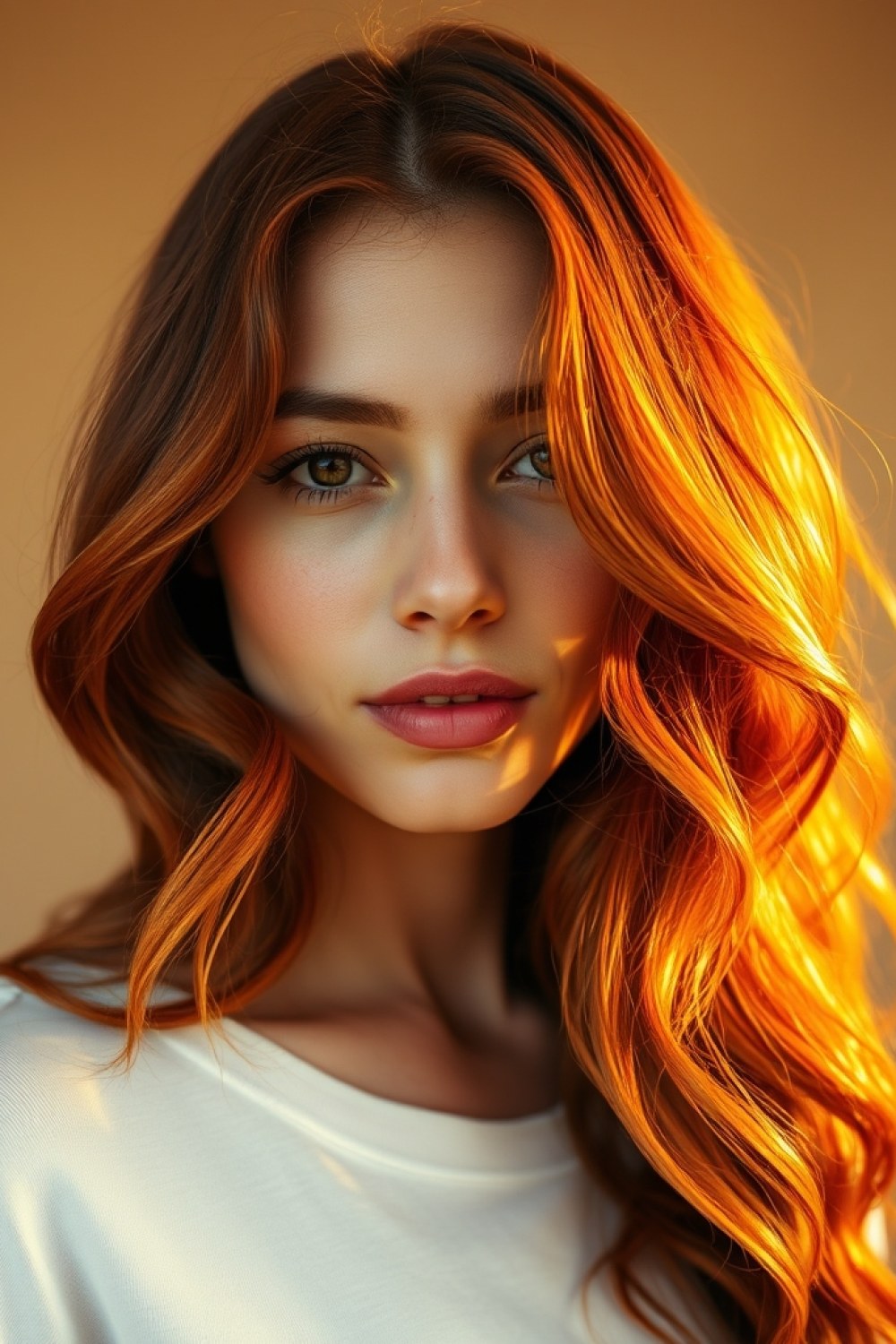
Best for: chin-length or collarbone bobs on straight-to-wavy hair.
Copper starts around the ear and slowly deepens into a richer auburn toward the ends. The whole thing reads like your hair caught late afternoon sun on one side only, which makes short cuts feel far more dynamic than a single flat color ever could.
Blunt cuts show the melt best — a clean line gives the copper somewhere to land. Wispy or heavily layered ends tend to scatter the color shift and you lose the effect.
Try this: Book a gloss every 6-8 weeks. Bobs show brassiness fast because the ends are close to your face, so a quick tone keeps it fresh and glassy.
4. Sunlit Copper Curls
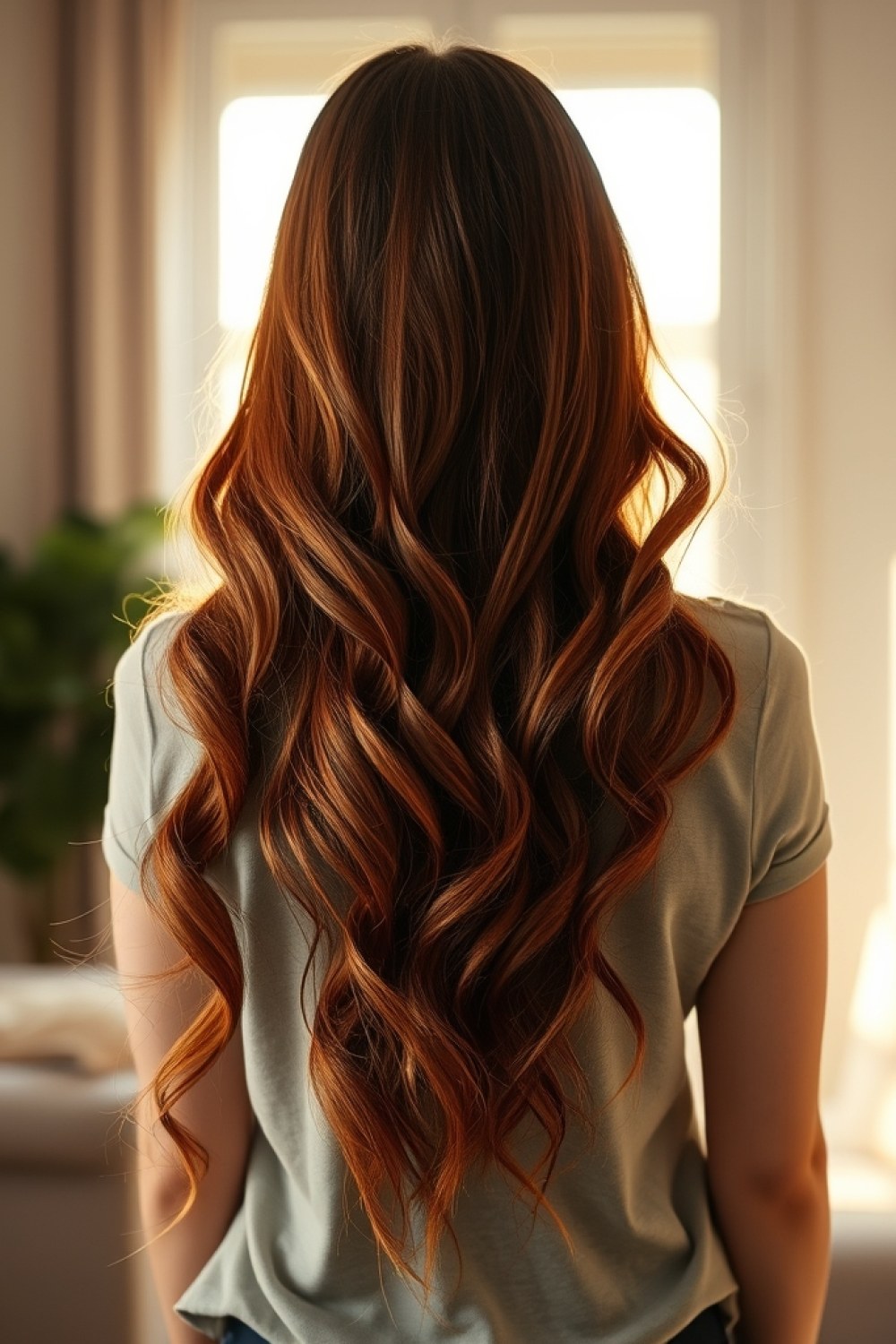
Best for: curly and coily textures, from 3A ringlets to 4C coils.
Curls and copper are a natural pair. Every coil becomes a tiny reflector, so light scatters in a dozen directions and the color looks alive and dimensional rather than flat. Straight hair simply can’t do this.
Ask for the balayage to be applied on dry, stretched hair. That way your stylist can see your real curl pattern and build the placement around where your definition actually falls — doing it wet hides all of that.
Try this: Choose one shade lighter than your instinct says. Curls throw shadow into themselves, so the same formula reads noticeably darker on spirals than on straight strands.
5. Copper Over Black
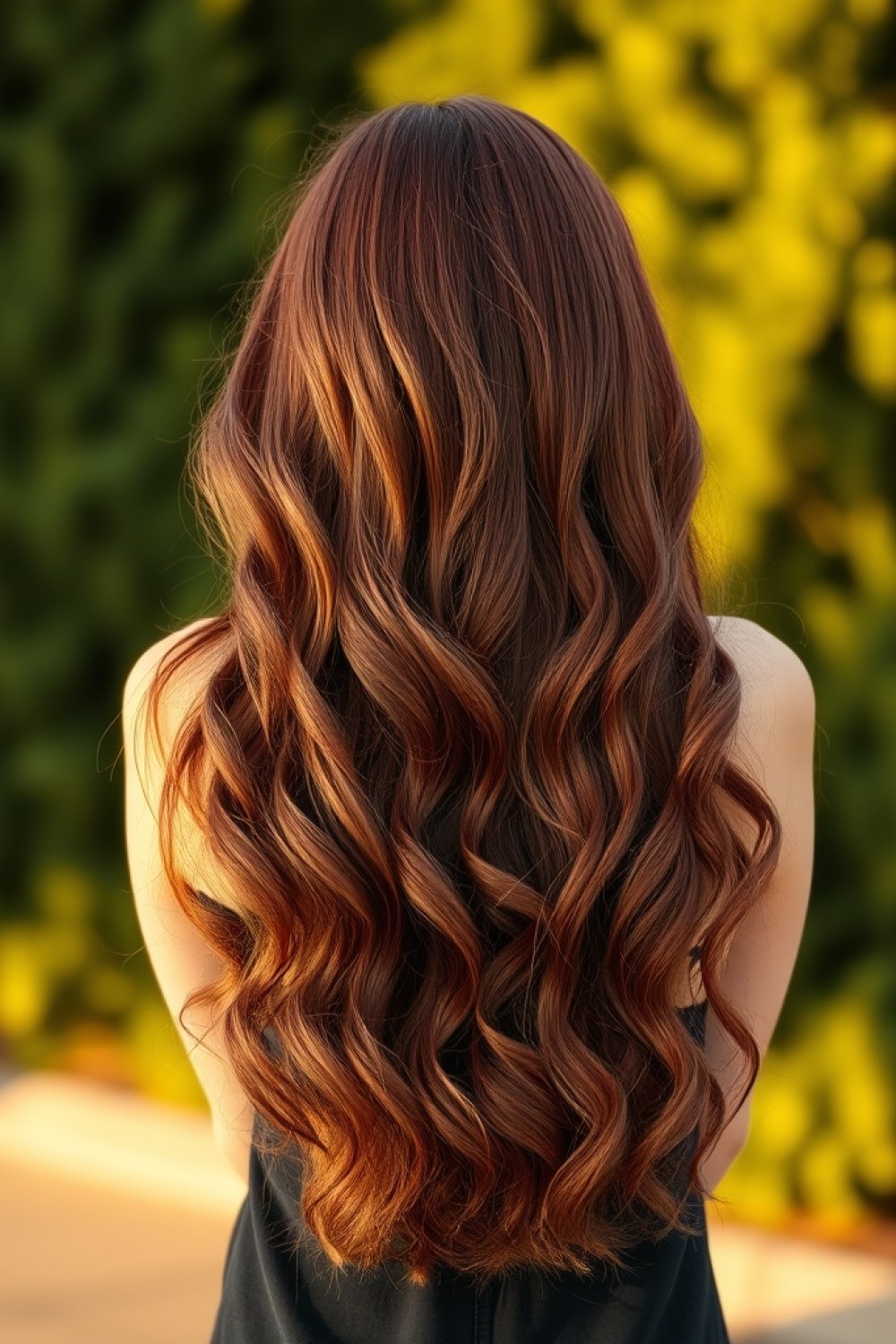
Best for: natural black or jet-dyed hair that’s ready to be patient.
Yes, it genuinely works — but black doesn’t lift to copper in one sitting. Expect a warm, deep rust once the first round is done, not the vivid orange you may have saved to your board. That comes later, if you want it.
Your stylist will need to lift the base first, usually with a gentle lightener spread across multiple sessions to protect the hair’s integrity. Slow here is a feature, not a flaw.
Try this: Ask for a strand test before the full service. Virgin black hair often needs two appointments spaced 6-8 weeks apart — booking the second one while you’re still in the chair saves the scramble later.
6. Rose Copper Blend
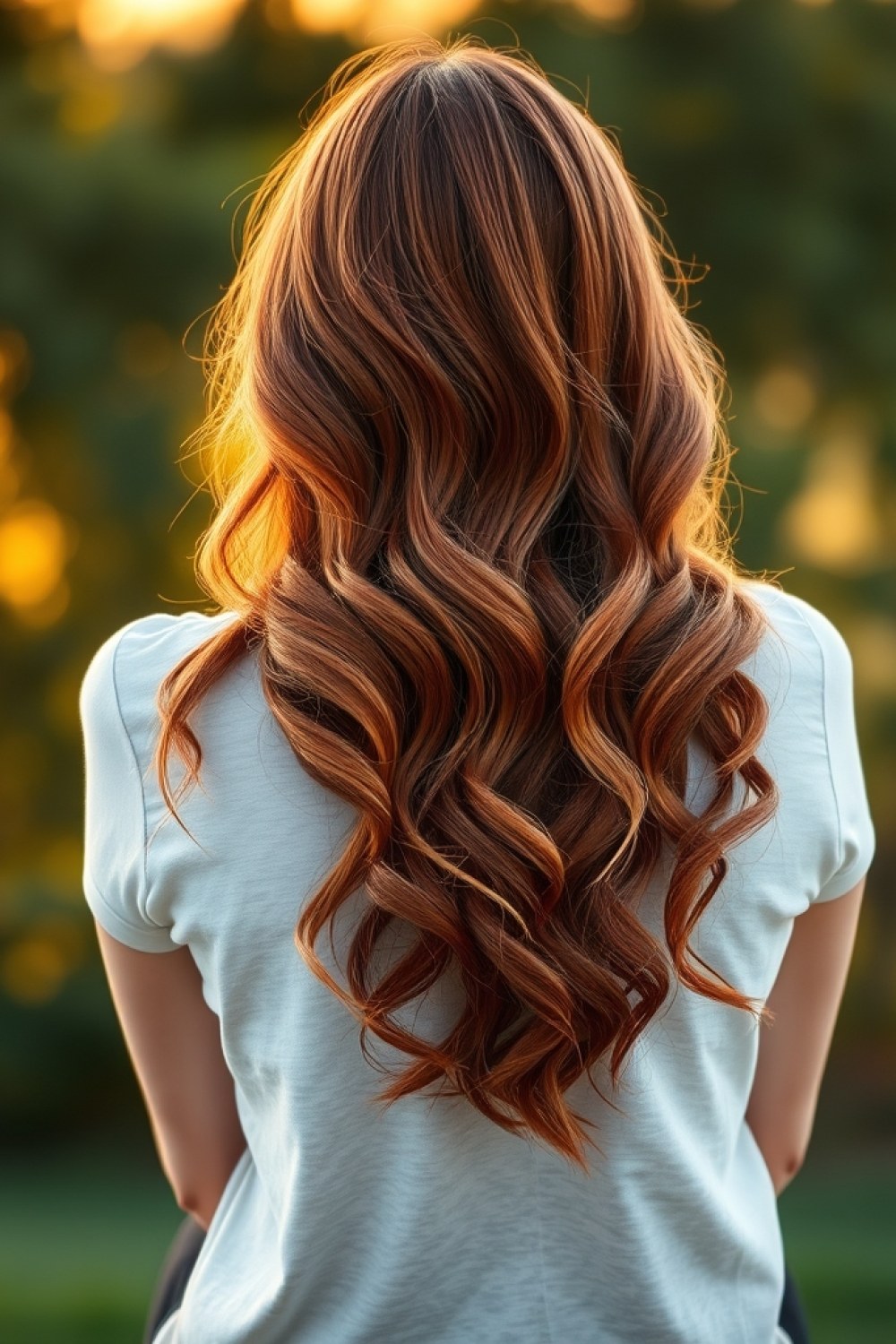
Best for: fair, cool-toned skin that finds a straight orange too harsh.
Copper with a whisper of pink running through the mid-lengths — the pink isn’t a separate block, it’s built into the copper formula. That distinction matters. Mixed in, the fade stays graceful instead of leaving you with a pink patch drying out in week three.
The result is softer and slightly more romantic than pure copper, and it photographs beautifully in cool or diffused lighting where orange can turn sallow.
Try this: Ask for “copper with a touch of rose gold in the formula,” and describe the warmth level you want — a good colorist can tweak the pink-to-copper ratio to match your skin tone exactly.
7. Copper on Mousy Brown

Best for: Grown-out natural dark blonde or light brown that reads dull and ashy in photos.
Copper lifts mousy brown out of that in-between zone fast. A single-process copper glaze plus balayage ends delivers dimension in about 90 minutes, no full base change required.
It’s genuinely low-maintenance — roughly 10 to 12 weeks between appointments — and fades into a soft strawberry rather than a hard line.
Try this: Ask for a level 7 copper glaze with a demipermanent formula so it fades kindly, and book a gloss refresh at week six.
8. Firelight Long Layers

Best for: Long hair past the shoulders where a solid block of copper would look heavy.
Color sits on the last 4-6 inches and transitions softly through the layers, so movement does the work. The trick is feathering the placement rather than painting a straight band.
Because copper reflects light so strongly, it shows heat damage, split ends and dryness faster than dark hair ever did.
Try this: Round-brush the ends inward on medium heat, always with a heat protectant, and trim every 10 weeks to keep the bright ends crisp.
9. Copper Curtain Bangs

Best for: Anyone who wants to test copper before committing the whole head.
Curtain bangs colored a half-shade brighter than the rest of the hair frame the face and catch light immediately. Kept piece-y rather than solid, regrowth stays far less obvious.
It’s also the cheapest salon experiment you can book — no foil packets, no full saturation, just face-framing pieces.
Try this: Ask for a face-frame highlight and a copper toner on the bangs only, and blow-dry them with a small round brush so they sweep instead of sitting flat.
10. Burnt Copper Shadow Root
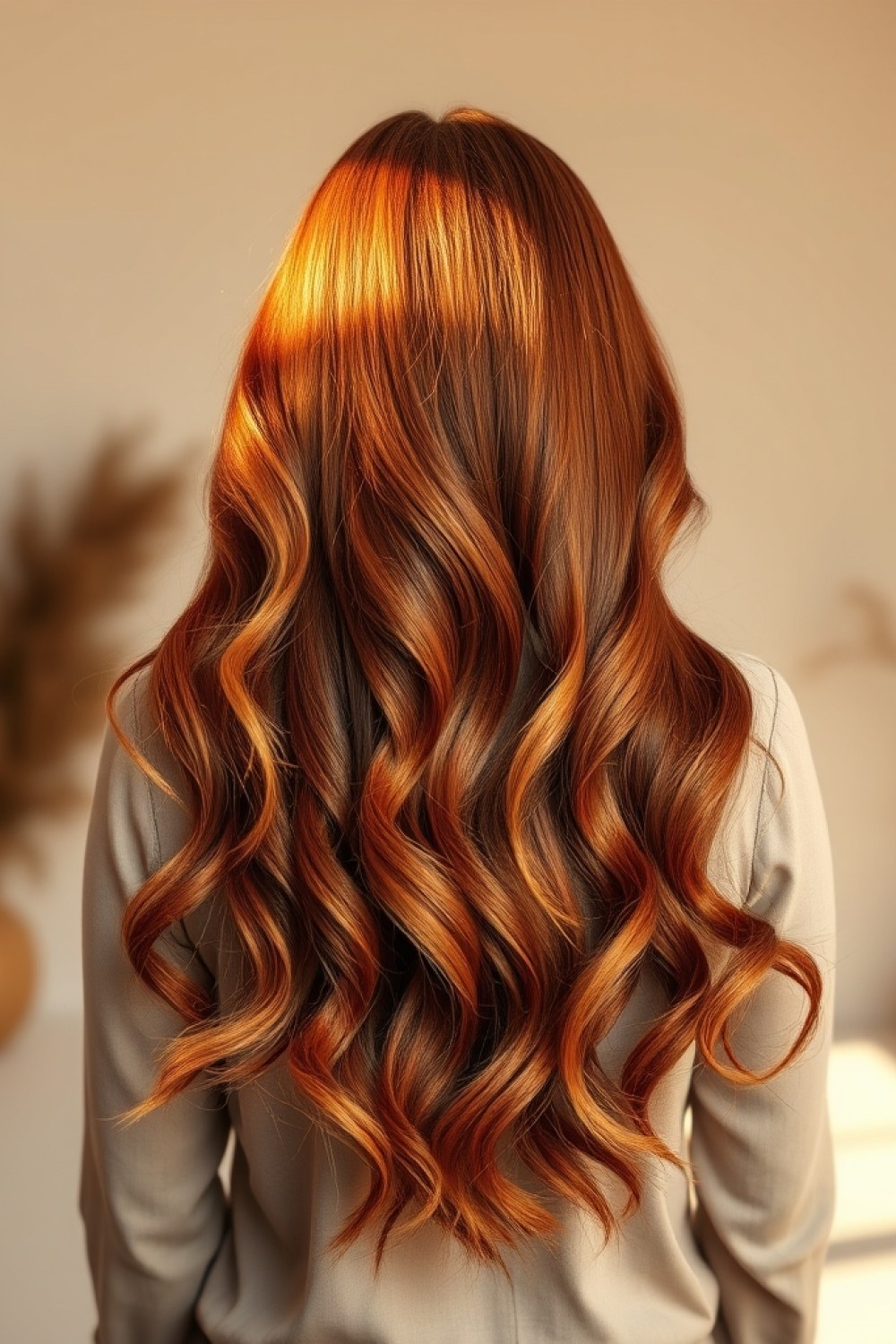
Best for: Olive, golden and deeper skin tones, or anyone with a naturally dark base who wants richness over brightness.
Burnt copper is redder and less orange than penny or copper-red, which flatters deeper complexions instead of washing them out. A shadow root in your natural dark color keeps the grow-out invisible.
Brassiness is the enemy here — the difference between burnt and rusty is one toner.
Try this: Ask for a toner with a red-violet base, and request a strand test under daylight before the full application.
11. Copper Balayage on a Lob
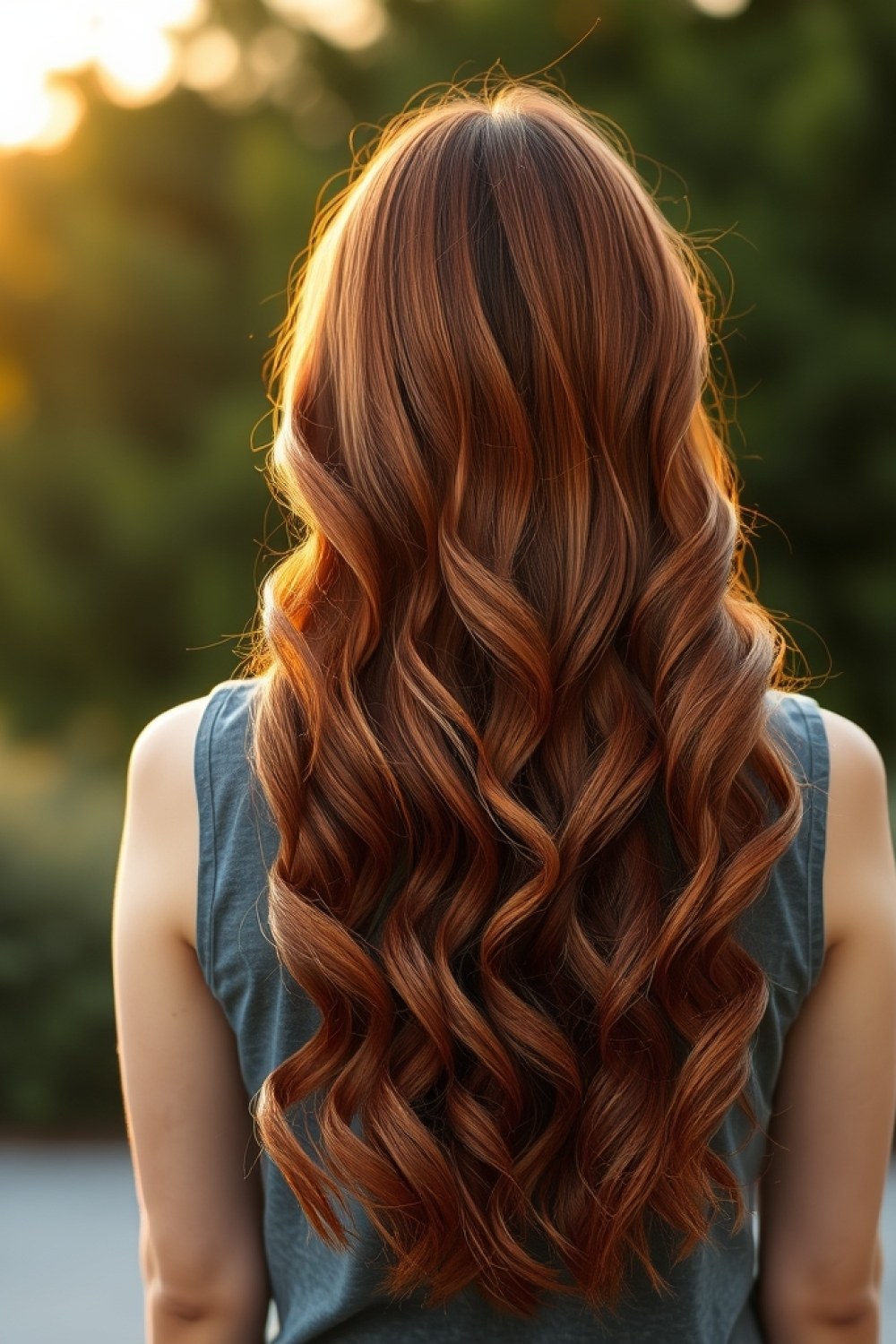
Best for: Dark or medium brown hair that wants a visible gradient without years of commitment.
The lob is the sweet spot for copper — long enough to show real dimension, short enough to grow out completely in 4-5 months. Brightness placed around the jaw and collarbone hits exactly where light lands.
It also reads shockingly different curled versus straight, which is a lot of range for one cut.
Try this: Ask for the brightest pieces at the jawline and collarbone, with 1-2 inches of depth left at the root, and keep the cut blunt at the ends so the copper line stays crisp.
12. Peekaboo Copper Underlayer
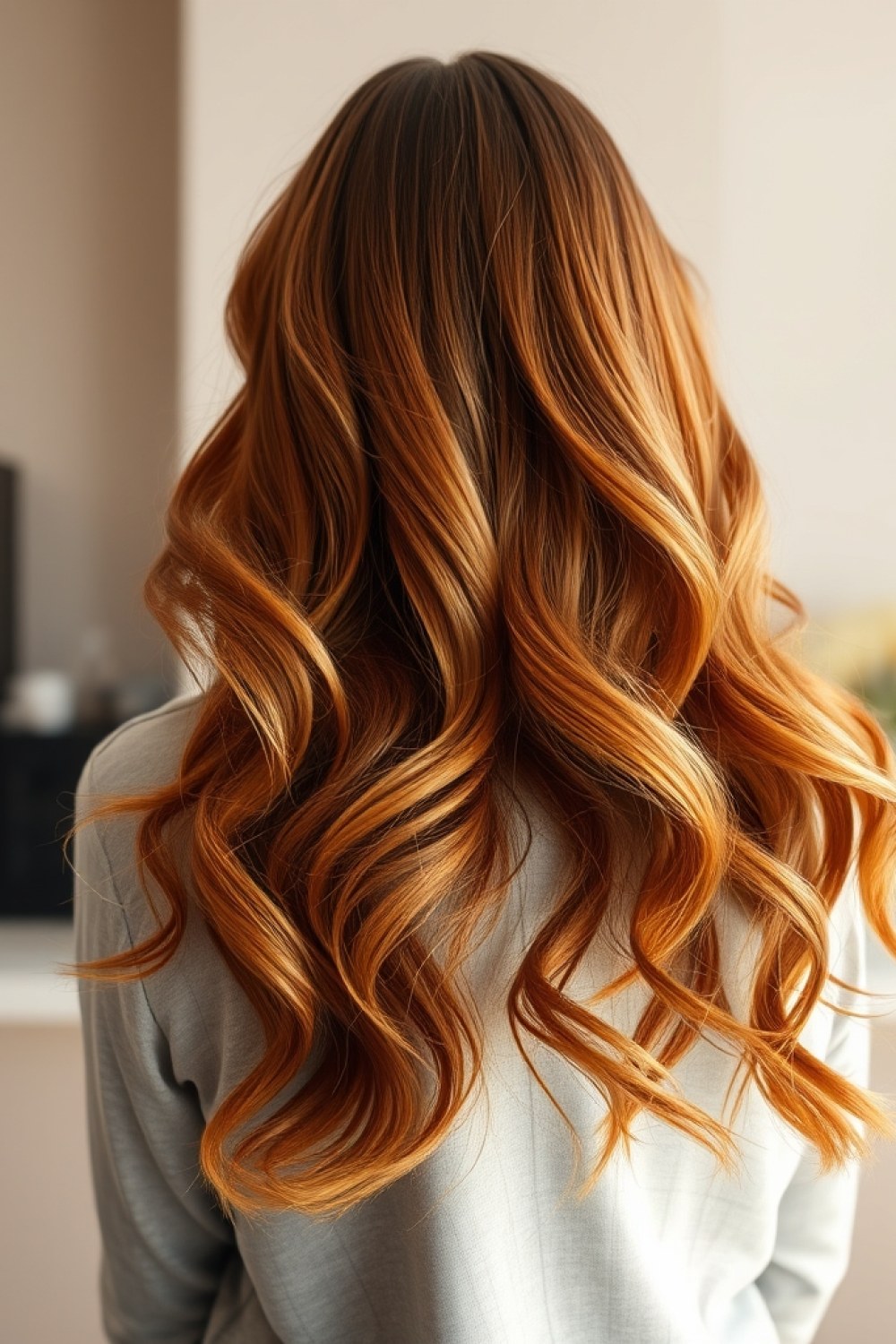
Best for: Anyone who needs a conservative look Monday to Friday and something fun on weekends.
Copper hides beneath a dark top layer at the nape and behind the ears, revealed only when hair goes up or moves. From the front it reads completely natural.
It’s the lowest-commitment placement on this list — a handful of foil packets, minimal bleach, and no visible regrowth line.
Try this: Ask for the underlayer at the nape and behind the ears, keep it two shades brighter rather than full copper, and refresh with a color-depositing mask every two weeks.
13. Copper Sombré
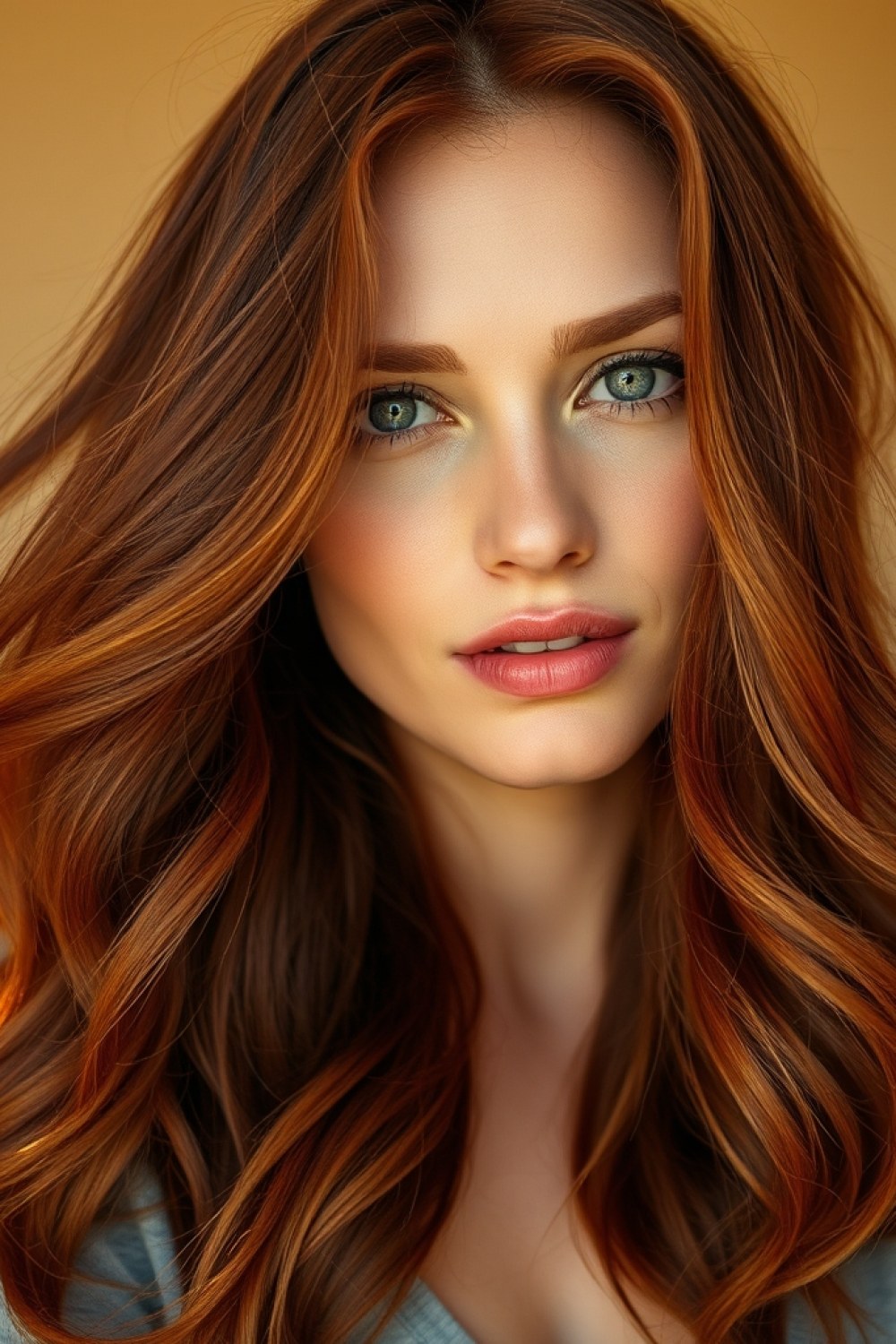
Best for: anyone who loves copper but wants it whisper-soft, especially fine or short-to-mid hair.
Sombré is ombré’s shy cousin — copper melted so gradually there’s no detectable line where the color begins. On medium brown and dark bases it reads like sunlight caught in the ends rather than a dye job.
Try this: ask for a “sombré” by name and bring a photo shot in soft, natural light. Hard studio lighting exaggerates placement and you’ll get a far more dramatic result than you wanted.
14. Vivid Tangerine Tips

Best for: risk-takers with healthy, already-lightened ends who want a real statement.
Saturated tangerine on the last few inches is the boldest copper on this list. Reaching that intensity means a higher lift and a bond-builder worked into the formula to protect the mid-lengths while the ends process.
Try this: book a refresh every 4–6 weeks and use a color-depositing mask weekly to stretch the vibrance between salon visits.
15. Copper With Chocolate Lowlights

Best for: thick or dense hair that swallows color and turns into one flat block.
Weaving a few chocolate lowlights through copper adds shadow and movement, so the color catches light instead of sitting there. It’s the single best fix for heavy hair that looks painted-on.
Try this: ask for “chocolate lowlights woven through the copper,” and request that some strands be left uncolored for natural depth. Once a year is plenty — they grow out gracefully.
16. Copper Balayage for Gray Coverage
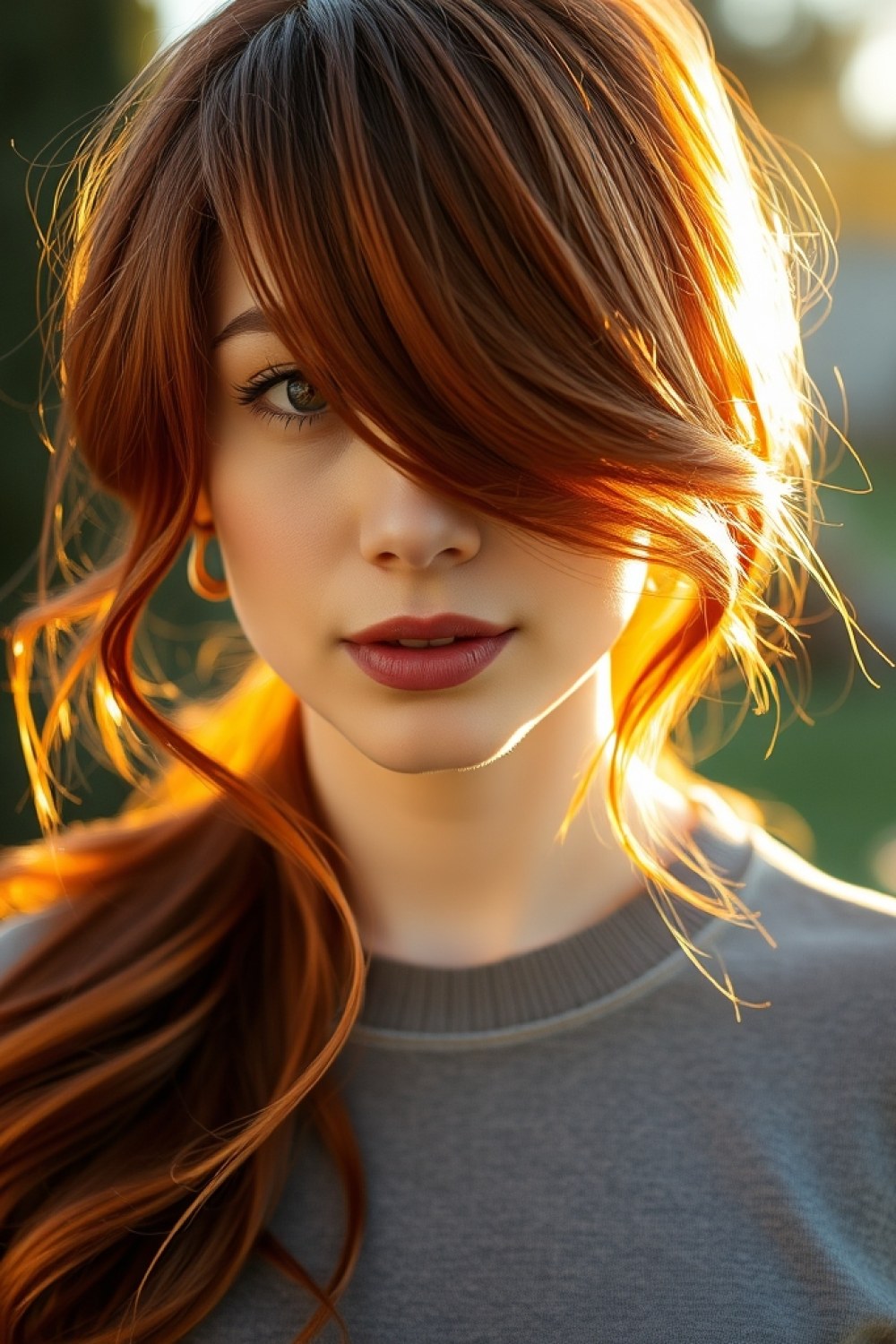
Best for: anyone with scattered gray who wants warmth and camouflage rather than solid coverage.
Copper flatters gray because it’s warm, and regrowth hides better against a soft blend. The trick is keeping lightener off the roots — gray lifts faster than pigmented hair and can go brassy or fragile at the scalp.
Try this: ask for a demi-permanent base to blend grays at the root with balayage painted through the ends. Demi fades gradually, so no harsh line.
17. Glazed Copper Blowout
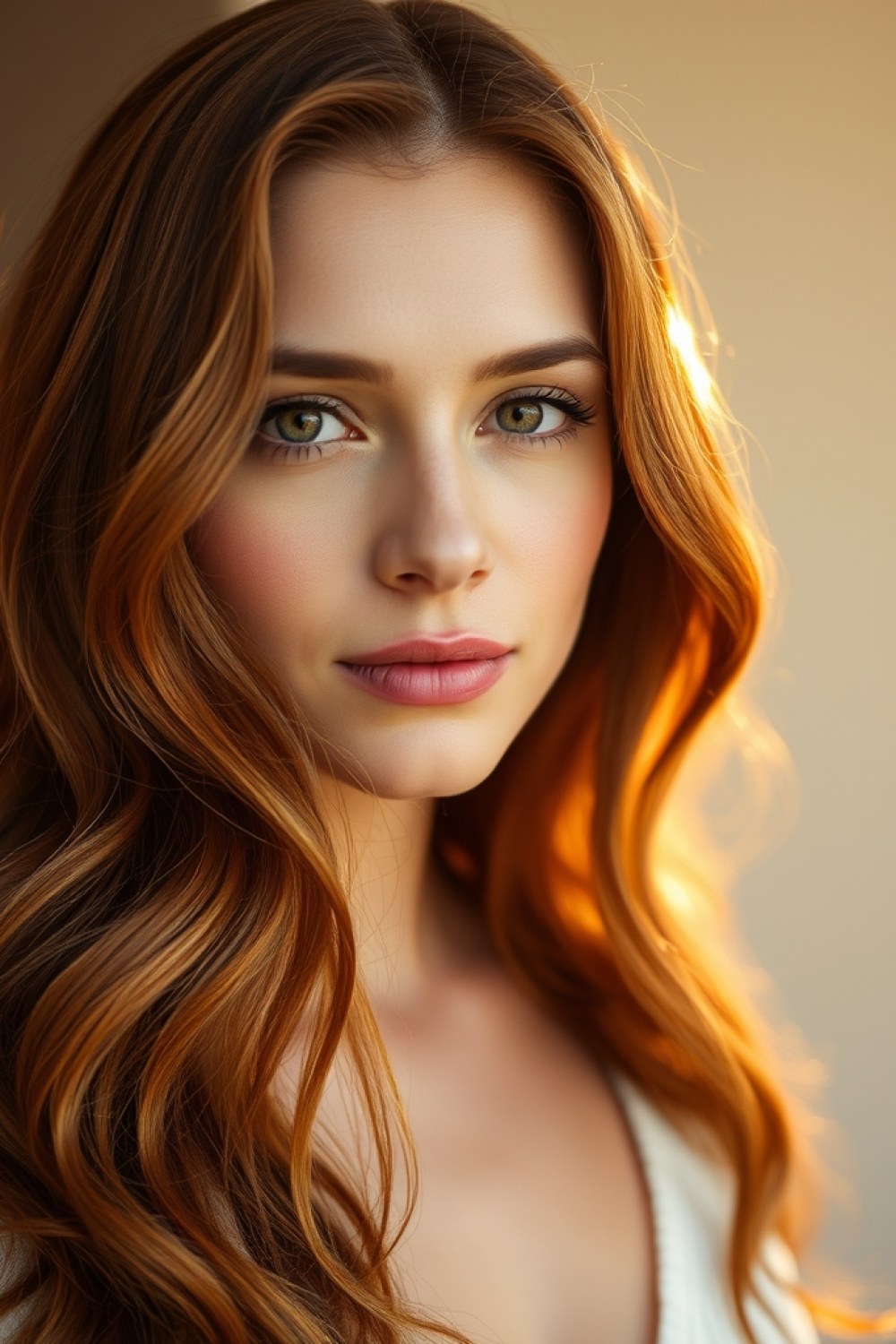
Best for: reviving faded copper between full appointments, or finishing any of the looks above.
This one’s a technique, not a color. A copper gloss over existing highlights refreshes tone in about 20 minutes in the salon bowl, then a smooth blowout with shine serum seals the glassy finish.
Try this: diffuse a little dry shampoo at the roots before you leave the chair — it keeps shine reading on the lengths instead of the scalp.
Copper Balayage Mistakes That Cost You Glow
Most copper disappointments aren’t about the color — they’re about prep, placement, and what happens in the first two weeks. Sidestep these and you’re ahead of 90% of salon clients.
- Choosing the copper before the base color. Your natural depth decides what copper can actually look like on you. A bright penny ribbon on black hair will read as rust; the same ribbon on medium brown reads as true copper. Match base first, then tone.
- Skipping the strand test. Copper is the least forgiving color family for surprises — it grabs unevenly on previously colored or heat-damaged sections. A strand test takes ten minutes and saves a corrective appointment.
- Washing with hot water and sulfate shampoo. Red molecules are the first to leave the cuticle, and hot water opens it wide. Two weeks of hot washes can strip a fresh gloss back by a full shade.
- Assuming the salon tone is the final tone. Copper always looks brighter and more orange in the first 48 hours, then settles. Don’t panic-panic your stylist into “fixing” it on day one — wait a week and reassess in natural light.
- Booking balayage without a consultation first. If your stylist hasn’t seen your hair in person, in daylight, they can’t quote you time or predict lift. Always book the consult as a separate visit if it’s your first copper.
Frequently Asked Questions
Does red copper balayage suit cool skin tones?
Yes, but pick your copper carefully. Cool or pink undertones usually look best in rose copper, copper with a hint of red-violet, or burnt copper rather than bright penny-orange. Ask your stylist for a toner with a violet base to soften the warmth if you’re nervous — a violet-based gloss takes the edge off the orange without dulling the richness.
How often do I need to get copper balayage redone?
Plan on a salon gloss every 6–8 weeks and a full balayage refresh every 3–4 months. Copper fades faster than blonde or brown because the red molecules are larger and wash out first. A color-depositing mask once a week in between makes a real difference — try one in a copper or auburn shade and leave it on for 15–20 minutes.
Will copper balayage work on black hair?
It can, but black hair needs to be lifted before copper will show, so expect a warm rust or deep auburn rather than a bright orange. Book a consultation with a strand test, and be prepared for two sessions spaced several weeks apart to protect the integrity of your hair. Going slow keeps the curl pattern intact and the ends from snapping off.
Can I get copper balayage if my hair is damaged or fine?
Fine hair can absolutely wear copper — just keep the painted section below the jaw so the ends don’t look thin, and ask for a gentle lift with a lower-volume developer. If your hair is already damaged, ask for a bond-builder in the lightener and consider starting with face-framing ribbons only instead of a full balayage. You can always add more next visit; you can’t add back broken ends.
Choosing Your Copper Before You Sit in the Chair
Match the copper to your base color first, then to your skin tone, then to how much upkeep you’ll actually tolerate: ribbons and peekaboo pieces if you want low commitment, a full molten melt if you’re ready for regular glosses.
Save two or three photos that show the placement clearly in daylight, and tell your stylist which one is closest — that single step prevents more color disappointments than any other. Bring a color-depositing mask and a sulfate-free shampoo to your first wash day after the appointment, and your copper will glow well past the salon door.