
20 Bob Hairstyles for Fine Hair That Keep Their Shape

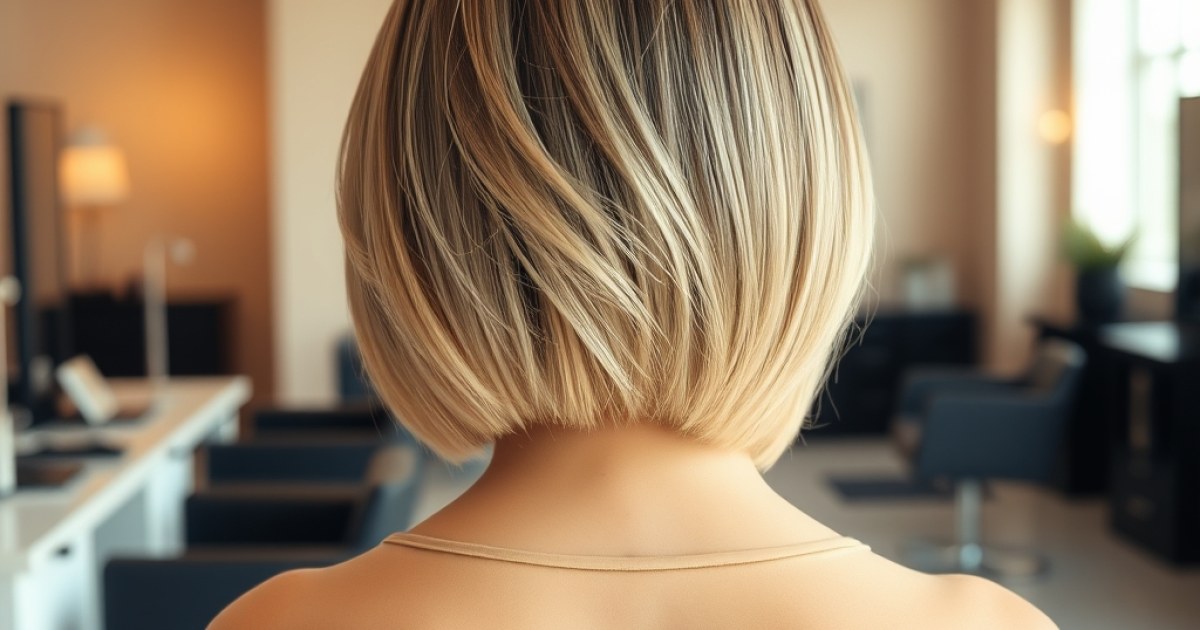
Ever cut a bob that looked amazing in the salon, then fell flat by lunch? The problem is usually the cut, not your hair. Fine hair collapses when a bob is all one length with no internal structure to prop it up.
The 20 bobs below all solve that. Each one uses layering, blunt lines, texture, or a length that works with your density instead of against it. You’ll also get the styling steps and products that make fine hair hold shape past noon.
Some are wash-and-wear. Others need five minutes with a round brush. All of them beat the flat, stringy bob you’re stuck with now — and none require thick hair to pull off.
How to Pick the Right Bob for Your Fine Hair
Match the cut to your density, growth pattern, and how much time you’ll actually spend styling.
- Fine but dense: You can carry a blunt collarbone bob. Fine and sparse: go chin-length or shorter with layers for lift.
- Straight hair holds blunt lines best. Wavy or curly fine hair needs a dry cut with soft layers so it doesn’t shrink into a triangle.
- Low-effort mornings: choose a textured or graduated bob. Willing to round-brush daily: a classic French bob with a slight undercut of weight.
- Cowlicks and a strong part fight blunt bobs. A side-swept or asymmetrical cut works with them instead.
1. Blunt Collarbone Bob with Invisible Layers
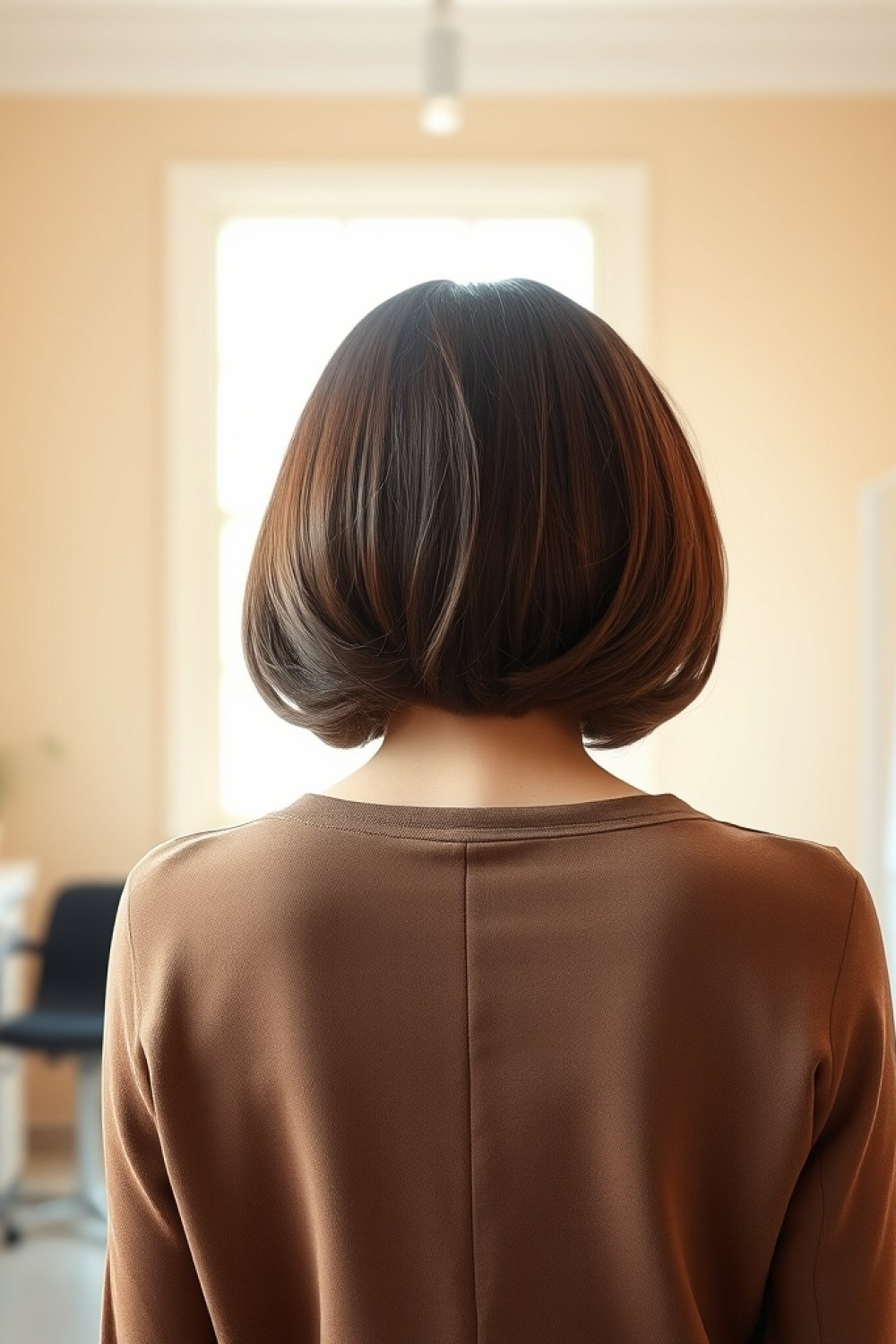
A blunt cut creates a strong, solid perimeter, which makes fine hair look thicker because there are no wispy ends to thin out the line. The trick is asking for invisible layers — subtle, hidden layers at the crown that add lift without cutting into the density of the length.
This works because the blunt edge reads as one dense mass while the hidden layers stop the style from falling flat on top. It suits straight to slightly wavy fine hair that struggles to hold a curl. The cut grows out cleanly, too, so you get more weeks between trims.
Style it with a round brush, pulling the ends taut for a crisp finish, then set with a light-hold hairspray. Keep heavy products away from the roots — they weigh fine hair down and undo the lift.
2. Graduated Bob with Stacked Nape for Fine Hair

Stacking at the back builds volume exactly where fine hair goes flat first: the nape and crown. The graduated lengths create a rounded, fuller silhouette that holds its shape through the day instead of collapsing by lunchtime.
The cut works best on straight to slightly wavy hair, since the stacking relies on a smooth surface to show off the curve. Curly fine hair can wear it too, but expect the shape to shrink up shorter than the guide length.
Blow-dry with a small round brush, lifting at the roots and over-directing the back sections upward. Finish with a texture spray at the crown to lock in the height. Book a trim every six to eight weeks — stacking loses its lift fast once it grows out.
3. A-Line Bob with Soft Undercut for Added Lift

An A-line bob angles longer in front, which elongates the face and adds visible weight along the sides. A discreet undercut at the nape takes away bulk from underneath, so the top layers can sit fuller without the whole cut turning into a triangle.
The combination works because the undercut removes hair you don’t see, not hair you do. It suits fine hair that has some density at the back but lacks movement. Keep the undercut soft and blended, not shaved — a harsh line will show through as it grows.
Style with a flat iron for a sleek, sharp finish, or wrap a curling wand around mid-lengths for gentle bend. Always dry the undercut section first so it doesn’t kink beneath the top layers.
4. Textured Lob with Choppy Ends for Movement

Choppy, point-cut ends break up the bottom line so fine hair doesn’t clump into stringy sections. The uneven lengths catch light differently, which reads as thickness even when the hair itself is sparse.
This style suits both wavy and straight fine hair, though waves get the most out of it. The point-cutting is what makes it work — ask for slices taken vertically into the ends rather than a blunt trim, so the perimeter stays soft and mobile.
Spray sea salt spray into damp hair, scrunch from the ends upward, and let it air-dry. Don’t brush it out afterward or you’ll flatten the texture — just shake your fingers through the roots.
5. Curtain Bangs with a Classic Bob for Face Framing

Curtain bangs draw attention to the eyes and build volume at the front of the head without covering the forehead. They sweep outward and blend straight into a chin-length bob, so there’s no awkward grow-out line between fringe and length.
The key is keeping the bangs long enough to sit past the brow and short enough to hold their swoop. Fine hair does well here because the shape relies on direction, not density. Ask for a soft, point-cut fringe with a slightly shorter center.
Blow-dry the bangs away from your face with a round brush, rolling the brush outward at the ends. A light mist of flexible-hold spray keeps the sweep in place without stiffness.
6. Asymmetrical Bob with Deep Side Part for Fine Hair
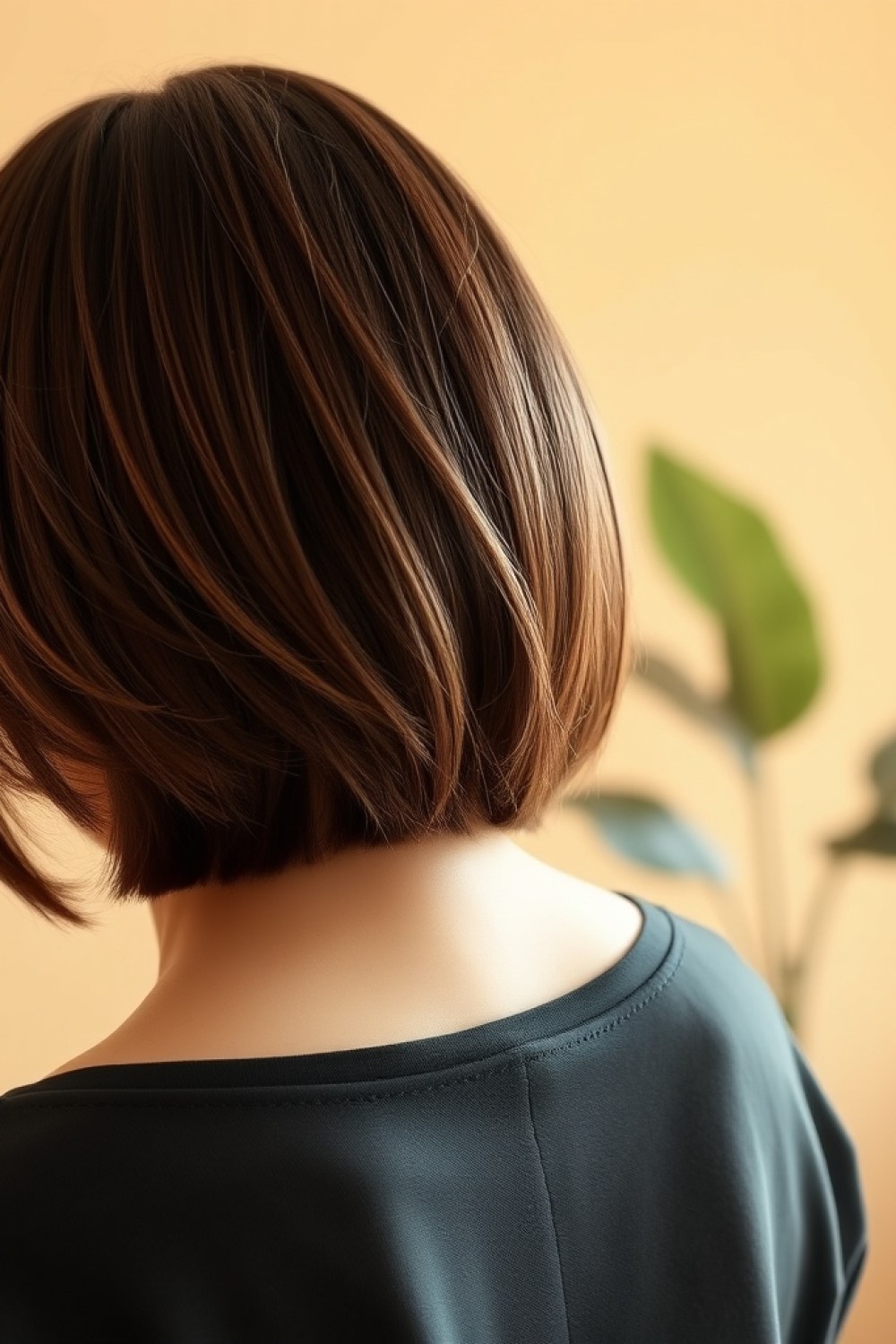
A deep side part instantly makes hair look thicker because it exposes more scalp on one side and pushes a denser sweep of hair over to the other. Paired with an asymmetrical cut, it gives fine hair a modern edge and hides thin spots near the part line.
The asymmetry adds visual weight on the longer side, which balances a fine, flat crown. It suits most face shapes, though round faces get the most benefit from the diagonal line. Keep the difference between sides moderate — an inch or two is plenty.
Spray root-lifting spray along the part before blow-drying, then blast the roots with a round brush in the opposite direction to your part. Flip back into place and you’ll get height that lasts.
7. Wavy Bob with Diffused Texture for Natural Hold
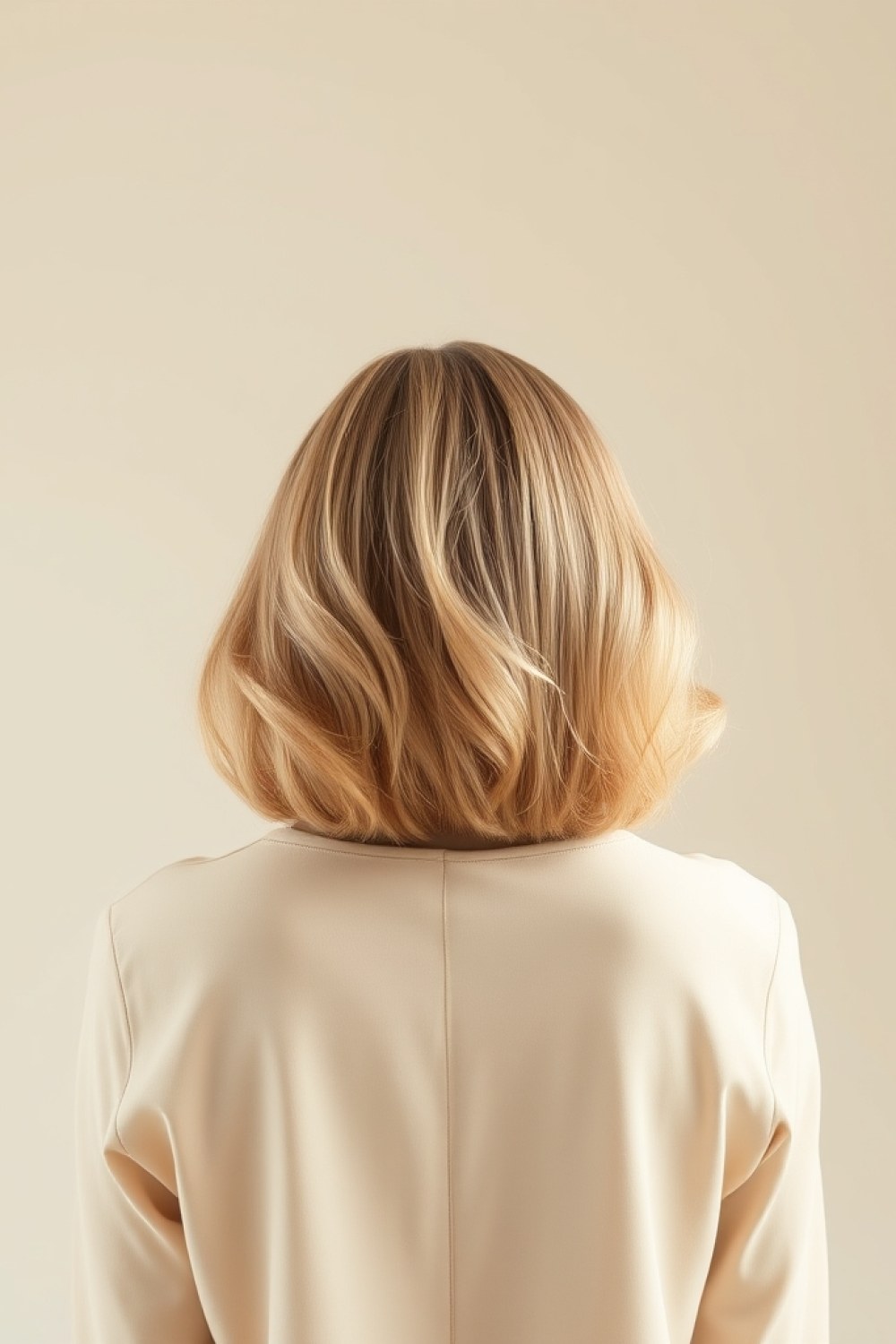
If your hair already has a wave pattern, work with it. A wavy bob is cut to enhance that natural texture rather than fight it, which means the shape holds far longer than a style you have to force straight every morning. Ask for a dry cut so your stylist can see how your waves actually fall.
This cut needs the right length-to-weight ratio so curls can spring up. A curl-enhancing cream applied to damp hair, then diffusing to 80% dry and letting the rest air-dry, gives you hold without crunch. It suits anyone with natural wave who is tired of flat-ironing.
Tip: diffuse on low speed and high heat, and don’t touch the curls until they’re fully cool — that’s when the shape sets.
8. Micro Bob with Soft Rounded Edges for Maximum Volume
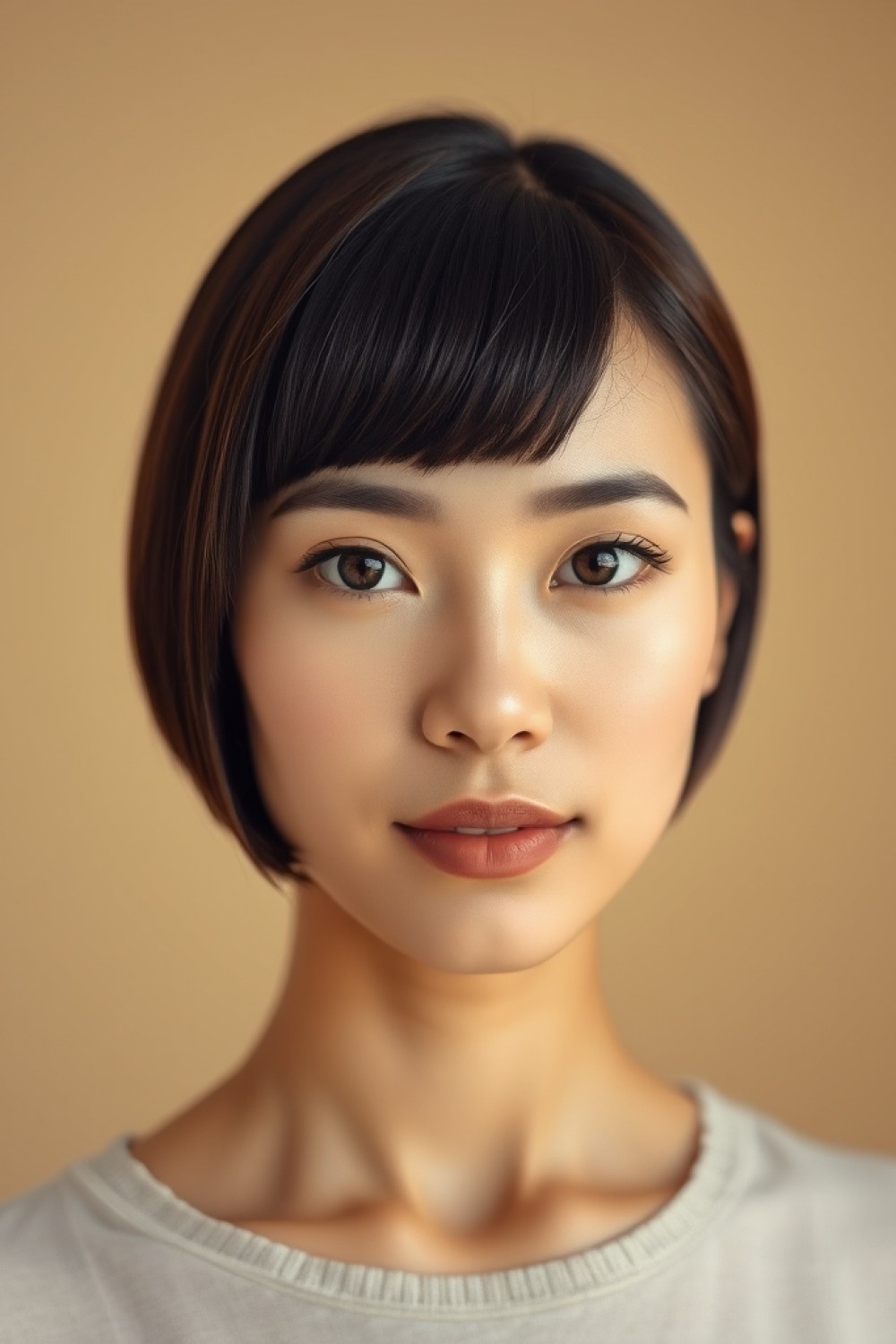
A micro bob sits above the jaw and removes enough weight that fine hair can genuinely spring up at the root. That lightness is what creates volume — not product. Soft rounded edges keep it from reading harsh or helmet-like on delicate hair.
Use a small amount of volumizing mousse on the roots, then blow-dry upside down to lift the crown. Because the cut is short, it holds that lift for hours without collapsing. It suits finer textures and oval or heart-shaped faces especially well.
Tip: keep the mousse to a golf-ball size — more product weighs fine hair down and undoes the volume you just built.
9. Layered Bob with Face-Framing Pieces for Round Faces

Layers that start around the cheekbone add width and volume exactly where fine, round faces want it — at the sides, not the crown. That strategic placement slims the face while boosting overall fullness.
The face-framing pieces are the whole point: they break up the roundness and draw the eye up and inward. This cut works for fine hair that needs movement, and for anyone who wants a bob that flatters without going too short.
Tip: blow-dry with a round brush and roll the brush outward at the ends — the flip adds width at the jawline that balances a round face.
10. French Bob with Fringe for Effortless Chic
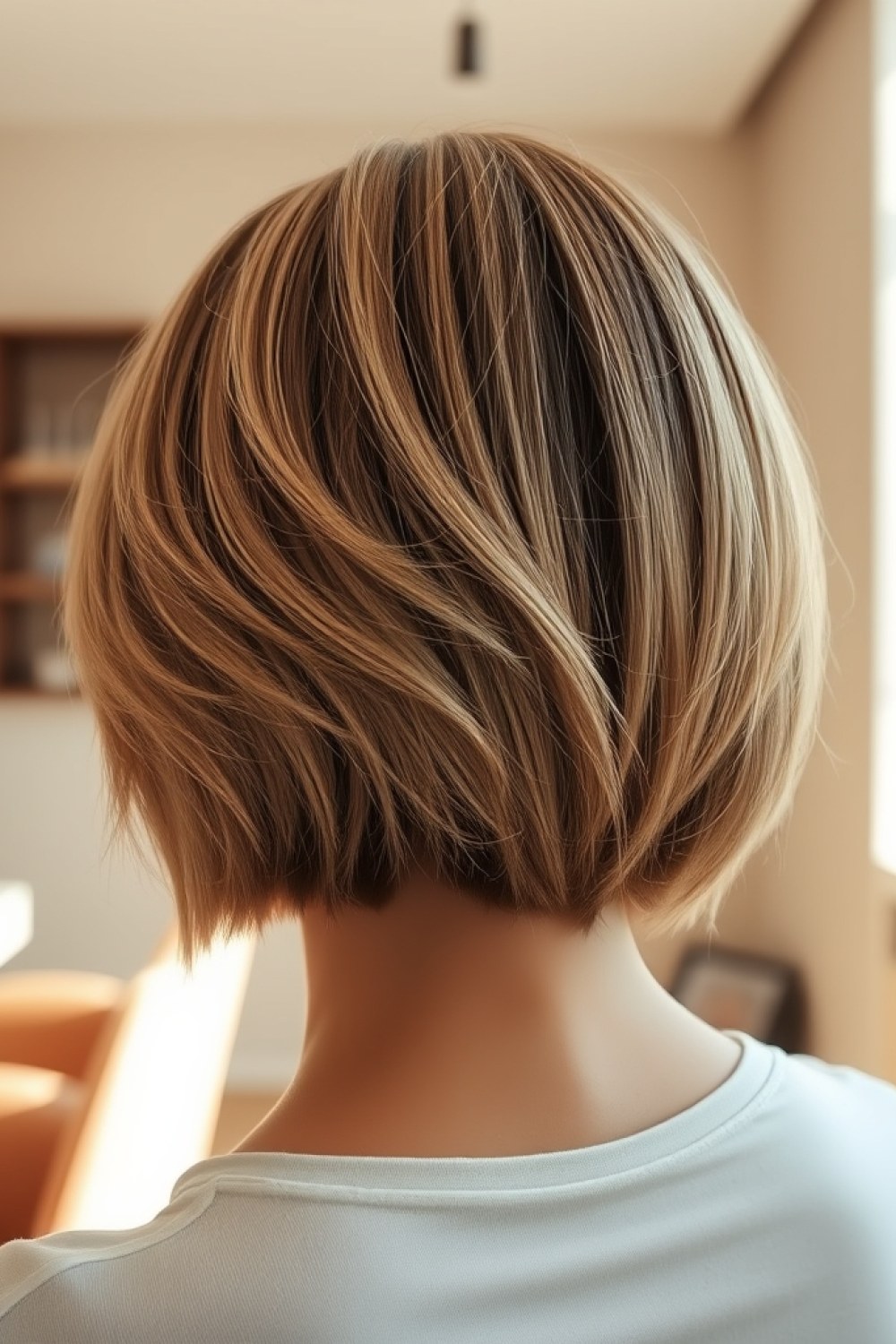
The French bob is chin-length with a slightly messy fringe, and it’s built to look undone on purpose. For fine hair, that’s a gift — imperfect styling reads as intentional rather than flat. It’s a lower-maintenance cut than a sleek blunt bob.
A texturizing spray creates piecey separation through the fringe and ends, giving the illusion of more density. Because the finish is meant to be a little tousled, it holds its shape even on humid days when a polished bob would wilt.
Tip: spray texturizer at the roots and mid-lengths, scrunch once, and leave it — overworking it will flatten the piecey look you just made.
11. Inverted Bob with Hidden Volume for Straight Hair

An inverted bob is shorter in the back and longer toward the front, creating a stacked effect that makes fine, straight hair look noticeably denser. The hidden volume comes from internal layers stacked at the back — you don’t see them, but you feel the lift.
This is the go-to for straight, limp hair that won’t hold a curl. The angle does the work, so you’re not relying on product to fake body. It flatters most face shapes and grows out cleanly between appointments.
Tip: blow-dry with a paddle brush, directing hair forward as you go — this smooths the surface while keeping the stacked volume at the back intact.
12. Blunt Bob with Babylights for Dimension

Babylights are fine, hand-painted highlights that add subtle dimension without the damage heavier coloring causes. On fine hair, that dimension matters — light reflecting off varied tones makes the hair read thicker than it is. Keep the cut itself blunt for strength and a clean, full hemline.
The contrast between a solid blunt line and soft babylights is what makes this work: the cut provides weight and shape, the color provides depth. It suits fine hair that’s starting to look flat and one-dimensional, especially darker shades that absorb light.
Tip: finish with a drop of shine serum pressed through the ends to amplify the color’s light reflection — skip the roots, where it flattens.
13. Shoulder-Grazing Bob with Soft Waves for Fine Hair

This cut hits right at or just above the shoulders — long enough to pull into a low ponytail, short enough that the weight doesn’t drag fine hair flat. It keeps its shape because the length gives you styling options without sacrificing root lift.
Soft waves do two jobs: they add visual thickness and give the style something to hold onto, so it doesn’t collapse by lunchtime. Wrap 1-inch sections around a 1-inch curling iron, alternating the direction of each wrap so the waves look natural rather than uniform. Let each curl cool completely before touching it.
Finish by brushing through with a wide-tooth comb — never a paddle brush, which will pull the wave out. This suits fine hair that holds a bend reasonably well. If your waves fall fast, mist each section with a light-hold spray before wrapping.
14. Pixie Bob with Choppy Layers for Fine Hair
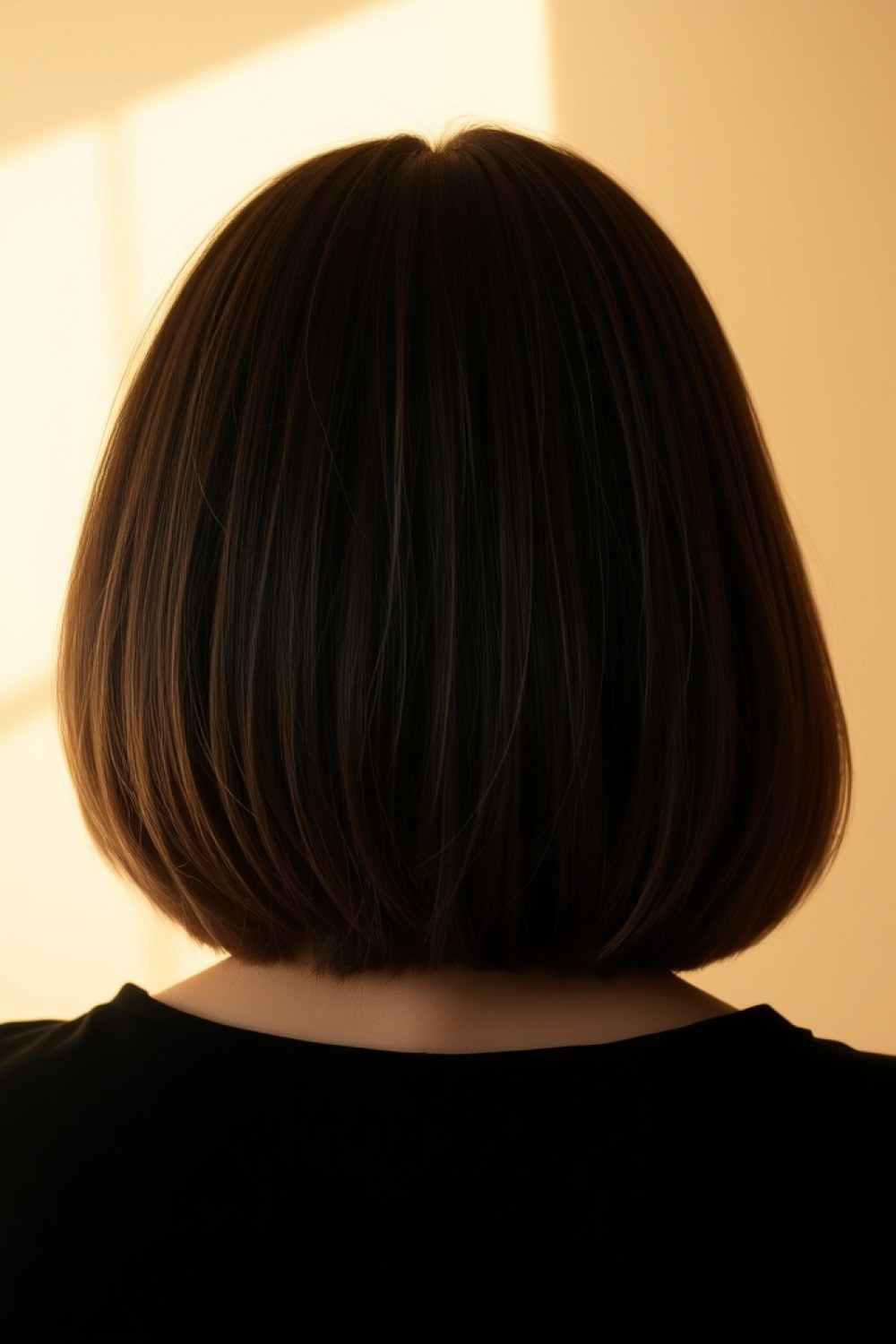
The pixie bob sits between the two — short at the nape and sides like a pixie, but with the rounded silhouette of a bob through the top and fringe. Cutting it close removes bulk weight, which is exactly what lets fine hair spring up at the roots instead of lying flat.
Choppy layers are what stop it from looking severe. Ask your stylist for point-cut layers through the crown and top, not blunt slices — blunt lines on fine hair read as thin. The choppiness creates broken texture, so light catches the hair at different angles and the density looks greater than it is.
To style, warm a pea-sized amount of pomade between your fingers and rake it through the top layers, pinching the ends for definition. This suits anyone with a good jawline and fine, straight-to-slightly-wavy hair. Skip heavy creams — they’ll weigh a pixie bob down within an hour.
15. Lob with Invisible Layers for Thickening Effect
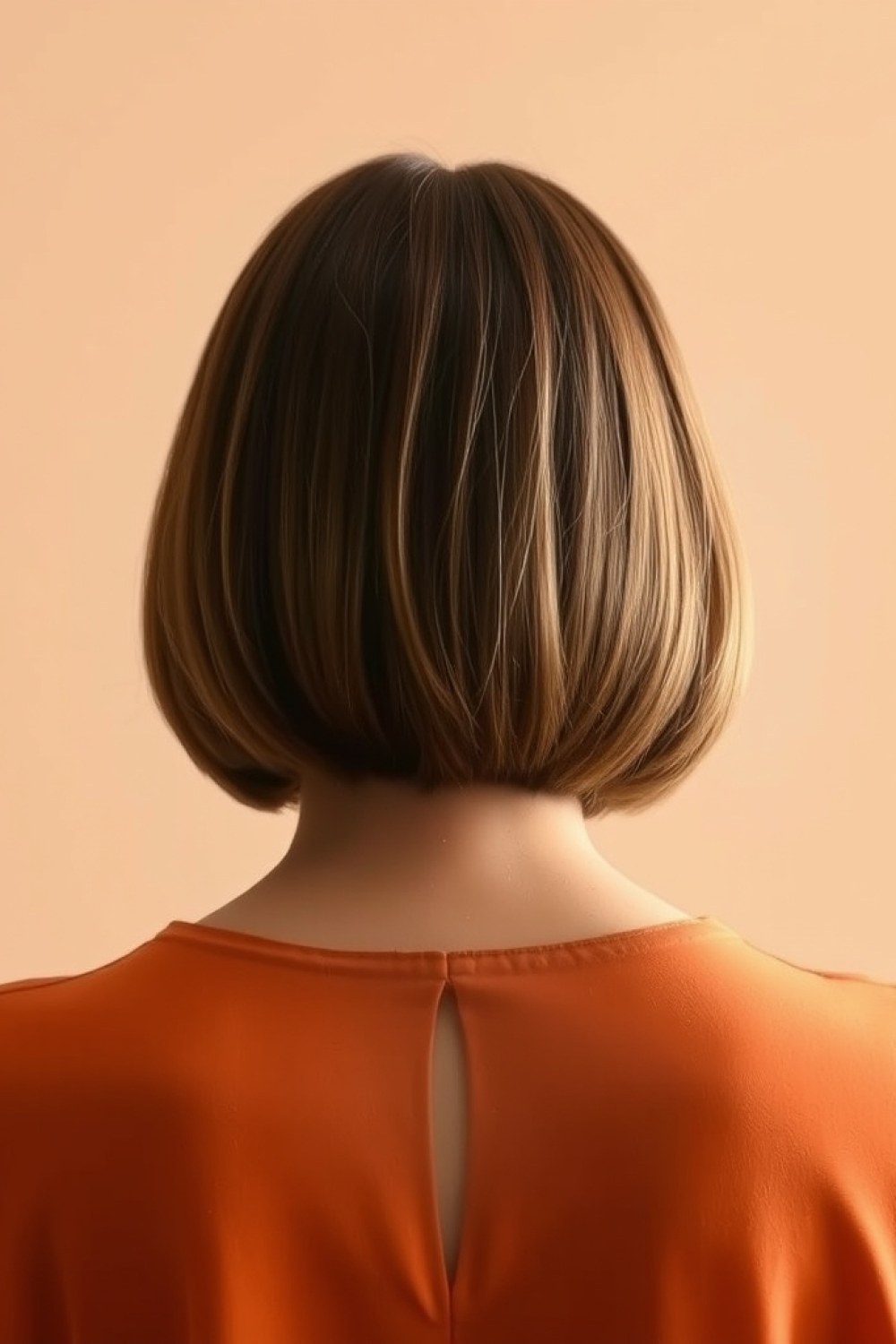
Invisible layers are cut so the ends still read as one clean length — you don’t see obvious steps or graduation. What you get instead is weight removed from the interior, which lets the hair move and lift rather than hanging in a solid sheet.
This is the trick for fine-to-medium hair that looks flat but isn’t truly thin. The surface layer stays long and blunt for that thick, healthy edge, while the layers underneath create air and bounce. Ask specifically for interior layering with a blunt perimeter — if your stylist cuts visible layers, you lose the thickening effect.
Blow-dry with a round brush, over-directing each section up and away from the crown before rolling it back down. That lift is what the invisible layers are there to support. Medium-density fine hair gets the most out of this cut; very sparse hair may want fewer layers.
16. Chin-Length Bob with Rolled Ends for Retro Volume

A blunt or lightly textured chin-length bob with the ends rolled under gives you a rounded, polished shape with real volume at the sides. The bend at the ends acts like a shelf — it holds the silhouette and stops the cut from looking limp.
The roll is everything here. With a round brush, pull each section taut and roll the brush under as you dry, aiming the nozzle down the hair shaft to smooth the cuticle. Work in 2-inch sections so the bend sets properly. Cool air for ten seconds on each rolled section locks it in.
Finish with a medium-hold hairspray, spraying from about 10 inches away and lightly misting the underside of the ends. This style suits straight fine hair best — if you have waves, you’ll need to smooth them first. Don’t skip the cool-shot step, or the roll will drop within the hour.
17. Angled Bob with Stacked Back for Fine Hair
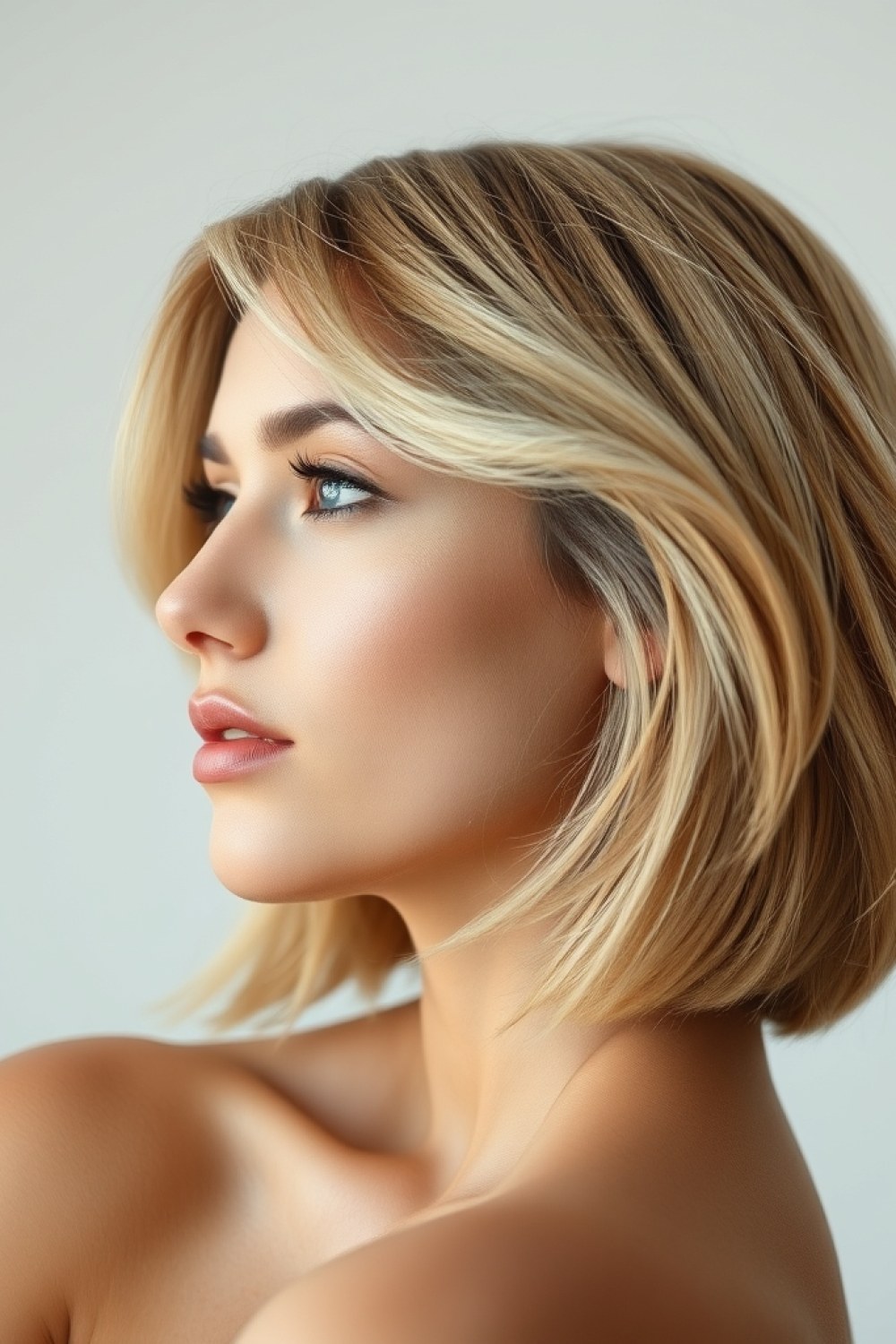
This cut runs shorter at the nape and longer toward the front, with stacked layers at the back building a wedge shape. That stacking is where the volume comes from — the hair physically piles up at the back of the head, so fine strands look fuller and the shape stays put.
It’s one of the best structures for fine hair that struggles to hold lift, because the cut does half the styling work for you. The angle also frames the face and jaw, and the back stays clean and close so there’s no flat, heavy panel to fight. Ask for stacked layers at the nape and a sharp diagonal toward the chin or collarbone.
Blow-dry with a vent brush, focusing on the nape — small circular motions at the roots push that stacked volume up. A vent brush lets air through so fine hair dries faster and lifts more. Best for straight to gently wavy fine hair with a decent amount of density at the back.
18. Wavy Shag Bob with Choppy Layers for Fine Hair
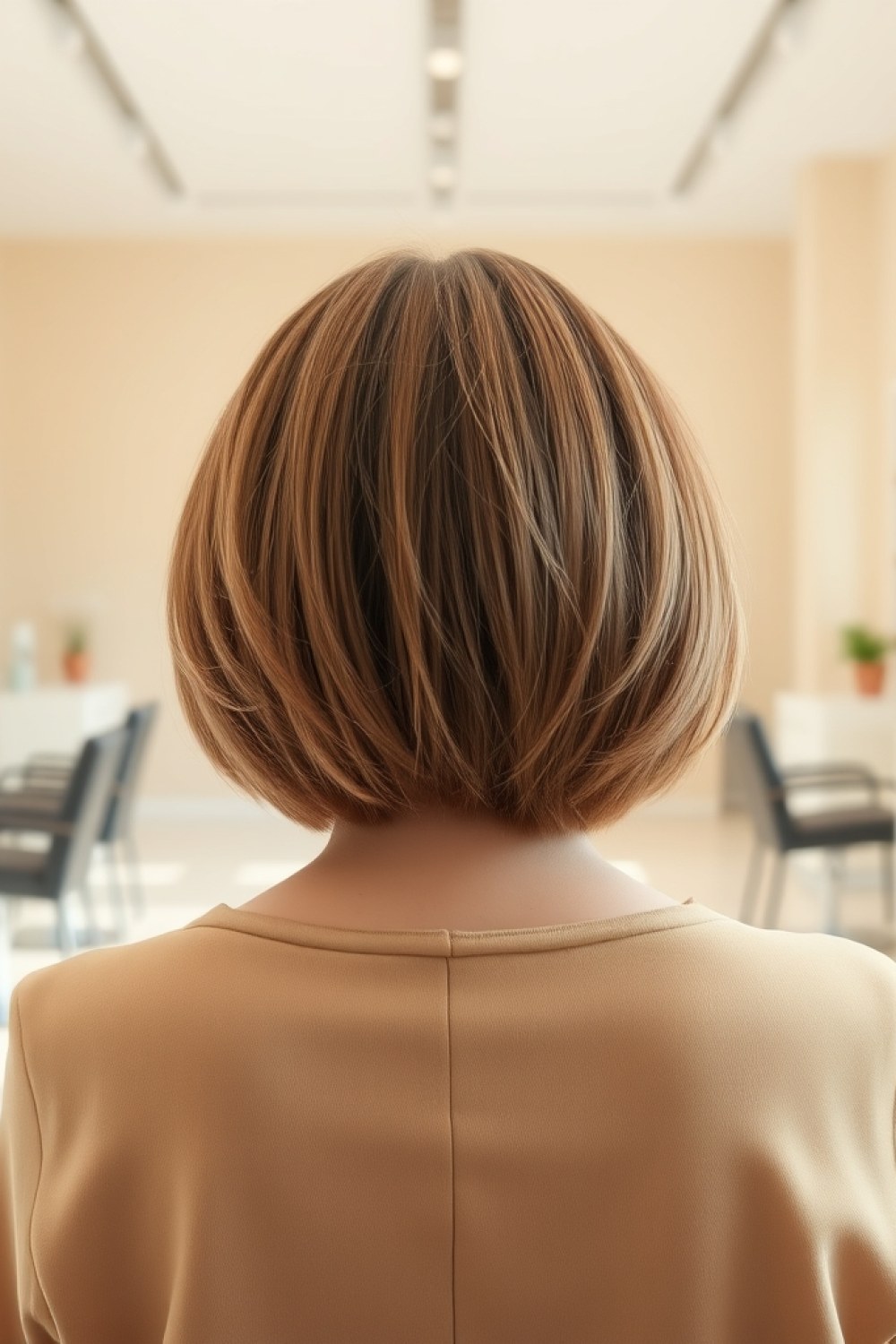
The shag bob takes the bob shape and adds razored, choppy layers throughout, plus a slightly shorter crown. Those broken layers give fine hair rough texture, and texture reads as thickness — every strand sits at a slightly different length, so the whole thing looks fuller.
It works on both wavy and straight fine hair, which is unusual. Wavy hair gets its natural pattern enhanced by the layers; straight hair gets movement from the choppiness alone. Ask for point-cut or razor-cut layers with a soft, textured fringe. Keep the perimeter slightly uneven for a lived-in finish.
Spray a salt or texture spray into damp hair, scrunch upward with your hands, and either air-dry or use a diffuser on low. Don’t brush it out — brushing kills the texture that’s making it look thick. If your hair is straight, twist small sections while drying to fake the wave.
19. Blunt Bob with Middle Part for Sleek Volume

A middle part usually flattens fine hair, but a blunt cut changes the math. Because every strand ends at the same length, the perimeter reads as one thick, solid line — no tapered ends thinning out the shape.
The trick is root volume, not body. Spritz a root-lifting spray along the part line, then blow-dry upward with your head flipped for the first minute. Flip back, place the part, and smooth the surface down.
Finish with two drops of lightweight oil through the ends for shine. Skip heavy serums — they collapse the lift. Style your part last, once the roots are dry and standing up.
20. Layered Bob with Side-Swept Bangs for Fine Hair

Side-swept bangs build a pocket of volume right where fine hair needs it most: the front hairline. Cut to sweep across the forehead, they add visual weight at the face without round-brush gymnastics every morning.
The bangs should blend into the layers, not sit on top of them — ask your stylist to connect the fringe to the face-framing pieces so the shape stays cohesive. It flatters round, oval, square and heart faces because the diagonal line lengthens.
To style, wrap bangs around a small round brush and pull them to one side, blasting with warm air, then cool. Work on 90% dry hair and finish with a light mist of flexible hold spray so they stay put.
Frequently Asked Questions
What is the best bob haircut for fine hair that won’t go flat?
A blunt bob with invisible layers or a graduated bob with a stacked back. Both create structure and remove weight where it drags hair down. Skip heavily layered cuts — they thin out the ends and make fine hair look stringy.
How can I style my fine bob to keep its shape all day?
Start with volumizing mousse or root-lifting spray on damp hair. Blow-dry with a round brush, lifting at the roots. Finish with light-hold hairspray. Heavy products weigh fine hair down by noon.
Should I get bangs with a bob if I have fine hair?
Yes — bangs add volume at the front and frame your face. Curtain bangs or side-swept bangs work best because they blend into the cut and don’t need thick density. Avoid blunt, heavy bangs; they can look sparse on fine hair.
What length bob is best for fine hair?
Chin-length to collarbone. Shorter than chin limits how you can tie it up; longer than collarbone weighs hair down. A lob (long bob) sits right at the collarbone and gives you the most styling options.
How often should I trim my fine bob to maintain its shape?
Every 6 to 8 weeks. Fine hair shows split ends and loses shape faster, so regular trims keep the cut crisp and full. If you’re growing it out, ask for a dusting to hold the shape without losing length.
Can I wear a bob if my hair is very fine and straight?
Absolutely. Choose a blunt or graduated bob with a stacked back for volume. Style with a round brush and volumizing products for lift. Avoid over-layering — it makes fine, straight hair look stringy.